Call Us -
Cart
0
A low glucose alert, an empty lancet device, or a missing pen needle can turn an ordinary day into a stressful one. Keeping the right diabetes supplies on hand helps make daily care more predictable, whether you are managing your own condition, supporting a family member, or stocking a clinical practice.
The goal is not to buy every product available. It is to build a supply routine that matches the treatment plan, daily schedule, and level of support a person needs. Some people rely primarily on a glucose meter and test strips. Others use a continuous glucose monitor, insulin pens, or an insulin pump. The best supply list is the one that supports consistent care without creating unnecessary cost or clutter.
Start With the Diabetes Supplies Used Every Day
Daily-use items should be the first priority because they are the products most likely to interrupt care when they run out. Review what is used in a typical week, then keep an appropriate reserve based on delivery timing, insurance rules, and storage space.
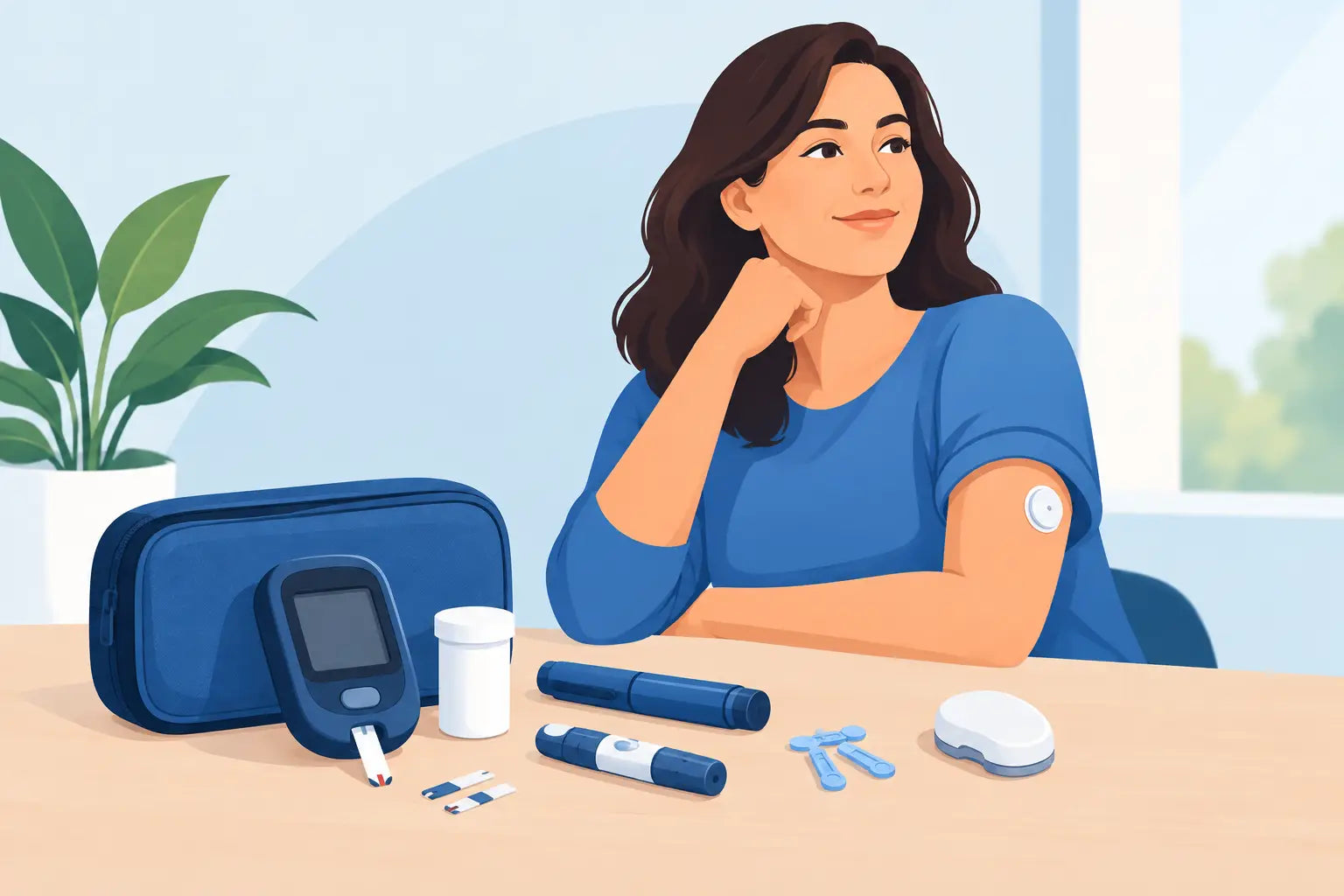
For blood glucose monitoring with a traditional meter, the core items are a compatible glucose meter, test strips, lancets, and a lancing device. Test strips are not interchangeable between meter brands. Before ordering, confirm the exact meter model and check the strip expiration date when supplies arrive. Store strips in their original container and keep the lid closed to protect them from moisture.
For people who use insulin pens, pen needles are a routine need. Needle length and gauge can affect comfort and may be selected with guidance from a healthcare professional. Pen needles are intended for single use. Reusing them can dull the tip, affect insulin delivery, and make injections less comfortable.
Syringes and needles remain an important option for people who use insulin vials. They come in different capacities and needle sizes, so the syringe should match the prescribed insulin dose and concentration. A clinic may need several sizes to support different patient needs, while home users are often best served by a clearly labeled supply that is easy to identify.
A practical daily-care supply check may include:
- Glucose meter, compatible test strips, lancets, and a lancing device
- Insulin pen needles or insulin syringes, as prescribed
- Alcohol prep pads for injection or testing routines when appropriate
- Fast-acting glucose products for treating low blood sugar
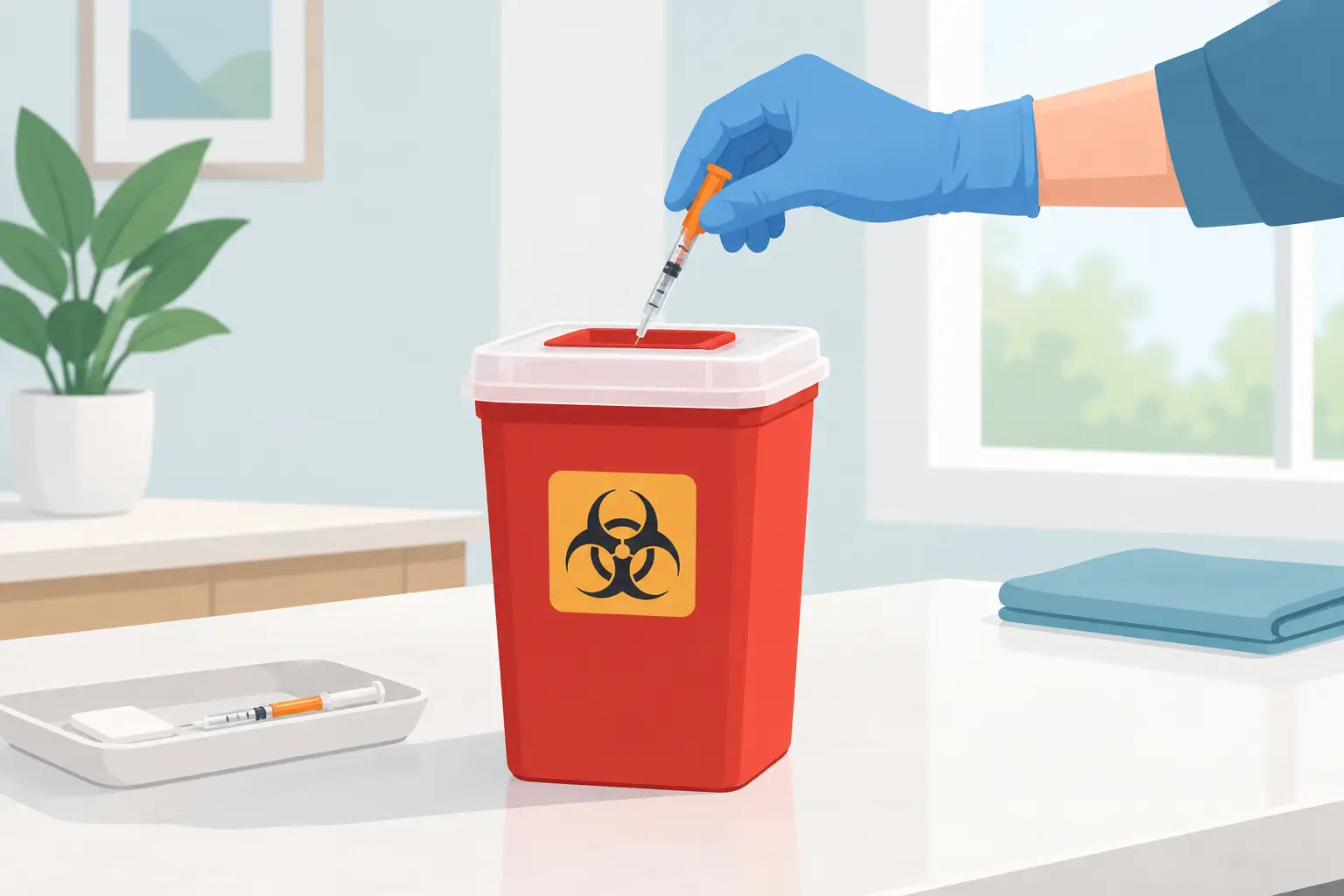
- A sharps container for used needles and lancets
Monitoring Options Depend on the Care Plan
A fingerstick meter is a dependable, familiar choice for many people. It can be especially useful as a backup for individuals who use continuous glucose monitoring, often called CGM. A meter may also be preferred when someone wants a straightforward, lower-technology method of checking glucose levels.
CGM systems use a small sensor to provide glucose readings throughout the day and may send trend alerts to a compatible receiver or smartphone. These systems can help users see whether glucose is rising, falling, or staying in range. Still, sensors, transmitters, adhesive products, and backup testing supplies all need to be considered when planning inventory.
The right monitoring approach depends on the prescribed system, insurance coverage, comfort with technology, and individual clinical needs. Do not substitute components between systems unless the manufacturer and prescribing clinician confirm compatibility. If a reading does not match symptoms, follow the instructions provided for the device and contact a healthcare professional when needed.
Keep Backup Supplies Where Life Happens
Home is only one part of the routine. A well-prepared diabetes kit can prevent a rushed trip back to the house or a missed check during travel, work, school, or appointments. Keep essential items together in a clean, easy-to-carry case, with test strips and insulin protected from heat, cold, and direct sunlight.
For travel, pack supplies in carry-on luggage rather than checked bags. Checked baggage can be exposed to temperature changes and may be delayed or lost. Bring more than the expected amount for the trip, especially when replacement supplies may be difficult to find quickly.
It also helps to keep a short, current list of prescribed medications, device models, and emergency contacts. Caregivers should know where supplies are stored and how to recognize when a restock is needed.
Safe Storage and Disposal Are Part of the Routine
Diabetes supplies work best when they are stored correctly. Follow the product label and manufacturer instructions for each item, particularly insulin and CGM sensors. Avoid leaving supplies in a hot vehicle, near a heater, or in direct sun. Freezing temperatures can also damage certain products.
Create a single storage area at home, but avoid placing everything out of reach if mobility is limited. Clear labels can be especially helpful in shared households or when several family members help with care. Use the oldest in-date items first, and periodically check for expired test strips, damaged packages, or low stock.
Used needles, pen needles, lancets, and other sharps should go directly into an approved sharps container. Do not place loose sharps in household trash or recycling. When the container is full, follow local rules for disposal. Pharmacies, health departments, and waste programs may have different requirements, so confirm the process in your area.
How to Order Without Overbuying or Running Short
The most useful ordering plan is based on real use, not guesswork. Start by looking at the number of test strips, sensors, needles, or syringes used during a normal month. Then account for delivery lead times and any coverage limits. A modest reserve can protect against shipping delays, but excessive quantities can lead to expired products and wasted money.
Prescription products may require authorization from a clinician, while many supporting supplies can be purchased directly. Insurance coverage varies by plan and may limit brands, quantities, or refill dates. If coverage changes, check whether a meter, strip, or CGM system must change with it before placing an order.
Healthcare practices should take a similar approach at a larger scale. Separate routine exam-room supplies from patient education products and emergency items. Track usage by provider volume, treatment type, and expiration date. A small, organized inventory is usually more dependable than a crowded supply room where compatible products are hard to locate.
US MedResources helps home users and healthcare teams find condition-specific supplies alongside the practical care products needed for everyday support. Ordering from a specialized medical supply source can make it easier to keep related items together, from diabetes care essentials to first aid and personal care products.
Know When to Ask for Help
Supply questions are not just shopping questions when they affect treatment. Contact the prescribing clinician, diabetes educator, pharmacist, or device manufacturer for help with product compatibility, unfamiliar instructions, skin irritation from an adhesive, repeated device errors, or changes in glucose patterns.
Seek urgent medical care for symptoms of severe low or high blood sugar, confusion, loss of consciousness, trouble breathing, vomiting, or any situation that feels like an emergency. Supplies support the care plan, but they do not replace professional guidance when symptoms are serious.
A dependable diabetes routine starts with small practical decisions: use the prescribed products, store them properly, replace them before they run out, and keep a backup kit ready for the unexpected. That preparation gives patients, caregivers, and clinical teams more room to focus on care instead of searching for the next essential item.