Call Us -
Cart
0
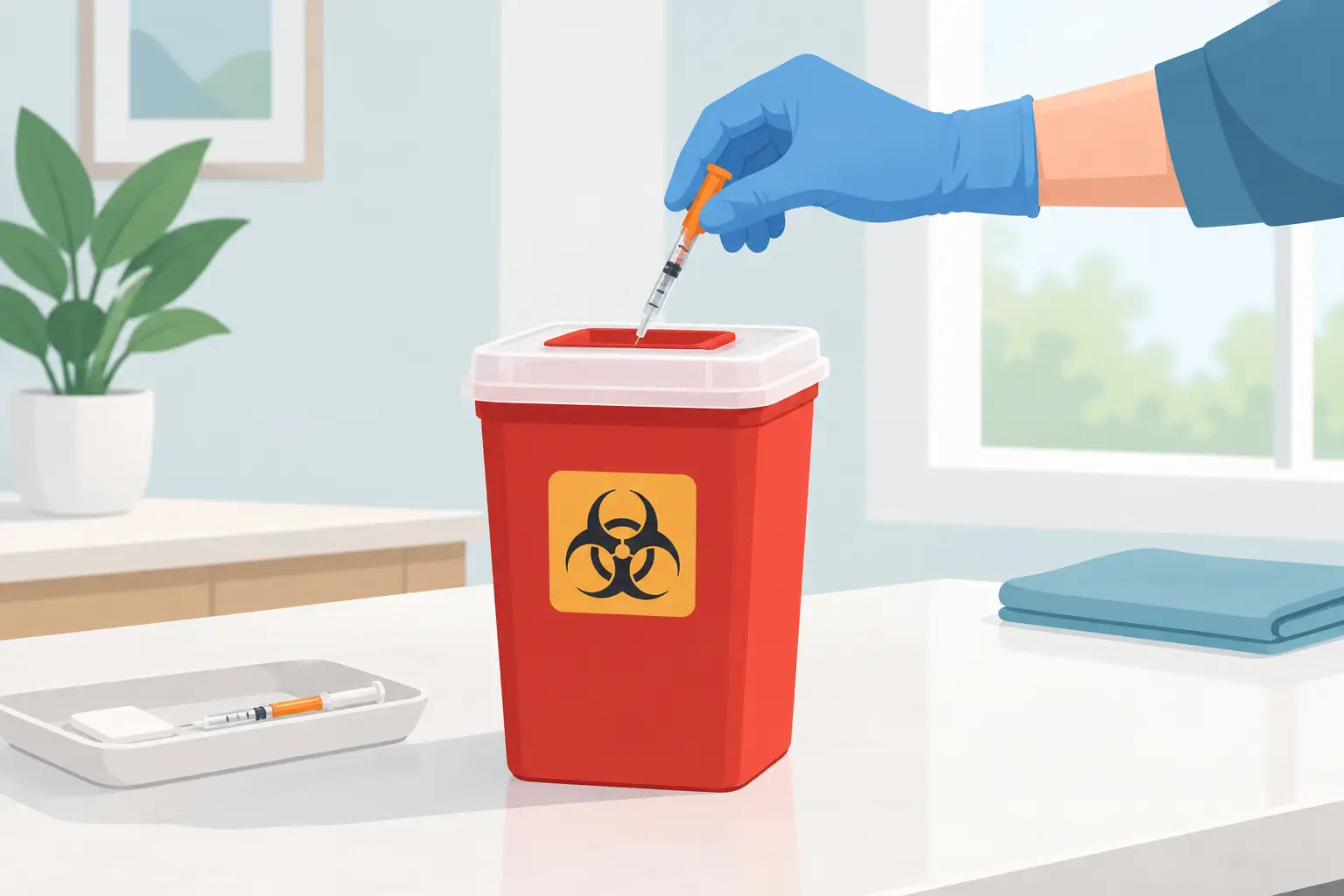
A used lancet or needle may be small, but it can cause a serious injury if it ends up loose in a trash bag, recycling bin, or drawer. Knowing how to dispose sharps containers correctly protects family members, sanitation workers, caregivers, and patients. The right final disposal method depends on where you live, but the basic process is consistent: use a proper container, close it before it is overfilled, and use an approved local disposal option.
Start With Your State and Local Rules
Sharps disposal rules are set at the state and local level, so there is no single method that applies everywhere in the United States. Some communities offer dedicated drop-off sites or household hazardous waste programs. Others allow sealed sharps containers in household trash under specific conditions. A few areas require mail-back services or special collection programs.
Before disposing of a container, contact your local health department, public works department, waste hauler, pharmacy, or hospital system. Ask one direct question: “Where can a household sharps container be safely disposed of in this community?” Confirm whether the location accepts containers from home users, not only from medical offices.
Do not assume a pharmacy, urgent care center, or doctor’s office accepts sharps. Many do not have the permits, storage capacity, or internal policy to take containers from the public. Call before making a trip.
How to Dispose Sharps Containers Safely
A sharps container is ready for disposal when it reaches the fill line marked by the manufacturer, or when it is about three-quarters full if no fill line is present. Do not try to pack in extra needles, push contents down, or shake the container to make room. Overfilling makes it easier for needles to protrude or for the lid to fail.
When the container is full, close the lid according to its instructions. Most purpose-made containers have a temporary closure and a final locking closure. Make sure the final closure is engaged before transporting or discarding it. Once locked, never reopen the container.
If your local program requires labeling, follow its instructions exactly. Some mail-back programs provide a shipping box and specific labels. In other cases, a local collection site may ask that the container be clearly identified as “Sharps” or “Do Not Recycle.” Never place a sharps container in a recycling bin, even if the container itself is made of plastic.
For home use, choose a container designed for needles, lancets, pen needles, syringes, and other sharps. It should be puncture-resistant, leak-resistant, upright and stable, and able to close securely. Keep it within reach where injections are given, but out of reach of children and pets. A wall-mounted unit, countertop container, or portable travel container may be the best choice depending on the care routine.
When an approved sharps container is not immediately available, some local programs permit a heavy-duty household plastic container as a temporary alternative. Requirements vary, but these are commonly a sturdy detergent bottle with a screw-on lid. Never use glass, a milk jug, a thin beverage bottle, a coffee can, or anything that can break, leak, or be pierced. Check local guidance before relying on a household container.
Choose an Approved Disposal Option
The safest disposal route is the one your local program specifically accepts. These are the most common options for households and care settings.
Sharps Drop-Off Sites
Health departments, hospitals, clinics, fire stations, pharmacies, and household hazardous waste facilities may operate sharps drop-off programs. This can be a convenient option for people who use insulin, injectable medications, home infusion supplies, or other ongoing needle-based care.
Ask about hours, accepted container types, fees, and whether the site takes only household-generated sharps. Bring the container closed and upright. Do not carry it in an open bag or leave it outside a facility after hours.
Mail-Back Sharps Programs
Mail-back programs are useful for people without nearby collection locations, people in rural areas, and caregivers who need a predictable disposal process. These programs generally provide an approved container or mailing package, instructions, and prepaid return shipping.
Follow the program directions closely. Mailing a sharps container outside an approved mail-back system can be unsafe and may violate shipping requirements. For homes that generate sharps regularly, keeping a replacement container ready before the current one is full prevents last-minute disposal problems.
Household Hazardous Waste or Special Pickup
Many counties hold periodic household hazardous waste events. Some waste companies also offer scheduled medical waste pickup or special collection services. This option may work well for households with multiple container types or a caregiver managing supplies for more than one person.
Event schedules can be limited, so store sealed containers safely until the next collection date. Keep them in a dry, secure location away from food, children, pets, and direct heat.
Household Trash, Where Permitted
Some states and communities allow properly sealed sharps containers to go into household trash. This is not universal. If local rules allow it, make sure the container is puncture-resistant, securely closed, and clearly handled according to your waste provider’s instructions. Some programs may require additional steps, such as placing the sealed container inside another sturdy container.
Do not place a container in the trash simply because no drop-off option is convenient. Verify the rule first. Local instructions are the standard to follow.
Home Sharps Disposal vs. Clinic Sharps Disposal
A home user and a medical practice may use similar containers, but the disposal requirements are often different. Households generally follow community collection rules. Clinics, physician offices, and other healthcare facilities are usually responsible for regulated medical waste procedures, staff training, storage standards, and contracted pickup services.
For practices, used sharps should go into approved containers at the point of use. Containers should be secured, monitored before they become overfilled, and removed through the facility’s established medical waste process. Do not send clinic-generated sharps home with patients for household disposal, and do not mix business waste with ordinary office trash.
Healthcare teams can also help patients leave with a clear plan. A patient starting insulin, injectable weight-management medication, allergy injections, or home infusion therapy should know where the container will go before the first needle is used.
Mistakes That Create Unnecessary Risk
Most sharps injuries happen when a needle is handled more than necessary. Put used sharps directly into the container after use. Avoid recapping needles unless a healthcare professional has specifically instructed you to do so for a particular device or procedure.
Never:
- Throw loose needles or lancets into household trash or recycling.
- Flush needles, syringes, or lancets down a toilet.
- Cut, bend, break, or crush needles before disposal.
- Force a sharp into an overfilled container.
- Reopen a locked container to retrieve or rearrange contents.
If a Needlestick Injury or Spill Happens
If someone is stuck by a used needle, wash the area right away with soap and water. Do not squeeze the wound aggressively. Seek prompt medical advice, especially if the sharp may have been used by another person or the source is unknown. Report workplace exposures through the employer’s established process.
If a sharps container tips over but remains closed, carefully set it upright without opening it. If a container breaks or loose sharps are present, keep children and pets away from the area. Use tongs or another tool, not bare hands, to place visible sharps into a new approved container. Contact local public health or waste authorities if you need help with cleanup or disposal.
Make Disposal Part of the Care Routine
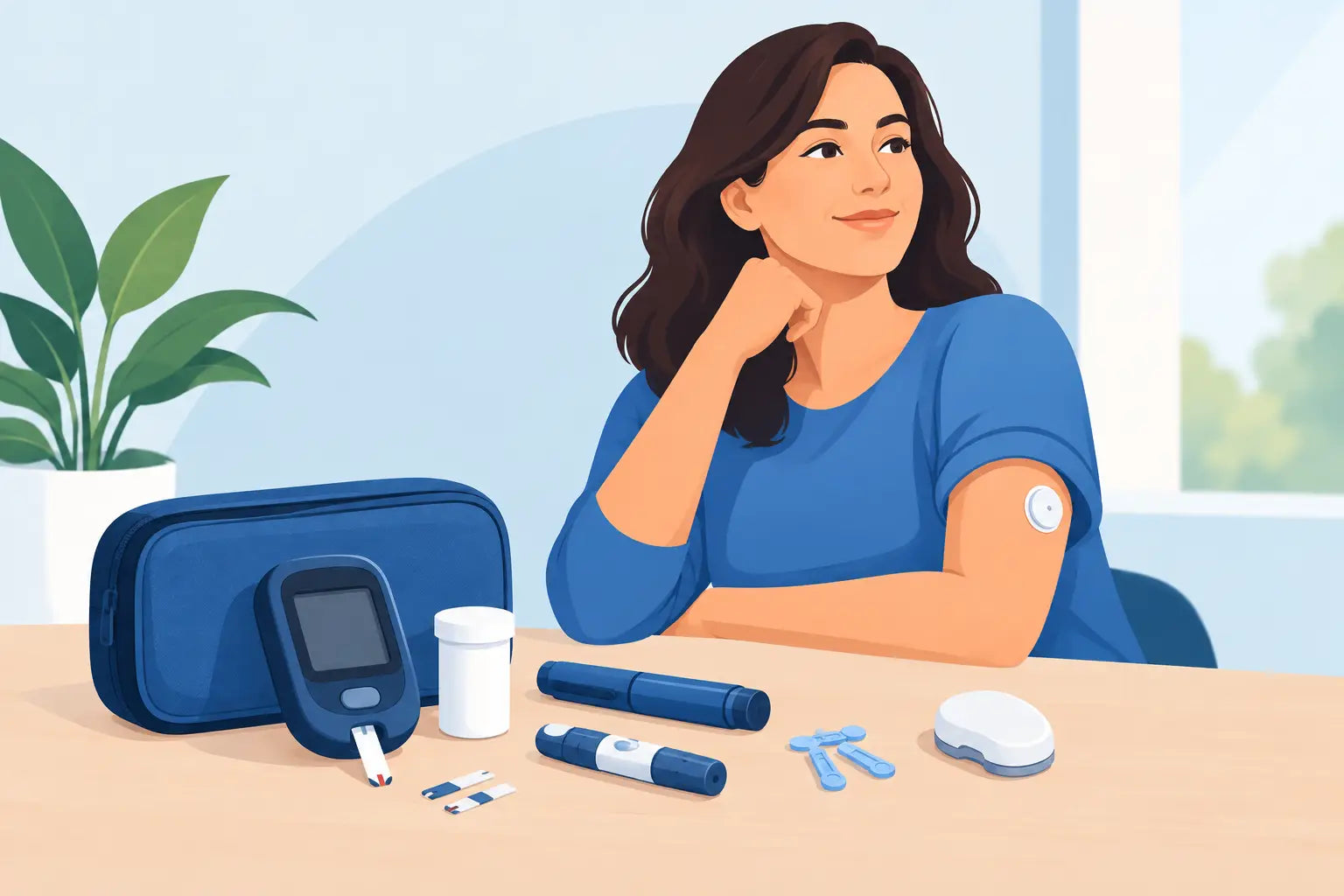
A dependable sharps plan starts before the first injection. Keep the correct size container in the care area, check its fill level regularly, and identify the local disposal route in advance. For individuals and caregivers managing diabetes, injections, or home treatments, having supplies delivered directly to your door can make it easier to maintain that routine.
A closed, properly handled sharps container is a simple part of safer care at home. Keep a replacement container on hand, follow your local disposal instructions, and make safe disposal the final step of every injection.