Call Us -
Cart
0
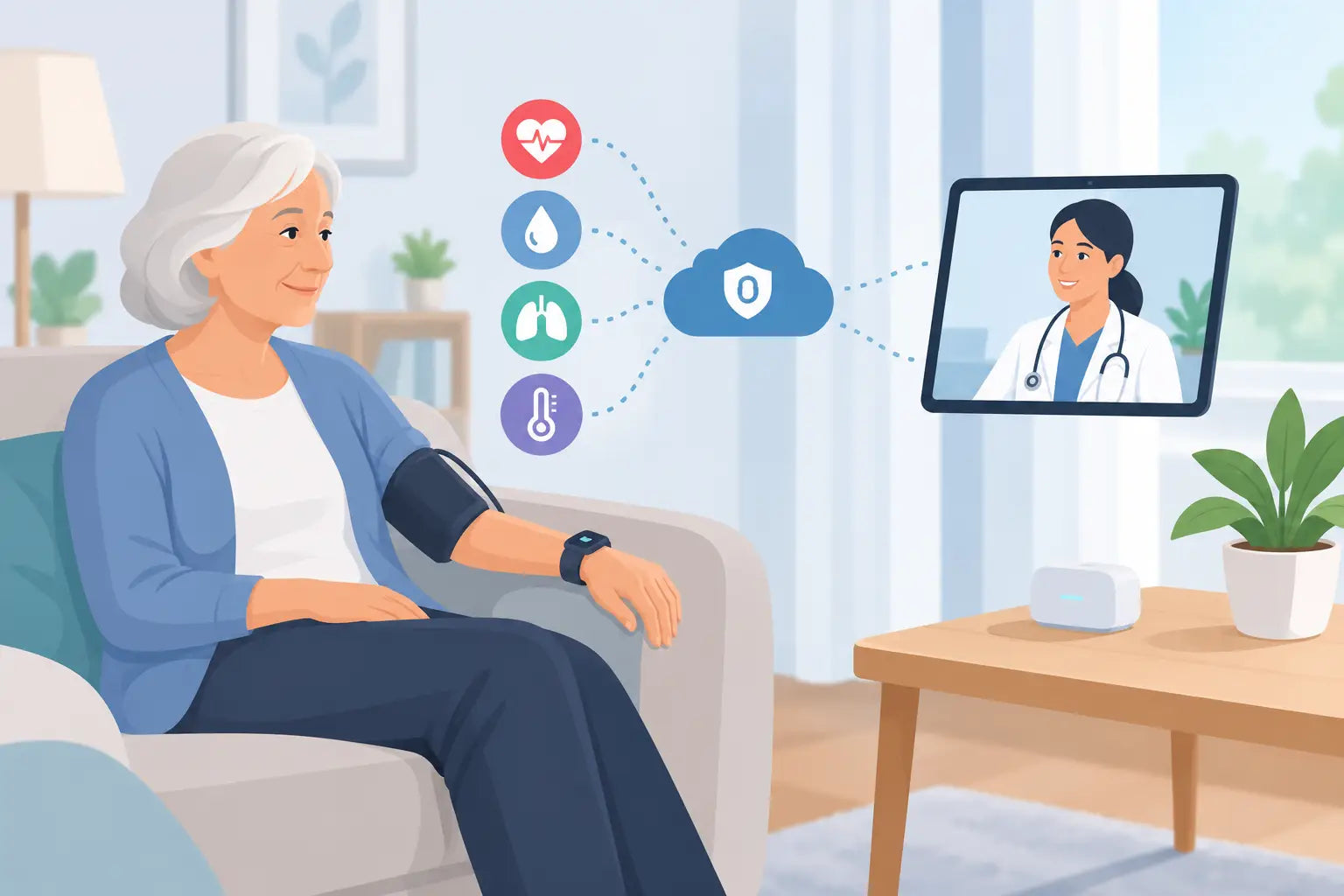
A blood pressure reading taken at the kitchen table can become part of a care team’s decision-making before symptoms turn into an urgent call. That is the practical value of remote patient monitoring: it helps qualified healthcare providers receive and review health information collected while a patient is at home.
For patients managing chronic conditions, recovering after a hospital stay, or trying to avoid unnecessary travel, this approach can add useful structure to everyday care. It does not replace appointments, diagnosis, or emergency services. It gives patients and providers another way to track changes between visits.
What Is Remote Patient Monitoring?
Remote patient monitoring, often called RPM, uses connected or reporting-enabled health devices to collect patient measurements outside a clinic. Depending on the care plan, those measurements may include blood pressure, weight, blood glucose, pulse rate, blood oxygen saturation, temperature, or other condition-specific data.
The information is sent to a healthcare practice through a designated app, cellular connection, tablet, phone call, or another approved reporting method. Clinical staff review the data according to the program’s process and may contact the patient when a reading falls outside the established range or when trends need attention.
The key point is that RPM is provider-directed care. A home device can be valuable on its own, but it becomes remote patient monitoring when there is a defined plan for collecting, transmitting, and reviewing results with a healthcare team.
Why Home Monitoring Can Make a Difference
Many health concerns do not follow a clinic schedule. Blood pressure can vary over the course of a day. Weight changes may signal fluid retention for some patients. Blood glucose patterns can be affected by meals, activity, illness, and medication timing. A single office reading may not show the full picture.
Regular home measurements can give providers more context. For a person with hypertension, a series of properly taken readings may help show whether a treatment plan is working. For a patient with diabetes, glucose reporting may support more informed conversations about daily routines. For someone recovering from a respiratory illness, provider-directed oxygen monitoring may help the care team identify when a follow-up is needed.
The benefit depends on the condition, the quality of the measurements, and how quickly the care team can respond. RPM is not a guarantee that complications will be prevented. It can, however, help make care more proactive when patients follow the plan and report accurate information.
Devices Commonly Used in Remote Patient Monitoring
The right equipment depends on the patient’s diagnosis and the provider’s requirements. Some programs supply devices directly, while others ask patients to use specific approved equipment. Before purchasing anything, patients should confirm what the provider accepts and whether the device needs Bluetooth, cellular connectivity, a particular app, or manual reporting.
Common equipment may include:
- Automatic upper-arm blood pressure monitors for ongoing hypertension management.
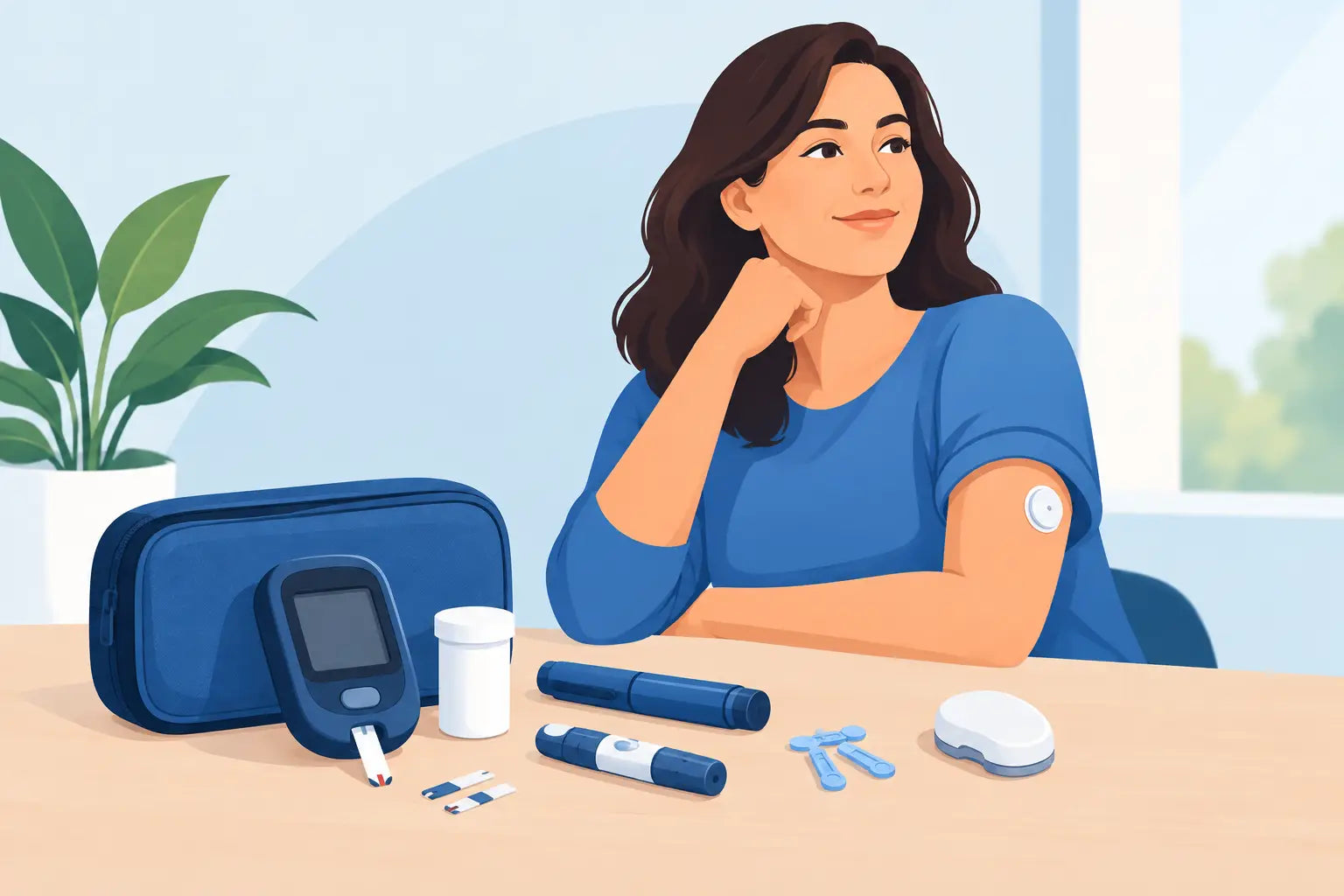
- Blood glucose meters and related diabetes testing supplies for patients with a glucose monitoring plan.
- Digital scales for tracking weight trends, particularly when fluid status is a clinical concern.
- Fingertip pulse oximeters for patients whose provider has instructed them to monitor oxygen saturation and pulse rate.
- Thermometers for tracking fever or temperature changes during illness or recovery.
Getting Reliable Readings at Home
Good data begins with a consistent routine. A connected device cannot correct a reading taken at the wrong time or with improper technique. Providers should explain the patient’s individual schedule, but basic preparation often makes a meaningful difference.
For blood pressure, patients are commonly asked to sit quietly for several minutes, keep both feet supported, place the cuff on bare skin, and keep the arm supported at heart level. Talking, rushing, or measuring immediately after exercise, caffeine, or smoking can affect results. The patient should use the cuff size recommended for their arm.
For weight monitoring, consistency is often more useful than an occasional measurement. Using the same scale, at roughly the same time of day, with similar clothing can make trends easier to interpret. A scale should sit on a hard, level surface rather than thick carpet.
For blood glucose testing, patients should follow the instructions for their meter and their clinician’s timing guidance. Clean, dry hands help reduce the chance of an inaccurate result. For pulse oximetry, cold fingers, nail products, poor circulation, and movement can interfere with readings. A patient who receives an unexpected result should follow the care plan, repeat the measurement if instructed, and contact the provider when appropriate.
Make the Program Work for the Patient
Remote monitoring adds a task to the day, so the routine needs to be realistic. The best schedule is usually one that fits naturally around medication, breakfast, bedtime, or another established habit. A caregiver can help with setup, reminders, and reporting, but the patient should understand what is being measured and why.
Before beginning a program, patients and caregivers should ask the provider who will review the information, how often readings should be taken, and what happens after an unusual result. They should also know the right contact number for technical problems and clinical questions. This avoids a common misunderstanding: seeing a reading transmitted does not necessarily mean someone is watching it in real time.
Clear emergency instructions matter. RPM is not for chest pain, severe trouble breathing, signs of stroke, fainting, heavy bleeding, or another medical emergency. In an emergency, call 911 or seek immediate care rather than waiting for a monitoring response.
Privacy, Connectivity, and Practical Trade-Offs
RPM programs handle personal health information, so patients should understand how their data is transmitted and who can access it. Healthcare practices should explain consent, privacy practices, and any technology requirements before enrollment. Patients should use secure logins, protect devices and tablets from unauthorized access, and report lost equipment promptly.
Connectivity is another practical consideration. Some programs rely on a smartphone and internet service, while others use cellular-enabled devices that send readings without a home Wi-Fi connection. Rural coverage, comfort with technology, vision limitations, and language needs can all affect which setup is most workable.
There can also be costs. Insurance coverage for remote patient monitoring varies by health plan, diagnosis, provider program, and patient responsibility. Patients should ask their insurer and provider about possible copays, deductibles, device charges, and enrollment requirements before assuming a service is covered.
Support the Care Plan With the Right Home Supplies
Monitoring works best when the necessary supplies are easy to keep on hand. Batteries, replacement cuffs, test strips, lancets, alcohol prep pads, and a stable place to store equipment can prevent missed readings. Patients using mobility aids or managing wound care, respiratory needs, or post-acute recovery may also benefit from organizing supplies in one accessible area of the home.
US MedResources helps patients, caregivers, and healthcare practices find dependable home medical equipment and everyday health supplies for ongoing care. When selecting monitoring-related items, prioritize the provider’s specifications over convenience or price alone. The correct device and accessories support more consistent use and more useful information.
A simple routine, reliable equipment, and clear instructions can make home measurements less stressful. Keep the care team’s contact information nearby, take readings as directed, and bring questions forward early so the monitoring plan continues to serve the patient, not burden them.