Call Us -
Cart
0
A missed leak at 2 a.m. can turn into a full bedding change, skin irritation, and a rough next day. That is why choosing the best incontinence supplies for adults is not just about convenience. It is about comfort, dignity, skin health, and making daily care easier for both the person using the product and the caregiver helping manage it.
The right supplies depend on more than absorbency alone. Some adults need discreet protection for light bladder leakage. Others need overnight coverage, bowel incontinence support, or products that make transfers and cleanup more manageable. The best choice is usually the one that matches the level of leakage, mobility, body shape, and daily routine without creating extra bulk or discomfort.
How to choose the best incontinence supplies for adults
Start with the type and amount of leakage. Light stress incontinence after a cough or exercise calls for a different product than urge incontinence, continuous leakage, or overnight protection. If a product is too light, leaks happen. If it is too heavy, it can feel hot, bulky, and unnecessary during the day.
Fit matters just as much as absorbency. A product that gaps around the legs or shifts during movement will underperform even if the absorbent core is strong. Adults who are active often do better with protective underwear that moves more like regular clothing. Adults with limited mobility or those receiving hands-on care may need tab-style briefs that are easier to change while lying down.
Skin sensitivity should also guide the decision. Moisture, friction, and frequent cleansing can quickly lead to redness or breakdown. Breathable materials, moisture-wicking layers, and the right skin care products are part of a complete continence routine, not extras.
Adult briefs for moderate to heavy protection
Adult briefs are often the best option for moderate to heavy incontinence, especially when changes need to be done by a caregiver. The side tabs allow for a secure fit and make it easier to adjust the product after repositioning or transfers. For adults who spend extended time in bed or in a chair, this style is practical and dependable.
The main advantage of briefs is coverage. They are designed to handle larger voids and often offer better leak guards than lighter products. Many also include wetness indicators, which can help caregivers check whether a change is needed without unnecessary disruption.
The trade-off is bulk. Some users find briefs less discreet under clothing, particularly during the day. If appearance and freedom of movement are priorities, a pull-on style may be more comfortable.
Protective underwear for active adults
Protective underwear is a strong choice for adults who want a more discreet, everyday option. It looks and feels closer to regular underwear, which can make a real difference for confidence at work, during travel, or while running errands.
This category works best for light to moderate leakage and for people who can pull garments up and down on their own. The fit tends to be smoother under clothing, and many users prefer the more normal feel. For someone managing occasional urgency or daytime accidents, protective underwear can be the easiest option to wear consistently.
That said, it is not always the best solution for everyone. If leakage is heavy, if overnight use is needed, or if the person cannot stand safely for changes, a pull-on product may be less effective and less convenient than a tab brief.
Pads and liners for light leakage
Pads and liners are often the starting point for adults with mild bladder control issues. They are useful for small leaks, post-procedure recovery, or as backup protection when symptoms are occasional rather than constant.
For the right user, pads are simple and cost-effective. They can be changed quickly and paired with regular underwear. They also give people an option that feels less medical, which can make the transition into using continence products easier.
Still, not all pads are interchangeable. Men and women often benefit from different shapes based on anatomy and where protection is needed most. Adhesive backing, contouring, and absorbent placement all affect performance. If pads are bunching, shifting, or leaking before they should, the issue may be product design rather than absorbency alone.
Underpads and bed protection
When nighttime leaks are part of the picture, underpads matter. They protect mattresses, recliners, wheelchairs, and other surfaces from moisture while reducing laundry and cleanup. For home caregivers, this can save time and lower stress.
Disposable underpads are convenient for quick changes and busy care settings. Reusable underpads can be more economical over time and may feel softer against the skin. The best choice depends on how often changes happen, whether laundry access is easy, and how much fluid the pad needs to handle.
Underpads work best as backup, not as the main absorbent product. If bedding is wet every morning despite using an underpad, the primary brief or underwear likely needs an upgrade in absorbency, fit, or both.
Gloves, wipes, and cleansing products
The best incontinence supplies for adults are not limited to absorbent products. Cleanup supplies are just as important because frequent exposure to urine or stool raises the risk of irritation, odor, and infection.
Soft, no-rinse cleansing wipes simplify changes and help reduce friction compared with repeated washing. Disposable gloves improve hygiene for caregivers and make routine care more efficient. In many cases, these support products are what keep daily care manageable, especially in homes where incontinence is only one part of a larger care routine.
Harsh soaps and rough washcloths can make sensitive skin worse. Gentle cleansers designed for frequent use are often a better long-term choice, particularly for older adults or anyone with fragile skin.
Barrier creams and skin protection
Skin care is often overlooked until there is a problem. By then, redness, pain, and breakdown can make every change harder. A barrier cream helps protect skin from prolonged moisture and reduces friction in high-risk areas.
This is especially important for adults who wear absorbent products for many hours, sleep through the night, or have limited mobility. A thin layer applied consistently can help prevent avoidable skin issues. The key is balance. Too little product may not protect enough, while too much can affect absorbency if it transfers into the brief or pad.
For facilities and family caregivers alike, skin protection should be treated as part of the standard supply plan, not a separate purchase made only after irritation begins.
Sizing, absorbency, and common mistakes
One of the most common problems is buying by waist size alone and assuming every brand fits the same. They do not. Some run narrower through the legs, some are better for fuller body types, and some sit higher or lower on the waist. A product can be technically the right size and still be the wrong fit.
Absorbency labels can also be misleading if they are not matched to real use. A person with small but frequent leaks may need a different product than someone with larger, less frequent accidents. Overnight use usually calls for more absorbency and stronger leak protection than daytime wear.
Another mistake is trying to make one product handle every situation. Many adults do better with a daytime option, a separate overnight product, and underpads for added security. That approach can feel more efficient than relying on a single product that only works part of the time.
Building a practical incontinence supply routine
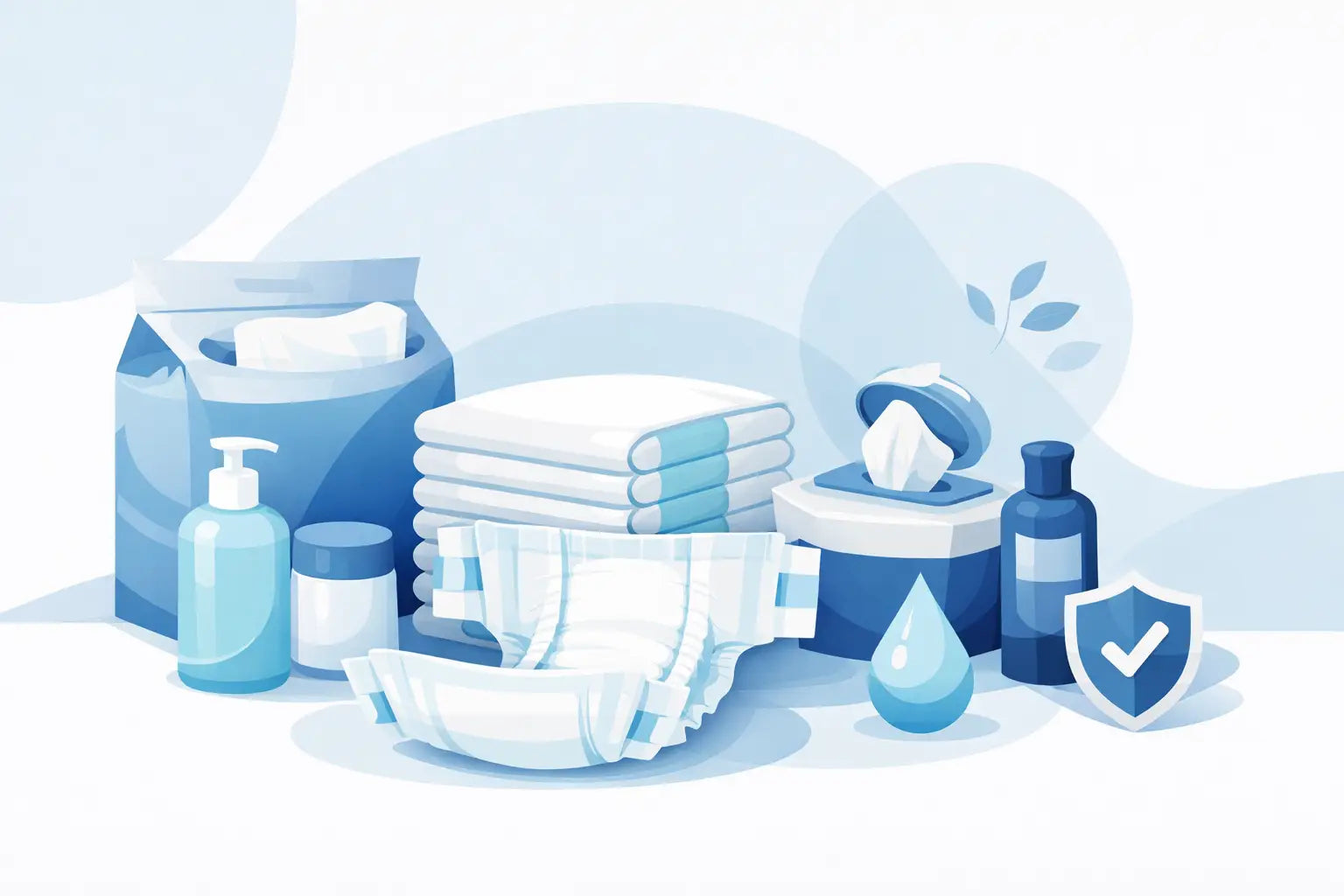
A dependable setup usually includes more than one item. For many adults, that means an absorbent product, cleansing wipes, gloves if caregiver assistance is involved, barrier cream, and bed or chair protection. When these supplies are kept on hand, daily care becomes simpler and more predictable.
For caregivers, consistency helps. Keep supplies in the same place, check fit regularly, and reassess products if leaks, odors, or skin issues continue. A supply routine that worked during recovery may not be the right one months later.
For home users and care providers looking for dependable options, US MedResources offers a practical way to shop by need and keep essential continence products delivered directly to your door.
The best product is the one that fits the person, the setting, and the level of care required. A little trial and adjustment at the start can lead to better comfort, fewer leaks, and a daily routine that feels much more manageable.