Call Us -
Cart
0
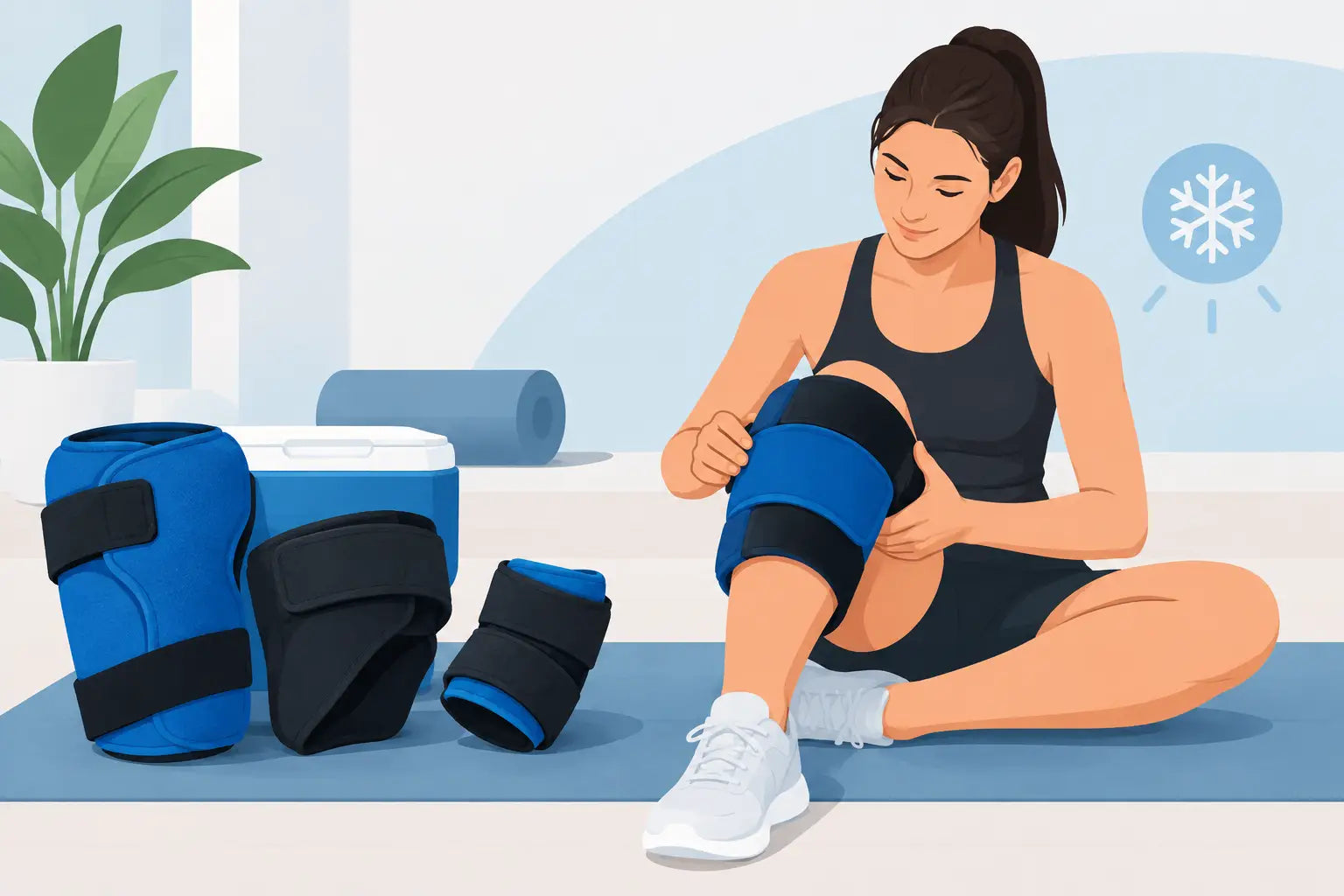
A cold pack that slides off your knee, leaves your shoulder uncovered, or needs to be held in place is hard to use when you are already sore. The best cold therapy wraps solve that practical problem by pairing reusable cold therapy with a secure, hands-free fit. Whether you are managing a recent strain, post-exercise soreness, swelling after a procedure, or an ongoing orthopedic condition, the right wrap can make at-home recovery more comfortable and easier to maintain.
Cold therapy is not one-size-fits-all. A wrap that works well for a runner's knee may not give a caregiver enough coverage for a family member's lower back. The best choice depends on the body area, the amount of compression you can tolerate, how long you need cooling, and how independently you need to apply it.
What Makes the Best Cold Therapy Wraps Different?
A basic gel pack provides cooling, but it often needs a towel and a hand to keep it in place. A cold therapy wrap adds structure. It holds the pack over the intended area using straps, sleeves, or contoured panels, allowing the user to rest, move carefully around the home, or complete another task while receiving cold therapy.
The most useful designs balance three priorities: coverage, adjustability, and comfort. Coverage ensures the cold reaches the area around a joint or muscle rather than one small spot. Adjustable closures help accommodate swelling, clothing, and different body shapes. Comfort matters because an overly stiff or bulky wrap is less likely to be used consistently.
Some wraps also combine cold therapy with gentle compression. This can provide a snug, supported feel around a knee, ankle, elbow, or shoulder. More compression is not always better, however. A wrap should feel secure, never restrictive. Loosen or remove it if you notice numbness, tingling, increased pain, skin color changes, or discomfort.
Choose a Wrap for the Area You Need to Treat
The shape of the wrap is usually more important than the brand name on the package. Start with the body part, then compare features that support that use.
Knee wraps
Knee cold therapy wraps commonly use a large flexible panel with straps above and below the joint. Look for coverage across the front and sides of the knee, particularly if swelling is not limited to one pinpoint area. A wrap with separate straps can offer a more secure fit than a pull-on sleeve, especially for users with limited mobility or for caregivers applying the wrap.
If the knee is sensitive after a procedure or injury, a soft fabric barrier between the gel pack and skin is helpful. Avoid wraps that bunch behind the knee, since sitting with excess material there can be uncomfortable.
Shoulder wraps
A shoulder is difficult to ice with a flat pack because the joint is rounded and the arm's movement can dislodge it. Shoulder-specific wraps are designed to drape over the upper arm and shoulder while securing around the chest or torso. Check whether the product is made for the left shoulder, right shoulder, or either side before ordering.
For home use, simple closures are especially valuable. People with shoulder pain may have trouble reaching behind their back or raising the opposite arm to fasten complicated straps. Wider straps and clearly marked closures can make a real difference.
Back and hip wraps
For lower back discomfort, a broad wrap or belt-style design typically provides the most stable coverage. It should cover the affected lumbar area without rolling at the waist when sitting or standing. A longer panel may also be useful for people who experience discomfort along the side of the hip.
Back wraps tend to be larger, so consider whether the gel insert can be removed easily for refreezing. A wrap may fit well, but it is less convenient if the cold pack is difficult to position after it comes out of the freezer.
Ankle, foot, wrist, and elbow wraps
Smaller joints benefit from a more tailored design. An ankle wrap should secure around the heel and sides of the joint without making walking unsafe. A wrist wrap needs enough flexibility to avoid interfering with fingers and circulation. For an elbow, look for a wrap that contours around the bend of the arm and stays put when the arm is relaxed.
A universal wrap can be a practical choice when several people in a household need occasional cold therapy. Still, a body-part-specific model usually provides better coverage and less slipping for frequent use.
Features That Matter Before You Buy
Cold retention is a key consideration, but it is not the only one. Very firm frozen gel can feel uncomfortable against a tender area, while a pack that warms quickly may require frequent freezer trips. Flexible gel packs that conform to the body after a few minutes are often easier to use than rigid inserts.
Pay close attention to the wrap material and the skin-facing layer. A soft, washable cover can improve comfort and help keep the wrap clean when it is used regularly. Some products include a built-in protective barrier, while others require placing a thin cloth between the pack and skin. Direct application of a frozen gel pack can irritate or injure skin.
Adjustability is another everyday consideration. Hook-and-loop straps are common because they are easy to reposition, but they should be wide enough to avoid digging into the skin. If you are buying for a senior, a patient recovering from surgery, or someone with reduced hand strength, choose a design with large tabs and straightforward fastening.
It also helps to think about your routine. A second gel insert can be worthwhile for frequent icing sessions because one pack can stay in the freezer while the other is in use. A wrap with a designated freezer-safe insert is generally simpler to store than an oversized, all-in-one garment.
How to Use a Cold Therapy Wrap Safely
Always follow the product instructions and any directions from your healthcare provider. In many home-care situations, cold therapy is used in short sessions rather than continuously. A common approach is about 15 to 20 minutes at a time, followed by a break that allows the skin to return to normal temperature. Your clinician may recommend a different schedule after surgery or for a specific condition.
Before applying the wrap, inspect the skin for cuts, rashes, irritation, or areas with reduced sensation. Position the cold insert evenly and secure the straps so the wrap stays in place without feeling tight. Check the skin during and after use, particularly if you have diabetes, neuropathy, circulation concerns, or difficulty sensing temperature.
Do not sleep in a cold therapy wrap unless a qualified clinician has specifically instructed you to do so. Prolonged exposure increases the risk of skin damage. Cold therapy may also be inappropriate for certain circulation-related conditions or areas with impaired sensation. When in doubt, ask your physician, physical therapist, or other qualified healthcare professional before starting a cold therapy routine.
Cold Therapy Wraps for Home and Clinical Settings
For a clinic, athletic training room, or physical therapy setting, durability and turnover are often the deciding factors. Consider wraps with replaceable inserts, easy-clean materials, and sizing that fits a broad range of patients. Keeping multiple wraps available by treatment area can help staff provide more targeted support without trying to adapt one general pack for every need.
For home users, ease of use usually comes first. A dependable wrap should be simple to freeze, simple to fasten, and comfortable enough that the user will reach for it when soreness or swelling flares up. Caregivers may also prefer products with clear instructions and visible straps that can be applied without complicated positioning.
US MedResources supports home users and healthcare practices with practical orthopedic care and recovery supplies delivered directly to the door. When comparing options, focus on the fit and features that match the person who will actually use the wrap, not just the condition printed on the package.
When Cold Is Not the Best Choice
Cold therapy is often used soon after an acute injury or activity-related flare-up when swelling and soreness are present. Heat may feel more helpful for chronic stiffness or muscle tightness, particularly when there is no new swelling. The right choice can vary by condition, timing, and provider guidance.
If pain is severe, swelling is sudden, you cannot bear weight, a joint looks deformed, or symptoms do not improve as expected, do not rely on a wrap alone. Seek medical evaluation. A cold therapy wrap is a useful recovery tool, but it does not replace diagnosis or treatment for a significant injury.
The best cold therapy wrap is the one that fits the correct body area, stays comfortably in place, and makes it easier to follow the care plan recommended for you. Choose a design you can apply confidently, keep it ready in the freezer, and use it as part of a sensible recovery routine.