Call Us -
Cart
0
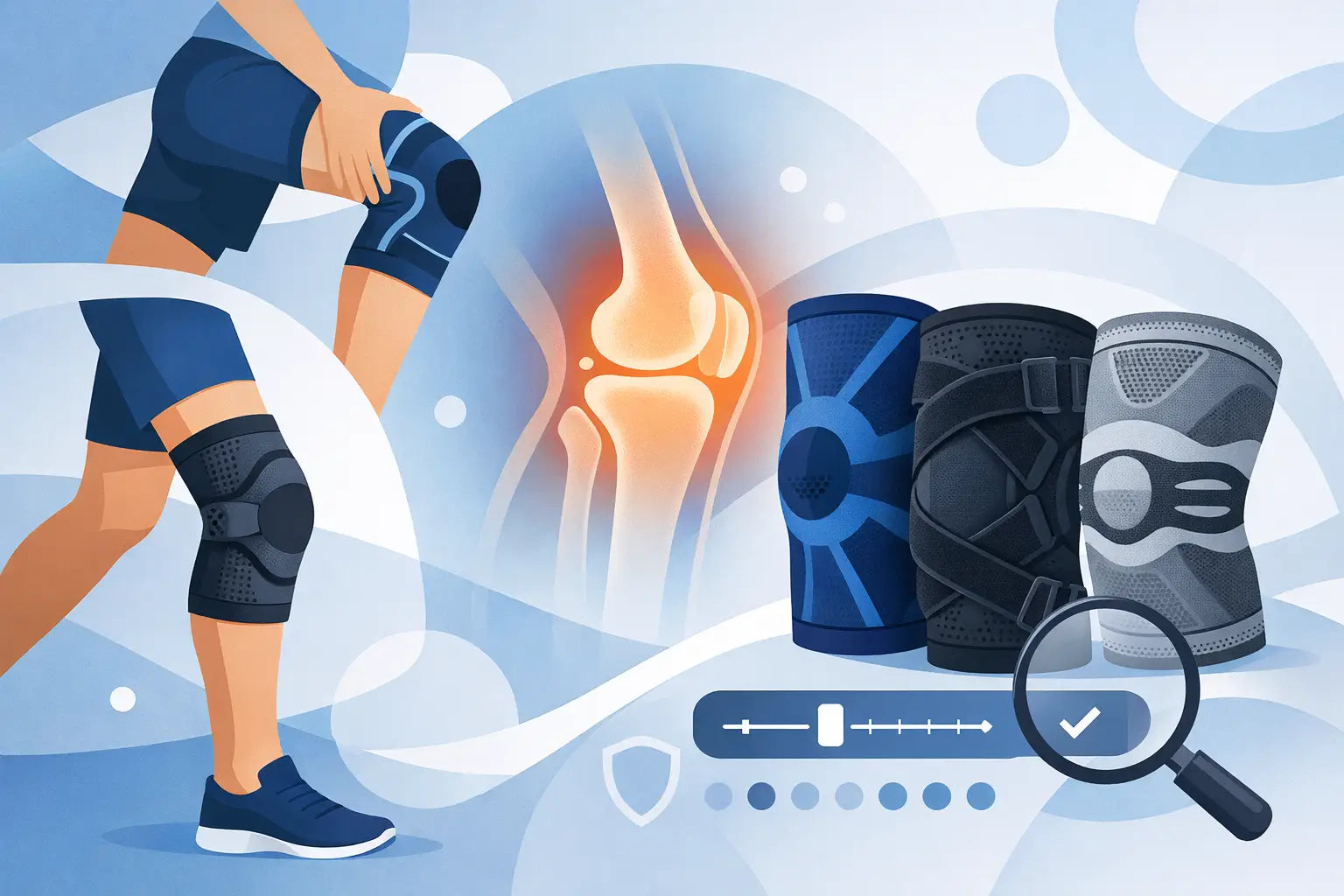
A knee brace that slips, pinches behind the knee, or feels too tight after an hour is not providing the support you need. This compression knee brace review focuses on what matters in daily use: how a brace feels during movement, which design fits your condition, and when more structured support may be the better choice.
Compression braces are popular because they are easy to wear under loose clothing, simple to pack for work or travel, and useful for many mild knee concerns. But “compression” is not one level of support. A thin pull-on sleeve, an adjustable wrap, and a hinged stabilizing brace can all apply compression while serving very different needs.
What a Compression Knee Brace Can Do
A compression knee brace applies gentle, even pressure around the joint. That pressure may help you feel more supported during walking, exercise, standing at work, or routine tasks at home. Many people also find that a sleeve helps manage minor swelling and provides reassuring feedback that keeps them from moving too quickly or twisting the knee carelessly.
The main benefit is usually comfort and support, not a cure. A brace cannot repair a torn ligament, reverse advanced arthritis, or replace a care plan after surgery. It can, however, be a practical part of that plan when selected for the right purpose.
Compression sleeves are commonly considered for occasional soreness, mild arthritis discomfort, overuse from activity, and recovery after a minor strain. They may also help when the knee feels tired after a long day on your feet. If the knee repeatedly gives out, locks, becomes significantly swollen, or cannot bear weight, seek evaluation from a healthcare professional rather than relying on a sleeve alone.
Compression Knee Brace Review: Comparing Designs
The best design depends on the amount of support you need and how you plan to wear it. More support is not always better. A heavily structured brace may be unnecessary for mild soreness, while a basic sleeve may not offer enough stability after an injury.
Pull-On Compression Sleeves
A pull-on sleeve is the simplest option. It is usually made from elastic knit, neoprene, or a similar flexible material and fits over the knee like a sock. Many sleeves are low profile enough for everyday errands, light exercise, or use under relaxed-fit pants.
The advantages are convenience, even compression, and minimal bulk. A good sleeve should stay in place without rolling at the top or bunching behind the knee. Some include silicone grips to reduce slipping and a shaped knit pattern that provides slightly firmer support around the kneecap.
The trade-off is limited adjustability. If swelling changes through the day or your thigh and calf measurements do not match standard sizing well, a pull-on sleeve may become uncomfortably tight or slide down. People with limited hand strength, arthritis in the hands, or reduced mobility may also find it difficult to put on.
Adjustable Wraparound Braces
Wraparound braces use straps, hook-and-loop closures, or both to secure around the knee. They are often easier to apply than a pull-on sleeve because you do not have to stretch fabric over the foot and calf. The adjustable closure also lets you fine-tune compression.
This style can be a strong choice for fluctuating swelling, temporary recovery needs, or users who want a more custom fit. Some wraps include an open patella design, leaving the kneecap uncovered, while others use a padded opening or stabilizing ring around it.
The downside is bulk. Straps can catch on clothing, loosen with repeated activity, or create pressure points if overtightened. For the most comfortable fit, secure the brace while seated with the knee slightly bent, then stand and walk a few steps before making final adjustments.
Patella-Stabilizing Braces
If pain is centered around the kneecap, a brace with a patella opening, gel ring, or side supports may feel more secure than a standard sleeve. These models are designed to help guide and support the patella during bending and straightening.
They can be useful for some forms of kneecap tracking discomfort or mild instability, but fit is especially important. A ring that sits too high, too low, or too tightly against the kneecap can increase irritation rather than relieve it. The opening should center naturally over the kneecap when you stand and bend the knee.
Hinged Knee Braces
Hinged braces combine compression with firmer side supports and mechanical hinges. They are typically used when a clinician recommends added stability for ligament injuries, significant instability, or post-operative recovery.
These braces offer more control than a sleeve, but they are also larger, warmer, and more noticeable under clothing. A hinged brace should be selected based on your diagnosis and provider guidance. Wearing one for routine soreness when it is not needed can make daily movement cumbersome and may give a false sense of security.
How to Choose the Right Support Level
Start with the problem you are trying to solve. For mild soreness after walks, gardening, or low-impact exercise, a basic compression sleeve may be sufficient. For swelling that varies during the day or a knee that needs adjustable pressure, a wraparound brace may be more practical. For kneecap-specific concerns, look for a patella-support design. For a known ligament injury or recovery following surgery, ask your physician or physical therapist whether a hinged model is appropriate.
Material also affects comfort. Breathable knit sleeves are often better for longer wear and warmer weather. Neoprene-style materials can feel warmer and may provide a more substantial feel, but they are not ideal for everyone, especially users who perspire heavily or have sensitive skin. If you have a latex sensitivity, check the material details before purchasing.
Consider when and where you will use the brace. A caregiver who needs support during household tasks may prioritize easy application. A clinic patient returning to light activity may need a low-profile sleeve that fits beneath clothing. Someone who stands for long shifts may benefit from an adjustable option that can be loosened or refastened as swelling changes.
Fit Is the Difference Between Support and Discomfort
Measure your leg instead of guessing based on pant size. Most manufacturers provide a sizing chart that uses the circumference of the thigh, calf, or knee joint. Use a flexible tape measure and follow the instructions for the specific brace. Measurements vary by design, so do not assume the same size will work across brands or styles.
A properly fitted compression brace should feel snug and secure, not painful. You should be able to bend and straighten the knee without the brace folding sharply behind the joint. It should not cause numbness, tingling, coldness in the foot, deep indentations, or a change in skin color.
Check the fit after walking for several minutes. A brace that feels fine while seated can migrate or tighten once you move. If it rolls at the edges, slips down, or creates a concentrated band of pressure, try adjusting the placement or consider a different size or style.
Do not wear a compression brace over broken skin, an untreated wound, or an active skin infection unless your healthcare provider has instructed you to do so. People with circulation concerns, diabetes-related neuropathy, significant leg swelling, or reduced sensation should ask a clinician before using compression around the knee. If you cannot reliably feel pressure changes, it is easier to miss a fit problem.
Practical Use and Care
For most users, a knee brace is best used during the activities that trigger symptoms rather than worn continuously from morning until night. Give your skin regular breaks, particularly if you are new to compression or prone to irritation. Follow your clinician’s instructions if you have been prescribed a specific wearing schedule.
Keep the brace clean according to its care label. Sweat, lotions, and skin oils can affect both comfort and the life of elastic materials. Hand washing with mild soap and air drying is often recommended. High heat may damage elastic fibers, closures, or padding.
A brace works best alongside sensible movement habits. Supportive footwear, gradual activity increases, strengthening exercises recommended by a professional, and rest after a flare-up can all matter as much as the brace itself. If symptoms are getting worse despite these measures, do not simply move to a tighter brace. Get the knee assessed.
When to Call a Healthcare Professional
Stop using the brace and seek medical advice promptly if you develop increasing pain, new numbness, skin discoloration, severe swelling, calf pain, or shortness of breath. These symptoms can point to concerns that need more than home support.
You should also contact a provider after a fall or twisting injury if you heard a pop, cannot fully straighten the knee, notice visible deformity, or the joint feels unstable. A brace may be useful later, but a clear diagnosis should come first.
The right compression knee brace should make daily movement feel more manageable, not more complicated. Choose the level of support that matches your needs, measure carefully, and prioritize comfort you can maintain. For dependable orthopedic support options delivered directly to your door, US MedResources can help you shop with a clear purpose.