Call Us -
Cart
0

A single glucose reading can tell you what is happening right now. A blood sugar log book shows what has been happening over days and weeks. That difference matters when you are managing diabetes at home, helping a parent or spouse, or preparing for a healthcare appointment. A clear record can help connect numbers with meals, activity, medication, illness, stress, and changes in routine.
A log book is not meant to create pressure or turn every number into a judgment. It is a practical care tool. When readings are written down consistently, you and your care team have more useful information to discuss than a few numbers recalled from memory.
What a Blood Sugar Log Book Should Track
The best blood sugar log book is one you will actually use. It should have enough space for the details that affect your glucose level without being so complicated that recording feels like another chore. A printed log book works well for people who prefer handwriting, need a record to bring to appointments, or do not want to depend on a phone or app.
At minimum, record the date, time, blood sugar reading, and the reason for the test. The reason may be fasting, before breakfast, before a meal, two hours after a meal, before bed, or when you felt symptoms. This context helps a clinician interpret the number correctly.
It is also helpful to note medication or insulin doses, especially if the dose or timing changes. Brief notes about meals can be valuable too. You do not need to list every ingredient. A simple note such as “pasta dinner,” “skipped lunch,” or “late-night snack” may explain a pattern better than the reading alone.
If you use insulin or take medicines that can lower blood sugar, include symptoms of low blood sugar when they occur. Shakiness, sweating, confusion, dizziness, weakness, irritability, or a fast heartbeat are details your care team needs to know. Record how you treated the low and whether you rechecked your glucose afterward.
Why Consistent Records Help
Glucose numbers naturally move throughout the day. Food, medication, physical activity, sleep, infection, dehydration, alcohol, travel, and emotional stress can all affect them. A high or low result may have a clear explanation, but that explanation can be easy to forget by the time of a medical visit.
A written record makes patterns easier to spot. For example, several high fasting readings may be different from high readings after dinner. Repeated lows after exercise may call for a conversation about meal timing, activity planning, or medication. Your healthcare provider can use these patterns to make more informed recommendations.
For caregivers, a log book also creates continuity. If more than one person helps with testing, meals, or medications, the record shows what has already been done. It can reduce duplicate doses, missed checks, and uncertainty during a busy day.
A log book does have limits. It cannot replace your meter, continuous glucose monitor data, A1C testing, or professional medical advice. It also should not be used to change insulin or medication doses on your own unless your prescriber has given you a specific adjustment plan. If you have severe symptoms, very high readings with signs of illness, or low blood sugar that does not improve with treatment, follow your care plan and seek urgent medical help when needed.
How to Use Your Blood Sugar Log Book Each Day
Start by following the testing schedule provided by your healthcare professional. Some people only need fasting readings or occasional checks. Others may test before meals, after meals, before exercise, at bedtime, or more often. The right schedule depends on your diabetes type, medication, goals, pregnancy status, and overall health.
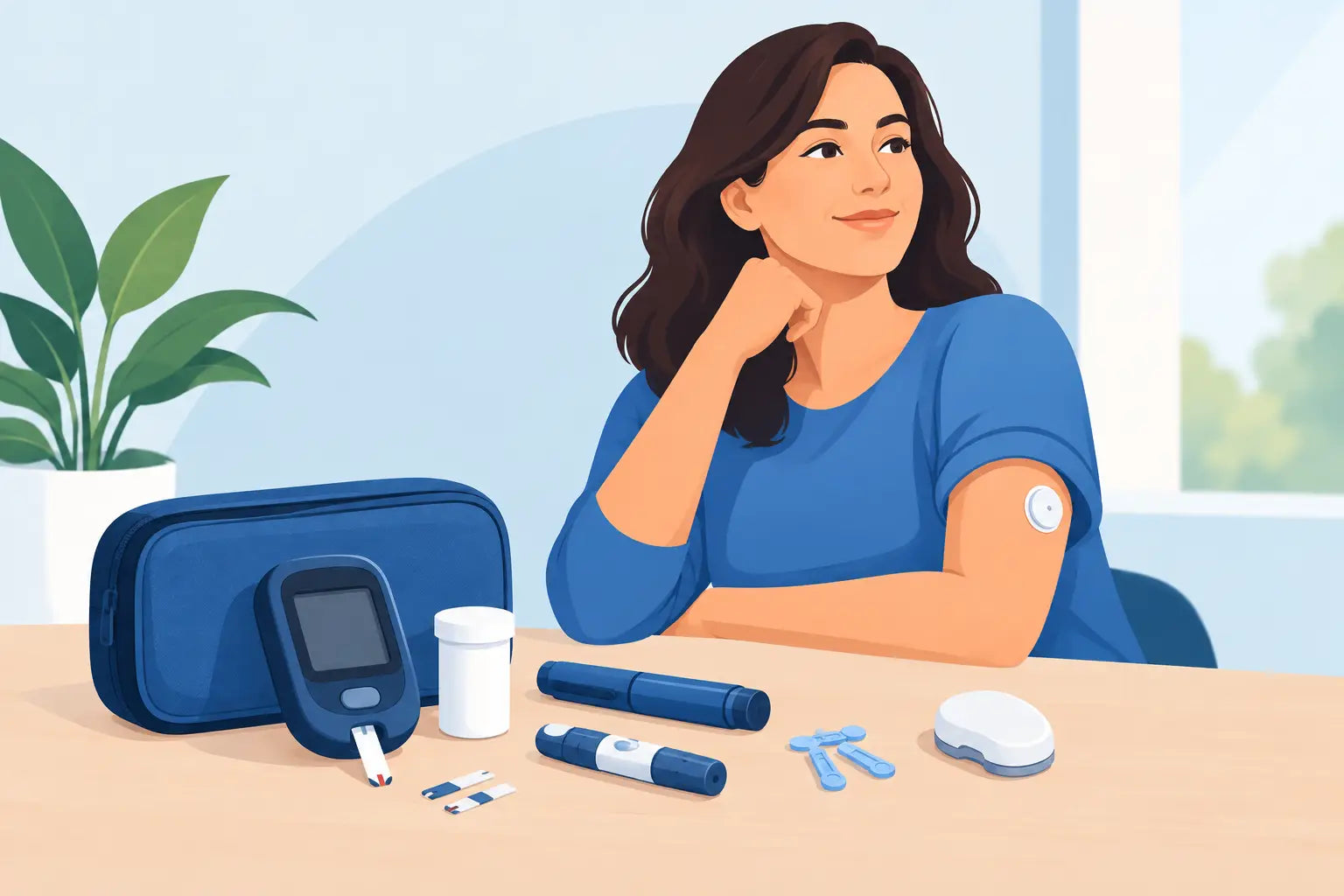
When you test, write down the result right away. Waiting until later often leads to missing details, especially meal timing or symptoms. Keep your log book near your glucose meter, lancets, test strips, and other diabetes supplies so the process is simple.
Record the timing, not just the number
The difference between a reading of 150 before a meal and 150 two hours after a meal can be meaningful. Write “before lunch” or “2 hours after lunch” rather than leaving the timing unclear. If you tested because you felt unwell, note that as well.
Add short notes when something changed
Use the notes section for events that may affect your glucose. A fever, steroid medication, poor sleep, a restaurant meal, a long walk, or an unusually stressful day can all provide useful context. Keep notes short and specific. The goal is to identify repeatable patterns, not write a diary.
Review once a week
Take a few minutes each week to look for repeated highs, lows, or wide swings. Circle readings that concern you or place a small mark next to them. This makes the most important information easier to find at your next appointment.
Do not overreact to one unexpected result. Check that your hands were clean and dry, your test strips were stored correctly and not expired, and the meter was used according to its instructions. If a result does not match how you feel, follow the guidance from your healthcare provider or meter manufacturer about retesting.
Choosing a Format That Fits Your Care Routine
Paper and digital logs can both be useful. A paper blood sugar log book is easy to carry, does not require charging, and can be handed directly to a clinician. It may be the better choice for seniors, people with limited technology access, and households where caregivers share responsibilities.
A digital app or meter download may be useful if you want automatic timestamps, trend graphs, reminders, or data sharing. However, an app is only helpful if it is used consistently and the information can be easily reviewed. Some people choose both: digital readings for detailed tracking and a paper log for medication notes, symptoms, and appointment discussions.
When selecting a printed log book, look for a layout with clearly labeled columns, enough room to write comfortably, and pages that cover your typical testing schedule. A person checking once daily needs a different format than someone logging several checks and insulin doses each day. Large print can also make a major difference for people with vision changes or hand mobility concerns.
Bring the Record to Every Diabetes Visit
A log book is most valuable when it is shared. Bring it to routine primary care, endocrinology, diabetes education, pharmacy, and nutrition appointments. Do not feel the need to organize every page perfectly. Honest records, including missed tests and difficult days, are more useful than a record that looks ideal but leaves out problems.
Before the appointment, flag a few questions. You may want to ask about repeated morning highs, frequent nighttime lows, readings that change after a new medication, or uncertainty about testing times. If you are caring for someone else, write down questions as they come up rather than relying on memory.
Healthcare professionals can often give better guidance when they see the daily situation behind the numbers. That may include reviewing injection technique, meal timing, meter use, medication adherence, or the need for additional supplies.
Keep Diabetes Supplies Together
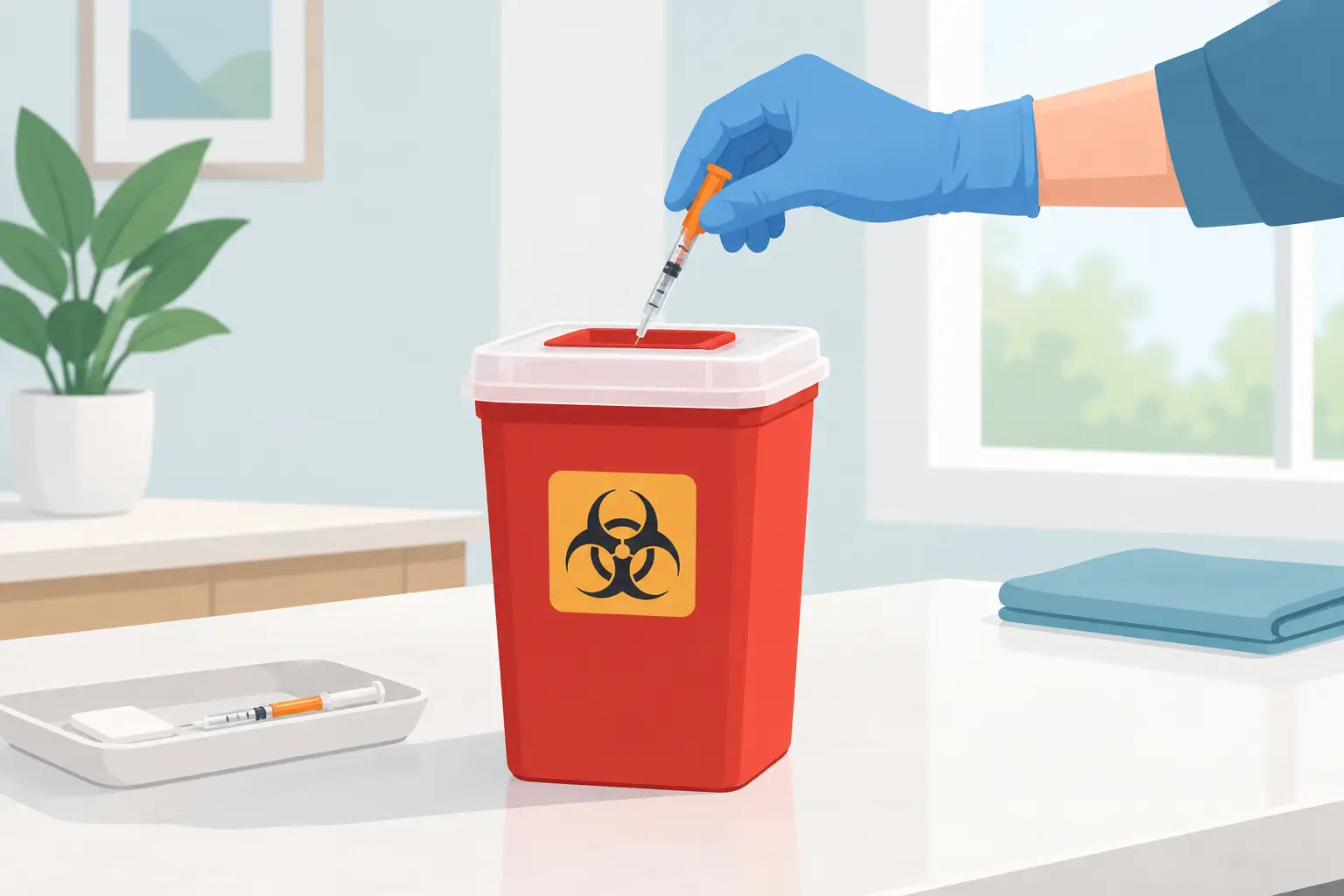
A dependable tracking routine is easier when supplies are ready where you need them. Keep your meter, compatible test strips, lancets, alcohol prep supplies if recommended, sharps container, and log book in a clean, accessible location. Check strip expiration dates and keep a backup supply on hand so you are not forced to skip monitoring while waiting for a reorder.
US MedResources helps home users, caregivers, and healthcare practices find practical diabetes care supplies delivered directly to their door. Choosing the right supplies and keeping them organized can make daily monitoring less disruptive and more dependable.
Your log book does not need to be perfect to be useful. Start with the next reading, write down the time and result, and keep going. A few clear entries can become the information that helps you ask a better question, recognize a pattern, and take the next step in your care with greater confidence.