Call Us -
Cart
0
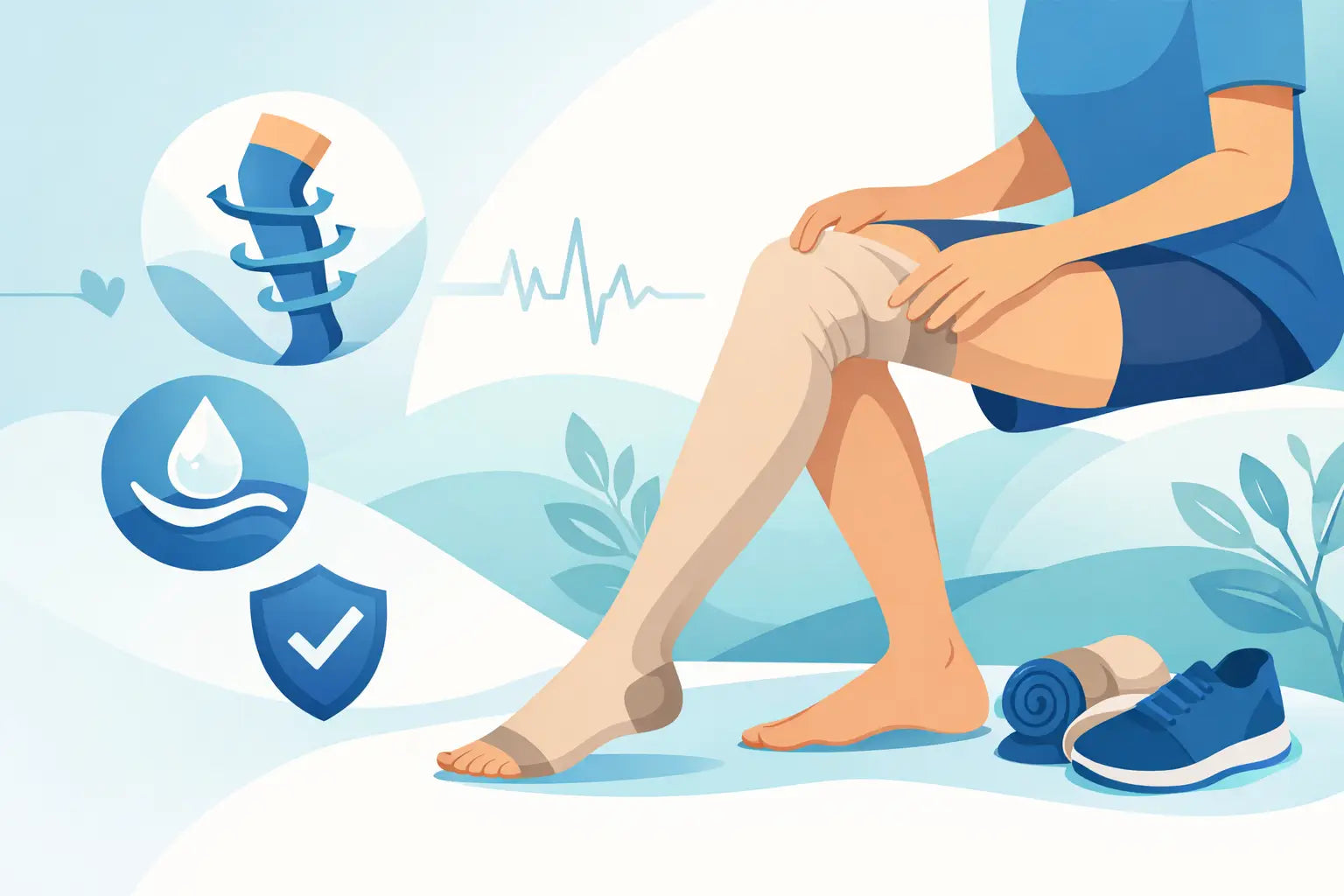
A compression stocking that bunches behind the knee, pinches at the ankle, or rolls at the top is not doing its job comfortably. Knowing how to use compression stockings correctly helps you get consistent support while protecting your skin and avoiding common fit problems.
Compression stockings are often used to help manage leg swelling, tired or heavy legs, varicose veins, and circulation-related symptoms. They may also be recommended after a procedure, during pregnancy, or for people who sit or stand for long periods. The right routine starts with the right product, proper sizing, and a quick daily skin check.
Start With the Right Compression Stocking
Not all compression garments work the same way. Many everyday compression stockings use graduated compression, meaning the pressure is firmest at the ankle and gradually decreases farther up the leg. This design can support blood flow back toward the heart and help reduce fluid buildup in the lower legs.
Compression level matters. Mild over-the-counter compression may be appropriate for occasional travel, long workdays, or mild leg fatigue. Moderate and firm compression are commonly used for more persistent swelling or vein-related concerns, but should be selected with guidance from a clinician when medical conditions are involved. Higher compression is not automatically better. A stocking that is too strong or too tight can be difficult to apply and may not be appropriate for everyone.
Choose the length your clinician recommends. Knee-high stockings are common for lower-leg swelling and everyday support. Thigh-high and waist-high styles may be needed when symptoms or treatment needs extend above the knee. Open-toe styles can be helpful if you prefer more room for the toes or want to wear sandals, while closed-toe styles offer full-foot coverage.
Before using compression stockings, ask a healthcare professional for advice if you have poor circulation, peripheral artery disease, severe neuropathy, reduced sensation in your feet, heart failure, open wounds, a skin infection, or sudden one-sided leg swelling. New leg pain, warmth, redness, or shortness of breath needs prompt medical attention rather than self-treatment with compression.
How to Measure for a Proper Fit
Correct sizing is one of the most useful steps in how to use compression stockings. Do not choose a size based only on your usual shoe size or clothing size. Medical compression stockings are sized by specific leg measurements, and each manufacturer may use a different chart.
Measure first thing in the morning, before swelling has had time to build during the day. For knee-high stockings, you will typically measure the narrowest part of the ankle, the widest part of the calf, and the distance from the floor or heel to just below the knee. Thigh-high styles require additional measurements around the thigh and leg length.
Use a flexible measuring tape and keep it flat against the skin without pulling it tight. Write the measurements down and compare them with the product’s size chart. If you fall between sizes, have an unusually shaped leg, or have significant swelling, contact your clinician or a qualified medical supply representative before ordering. A properly fitted stocking should feel snug and supportive, not painful, numb, or restrictive.
How to Put On Compression Stockings
The easiest time to apply compression stockings is early in the day, before your legs swell. Make sure your skin is clean and completely dry. Avoid applying lotion, oil, or powder right before putting on the stockings, since these products can make application harder and may affect the fabric.
Remove rings or bracelets that could snag the material. Keep fingernails smooth, and consider wearing rubber grip gloves if you have arthritis, limited hand strength, or trouble grasping the fabric. Gloves also help distribute the material evenly once the stocking is in place.
Put Them On Step by Step
Turn the stocking inside out down to the heel pocket. Do not turn the foot section completely inside out. Place your foot into the foot portion and position the heel carefully so it sits exactly at your heel.
Next, gradually pull the stocking over the ankle and up the calf. Work in small sections rather than pulling hard from the top band. Once the stocking is above the calf, smooth the fabric with your palms to remove wrinkles. For thigh-high or waist-high styles, continue working upward in the same gradual way.
The stocking should lie flat against the skin. It should not be twisted, folded, or rolled down at the top. Rolling creates a tight band that can restrict circulation and irritate the skin. If the stocking feels wrong, remove it and start again rather than trying to force it into place.
A stocking donner can make a major difference for people with reduced mobility, back pain, arthritis, or limited flexibility. These devices hold the stocking open so you can step into it and pull the handles upward. For tighter medical-grade garments, a donning aid may be more practical than relying on hand strength alone.
Wear Them on the Schedule You Were Given
Many people wear compression stockings during the day and remove them before bed. This is common because the legs are usually dependent - below heart level - while sitting or standing. Unless your clinician specifically tells you otherwise, do not sleep in compression stockings.
Your recommended schedule depends on why you are wearing them. Someone using mild compression for travel may wear them during the trip. A person managing daily swelling may need them from morning until evening. After surgery or a vein procedure, follow the instructions from your surgeon or treating clinician, since the duration and type of garment can vary.
Pay attention to comfort as you adjust. A brief snug sensation is expected, especially when you are new to compression. Pain, tingling, numbness, cold toes, discoloration, or deep marks that do not fade after removal are not signs to ignore. Remove the stockings and contact your healthcare professional for guidance.
Check Your Skin Every Day
Compression stockings should support your legs, not hide a developing skin problem. When you take them off, inspect your feet, ankles, calves, and the area behind the knees. Look for redness, blisters, broken skin, bruising, unusual swelling, or areas of pressure.
This step is especially important for people with diabetes, neuropathy, limited sensation, or fragile skin. If you cannot easily see the bottoms of your feet or lower legs, ask a caregiver or family member to help with daily checks. Do not place a compression stocking over an open wound unless your clinician has instructed you to do so as part of a wound-care plan.
Wash and Replace Compression Stockings Regularly
Daily washing helps stockings maintain their elasticity and removes skin oils that can weaken the fibers. Hand wash them in cool or lukewarm water with mild soap, then rinse thoroughly. If the manufacturer permits machine washing, use a gentle cycle and a mesh laundry bag.
Air dry the stockings away from direct heat. Avoid bleach, fabric softener, irons, and high-heat dryers, which can damage elastic fibers. Having at least two pairs makes daily wear easier - one pair can be washed and dried while the other is ready to use.
Over time, compression garments lose their ability to provide consistent pressure. Replace them when they become loose, stretched out, difficult to keep in place, or visibly worn. With frequent use, many people need replacement pairs every few months, although the exact timing depends on the garment, washing routine, and wear schedule.
When Compression Stockings Need a Professional Check
If your swelling changes suddenly, one leg becomes much larger than the other, or pain increases despite regular use, do not simply switch to a stronger stocking. Those changes may need medical evaluation. The same applies if stockings that once fit well suddenly become tight or leave pressure marks.
For clinics and caregivers, keeping accurate measurements and replacement timing in the patient record can make ongoing compression care more consistent. For home users, a simple note of your size, compression level, brand, and last replacement date can prevent guesswork when it is time to reorder.
The best compression stocking is the one you can apply correctly, wear consistently, and tolerate comfortably. If fitting or application has become a daily struggle, ask for help before giving up. The right size, level of compression, and application aid can turn a frustrating routine into dependable everyday support.