Call Us -
Cart
0
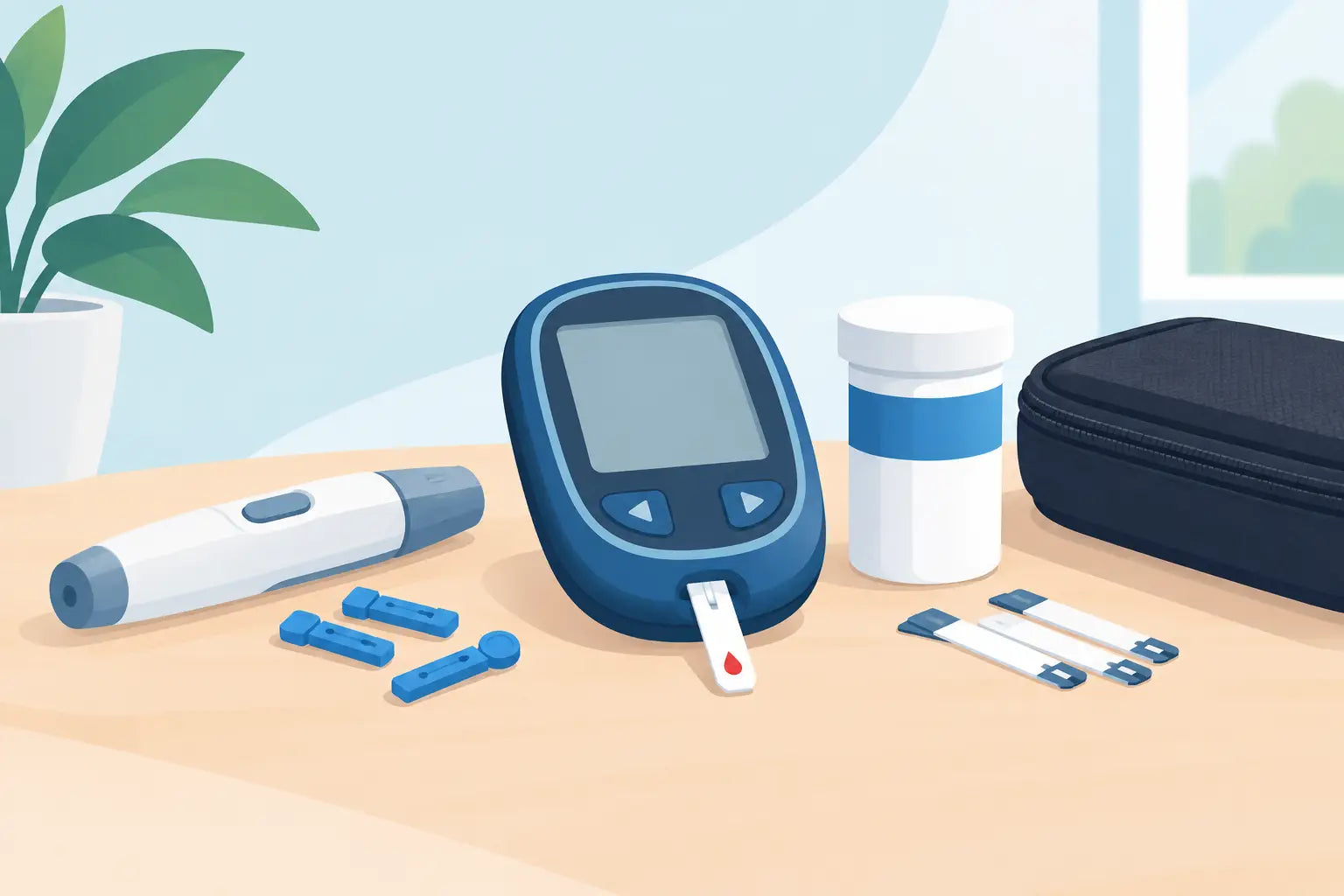
A low-blood-sugar alert is not the time to search a cabinet for a compatible test strip or a fresh lancet. The right supplies make routine diabetes monitoring simpler, more accurate, and easier to maintain. This diabetes testing supplies guide covers the everyday items patients, caregivers, and healthcare practices need to check blood glucose safely and stay prepared between orders.
Your clinician's testing plan should always come first. The number of daily checks, target ranges, and response to high or low results vary by person, medication, and diabetes type. Supplies support that plan - they do not replace medical guidance.
Start With the Right Blood Glucose Meter
A blood glucose meter reads a small drop of blood placed on a test strip. For many people, it remains a reliable daily tool whether they use insulin, take oral medication, manage gestational diabetes, or need to confirm symptoms and treatment decisions.
The best meter is usually the one you can use consistently. Look for a clear display, buttons that are easy to press, and a test-strip system that is readily available. Larger screens and simple operation can be especially helpful for seniors, people with limited hand strength, or caregivers assisting a family member.
Some meters store readings, calculate averages, flag out-of-range results, or connect to an app. Those features can be useful when reviewing patterns with a healthcare provider. They are not necessary for every user, though. A straightforward meter with affordable, easy-to-reorder strips may be the better practical choice.
Before changing meter brands, confirm that your insurance plan, prescription, or clinic protocol does not specify a preferred system. Meters and strips are not interchangeable. A strip made for one model may not work in another, even when the brands appear similar.
Meter features that affect day-to-day use
Consider where and how testing happens. A compact meter can be convenient for work, travel, and errands. A backlit screen may make early-morning or nighttime testing easier. If readings need to be shared with a caregiver or clinical team, memory capacity and data-sharing options may matter more than size.
Keep a backup plan as well. Batteries can fail, meters can be misplaced, and travel can disrupt routines. For insulin users and anyone at higher risk of hypoglycemia, a spare meter and compatible supplies can provide valuable peace of mind.
Test Strips: The Supply You Cannot Substitute
Test strips are the most frequently used part of a finger-stick testing routine. Each strip contains the materials that allow the meter to measure glucose, so matching the strip exactly to the meter model is essential.
Order enough strips to match the testing schedule, plus a reasonable reserve. If a person tests four times a day, a 30-day supply means at least 120 strips before accounting for occasional errors, repeat tests, illness, travel, or a dropped strip. Buying too few can lead to skipped checks. Buying large quantities without checking expiration dates can create unnecessary waste.
Store strips in their original container with the cap tightly closed. Heat, humidity, and leaving the container open can affect performance. Do not use strips that are expired, damaged, wet, or stored outside the manufacturer's instructions. If a result does not match symptoms or seems unusually high or low, wash and dry hands, use a fresh strip, and retest. Follow the care plan or seek medical advice when results remain concerning.
For clinics, maintaining separate, clearly labeled strip inventory by meter model helps prevent mix-ups. Staff should check expiration dates routinely and follow facility policies for quality control and point-of-care testing.
Lancets and Lancing Devices for Comfortable Testing
Lancets are small, sterile needles used to obtain a blood sample. They work with a lancing device, which controls the depth and speed of the finger stick. These supplies are simple, but choosing the right option can make regular monitoring much more manageable.
Lancets come in different gauges. In general, a higher gauge number means a thinner lancet. Thinner options may feel more comfortable, while other users may need a setting or lancet that produces a more reliable sample. Start with the lowest lancing depth that produces enough blood for the strip, then adjust only if needed.
Use a new lancet for each test whenever possible. Reusing lancets can make them duller and more uncomfortable, and it raises hygiene concerns. Lancing devices and lancets should never be shared, including among family members. In professional settings, single-use safety lancets and strict infection-control procedures are especially important.
Hands should be washed with soap and warm water, then dried thoroughly before testing. This helps remove food residue, lotions, or sugar that may interfere with a reading. If alcohol is used, let the finger dry completely. Testing along the side of the fingertip rather than directly on the pad can be more comfortable for many people.
Sharps Containers Are Part of Diabetes Care
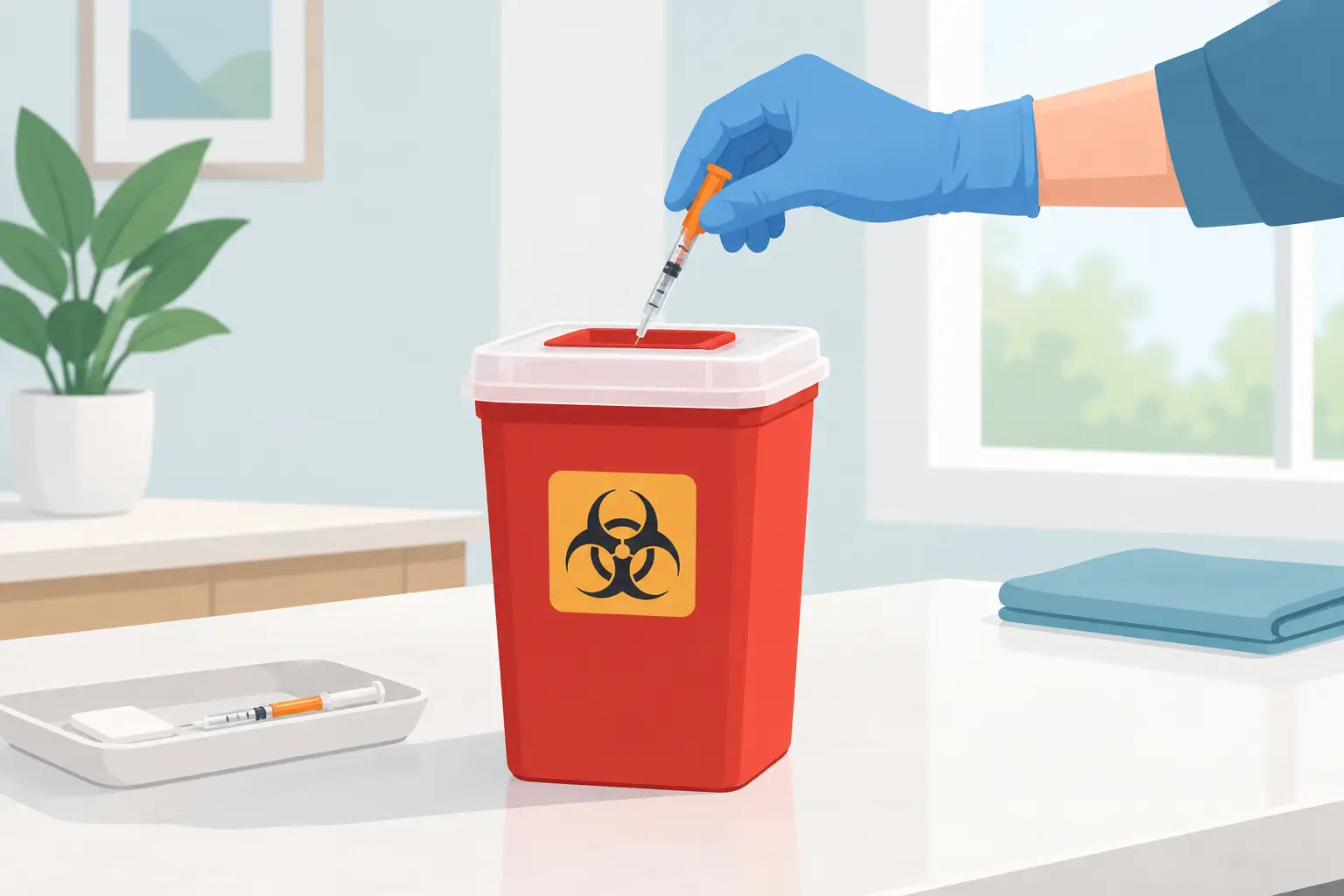
Used lancets, pen needles, syringe needles, and other sharps require safe disposal. A puncture-resistant sharps container helps protect household members, caregivers, sanitation workers, and clinical staff from accidental needle sticks.
Do not place loose lancets or needles in household trash, recycling bins, glass containers, or thin plastic bags. Use an approved sharps container and follow local disposal rules when it is ready to be closed and replaced. Requirements differ by location, so patients and practices should verify the options available in their area.
Keep the container upright and within reach of the testing or injection area, but away from children and pets. Replacing it before it becomes overfilled is safer and easier than trying to force additional sharps inside.
Helpful Add-Ons for a Complete Testing Kit
A complete kit prevents small missing items from interrupting care. For home use, keeping supplies together in a clean carrying case can reduce clutter and make travel easier. Clinics benefit from organized supply stations that allow staff to quickly identify what is needed for each patient.
Consider keeping these items with the meter and strips:
- A lancing device with compatible lancets
- Control solution, if recommended for the meter system
- Extra meter batteries or a charging cable, depending on the device
- A sharps container and alcohol wipes when appropriate
A written log can also be useful, particularly for patients who prefer paper records or need to bring clear information to appointments. Record the date, time, result, medication or meals when relevant, and symptoms. Patterns matter more than a single number, and a clear record can help the care team make informed recommendations.
Diabetes Testing Supplies Guide for CGM Users
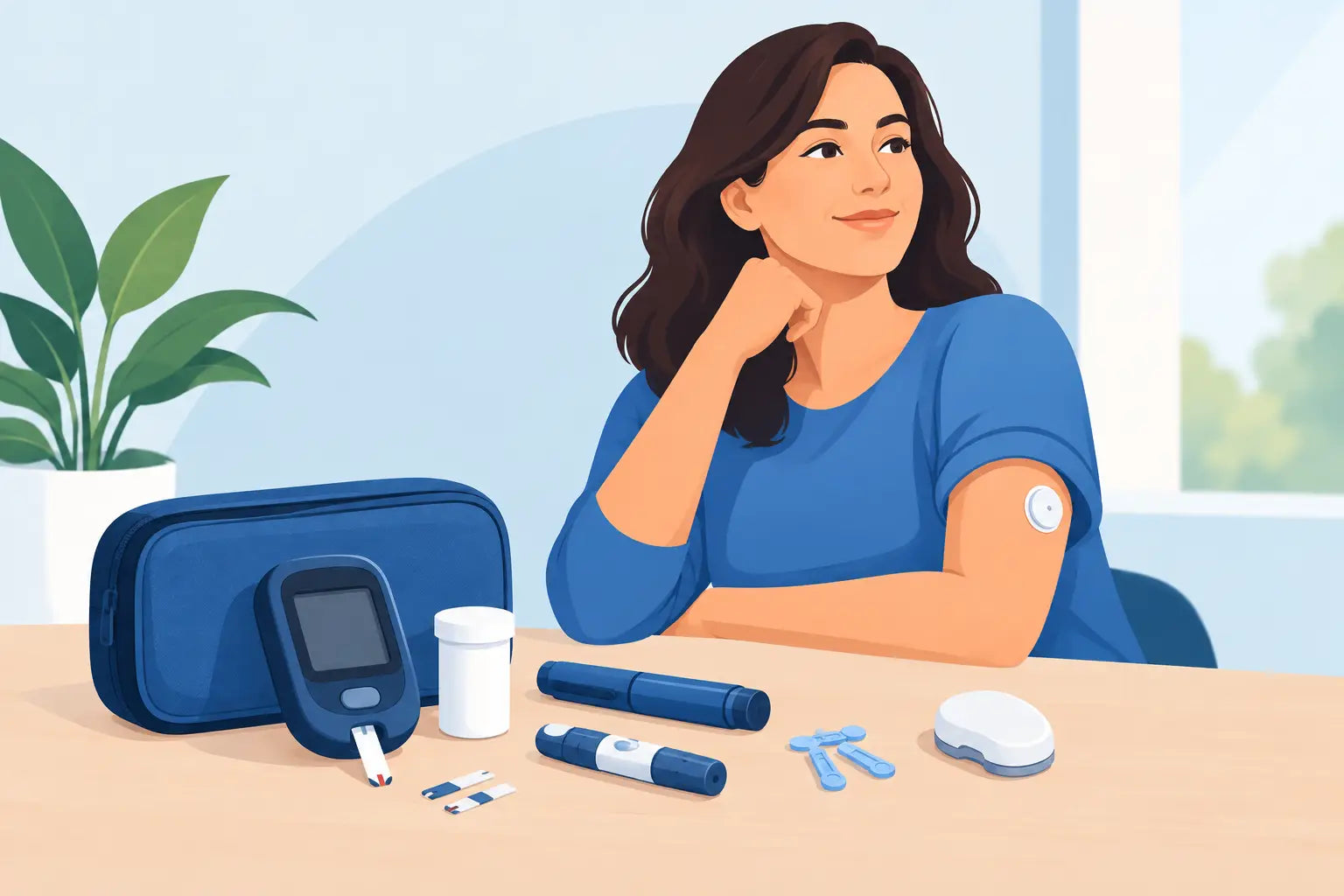
Continuous glucose monitors, often called CGMs, measure glucose levels through a sensor worn on the body. They can reduce the number of routine finger sticks for eligible users, but they do not always eliminate the need for a blood glucose meter.
Many CGM users are advised to keep a meter, strips, and lancets available for times when symptoms do not match the sensor reading, when a sensor fails, or when their device instructions call for a confirmation test. A sensor, transmitter, receiver, or compatible phone may each have separate replacement needs. Check the prescribed system carefully before reordering.
CGM supplies can offer detailed trend information, while finger-stick testing remains an accessible, dependable backup. The right choice depends on clinical needs, insurance coverage, comfort with technology, and the plan developed with a healthcare professional.
Ordering Supplies Without Running Short
Set a reorder point instead of waiting until the last strip or lancet is used. For many households, ordering when one to two weeks of supplies remain allows time for delivery, insurance processing, or a needed prescription renewal. If coverage limits the quantity of strips, ask the prescribing clinician or pharmacist what documentation may be needed for a higher testing frequency.
For caregivers, check supply levels during regular visits or weekly medication organization. For medical offices, assign responsibility for monitoring high-use items, expiration dates, and compatible product lines. Consistent inventory prevents avoidable gaps in patient care.
US MedResources supports home users and healthcare practices with practical diabetes care supplies delivered directly where they are needed. Choose compatible products, keep a backup supply on hand, and call your healthcare provider when readings, symptoms, or equipment concerns do not make sense.