Call Us -
Cart
0
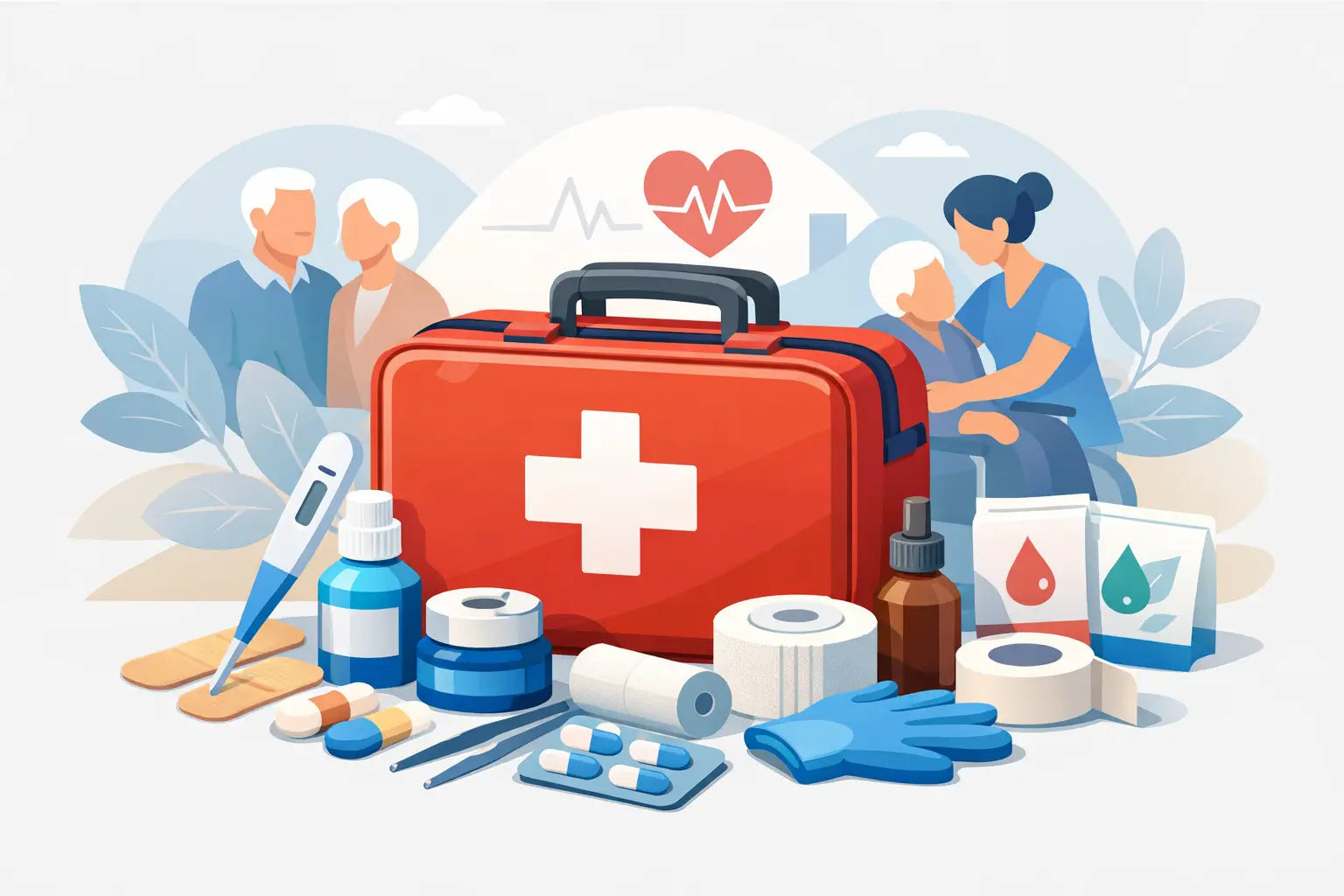
A scraped elbow during a transfer, a skin tear from fragile skin, a mild kitchen burn, a dizzy spell that turns into a fall - these are the moments when a well-stocked first aid kit for caregivers stops being a nice idea and becomes part of everyday care. If you support an aging parent, a recovering spouse, or a patient at home, the right kit helps you respond quickly and stay organized without scrambling through drawers.
Caregiving rarely happens under ideal conditions. It happens before breakfast, after appointments, in the middle of the night, and often while you are juggling medications, mobility support, meals, and follow-up instructions. That is why your first aid supplies should match the real needs of the person you care for, not just a generic travel kit designed for occasional use.
What makes a first aid kit for caregivers different
A standard household first aid box usually covers minor cuts and headaches. A caregiver kit needs to do more. It should support common home care situations such as skin protection, wound coverage, temperature checks, safe cleanup, and basic monitoring after a minor incident.
It also needs to be easy to use under stress. Clear labeling matters. So does keeping supplies in predictable sections. If multiple family members or aides help with care, everyone should know where gloves are stored, which dressings are for small cuts, and where to find a digital thermometer or instant cold pack.
For many households, the best setup is not one oversized box stuffed with random items. It is a practical kit with high-use essentials, plus a nearby backup area for larger quantities and condition-specific supplies. That approach helps prevent waste and makes restocking much easier.
The core supplies every caregiver kit should include
The foundation of a strong caregiver first aid kit starts with wound care basics. Adhesive bandages in assorted sizes are useful, but they should not be the only dressing option. Nonstick pads, sterile gauze, rolled gauze, and medical tape are often more useful for older adults and anyone with delicate skin.
Skin tears are common in seniors, especially on the arms and lower legs. In those cases, a regular adhesive bandage may do more harm than good when removed. Soft, non-adherent dressings and gentle tape are a better fit. If the person in your care has very fragile skin, your kit should reflect that reality.
Disposable gloves are another essential. They protect both the caregiver and the patient during wound care, cleanup, or any situation involving bodily fluids. Hand sanitizer, antiseptic wipes, and saline wound wash also belong in the kit because cleaning the area properly is usually the first step before any dressing goes on.
You should also keep basic tools within reach. A digital thermometer, blunt-tip scissors, tweezers, and a small flashlight are practical choices. These are not dramatic items, but they are the tools people look for first when something goes wrong. An instant cold pack can also help with minor bumps, bruises, and swelling after a low-impact fall.
Pain and comfort support may be part of the kit too, depending on the care plan. That can include over-the-counter fever or pain relief if approved by the patient’s physician. The key is not to toss in every medicine you have at home. Only include products that are appropriate for the person receiving care, and keep them clearly separated from wound supplies.
A first aid kit for caregivers should match the condition
The right kit depends on who you are caring for. A caregiver supporting someone after surgery will need different supplies than someone helping a parent with diabetes, limited mobility, or chronic skin issues.
For post-surgical care, extra gauze, dressing retention supplies, and gloves may run out faster than expected. For a person with diabetes, foot care supplies and skin monitoring tools may matter more. For someone with incontinence, barrier creams, cleansing wipes, and disposable underpads can be just as important as bandages.
Mobility changes the picture too. If the person you care for uses a walker, cane, wheelchair, or transfer bench, your kit should prepare you for minor bruises, scrapes, and skin irritation from friction or accidental contact. If falls are a concern, it also helps to store emergency contact information and provider instructions with the kit.
This is where many caregivers get stuck. They buy one prepacked box and assume it covers everything. Sometimes it does for a while, but long-term care usually calls for a more specific setup. Building around the patient’s diagnosis, age, mobility level, and skin condition is the smarter move.
Storage matters as much as the supplies
Even a well-stocked kit is not very helpful if no one can find what they need. Keep the main kit in a dry, easy-to-reach place that is known to everyone involved in care. A bathroom medicine cabinet is often a poor choice because heat and humidity can affect some products, and space is usually limited.
Many caregivers do better with a handled storage case or compartment organizer kept in the kitchen, hallway closet, or bedroom care area. If care happens on more than one floor, a second small kit upstairs may save time during urgent moments.
Label sections in plain language. Wound care, gloves, monitoring tools, skin care, and approved medications are simple categories that make sense fast. If vision is an issue for the caregiver or patient, larger labels help.
A grab-and-go version is also worth considering. If you attend frequent appointments, provide care away from home, or transport a family member often, a smaller travel kit can handle minor issues without taking apart the main supply area.
What caregivers often forget to include
The missing items are usually not dramatic. They are the things used up quickly or overlooked until the moment they are needed. Extra batteries for the thermometer, a printed medication list, emergency phone numbers, and physician contact information are all useful additions.
A notepad and pen can help you record temperature, symptoms, time of injury, or when medication was given. That may sound basic, but details are easy to forget during a stressful situation. If the patient has allergies, blood thinner use, diabetes, seizure history, or other key risks, keep that information visible inside the kit.
It is also smart to include a face mask or two, especially in homes where respiratory symptoms or infection control are part of routine care. If wound care is frequent, disposable aprons or additional protective barriers may also make sense.
When to buy a premade kit and when to build your own
Premade kits are useful if you need a starting point fast. They can cover the basics and help new caregivers avoid missing obvious essentials. That said, many generic kits are light on dressings, gloves, and skin-friendly supplies. They tend to work better as a base than as a complete answer.
A custom-built kit usually makes more sense for ongoing home care. It lets you choose the quantities you actually use and the products that fit the patient’s condition. That matters when supplies need to be replaced regularly or when standard bandages and tapes are not a good fit.
For clinics, home health professionals, and family caregivers managing repeated care tasks, dependable access to refills matters just as much as the first purchase. Running short on gloves, gauze, or cleansing supplies creates avoidable problems. A medical supply partner with broad category coverage can make restocking simpler and more predictable.
How often to check your kit
A caregiver first aid kit is not something you assemble once and forget. Check it at least once a month. Replace expired items, restock high-use supplies, and remove products that no longer match the current care plan.
A change in condition should trigger a review too. If the patient starts using oxygen, develops skin breakdown, begins post-op recovery, or becomes more prone to falls, the kit should be updated right away. Care needs shift, and the supplies should shift with them.
If more than one person provides care, make kit checks part of the routine. A quick review during a weekly handoff can prevent confusion and shortages. Simple systems are usually the most reliable.
Readiness is part of good care
The best first aid kit for caregivers is not the biggest one. It is the one that fits the patient, supports the caregiver, and stays ready for real use. That means choosing practical supplies, storing them where they are easy to reach, and restocking before small problems turn into urgent ones.
At home or in a professional care setting, preparedness builds confidence. If you are reviewing your current setup, now is a good time to replace gaps, organize what you already have, and keep the right medical essentials close at hand. US MedResources is built to help caregivers and providers get the supplies they need, delivered directly to the door, so care can keep moving without unnecessary delays.