Call Us -
Cart
0
A scraped knee is simple until it starts weeping through a bandage at 9 p.m. A surgical incision is manageable until you realize you are missing the right dressing size. That is why having the best wound care supplies for home matters - not as a nice extra, but as part of staying prepared for everyday injuries, recovery, and ongoing care.
Home wound care does not need to be complicated, but it does need to be organized. The right supplies help protect the wound, support healing, and make dressing changes less stressful for the person receiving care and the caregiver doing it. The wrong supplies can do the opposite - they can stick, leak, irritate skin, or leave you making do with products that are not intended for the wound type.
What the best wound care supplies for home actually include
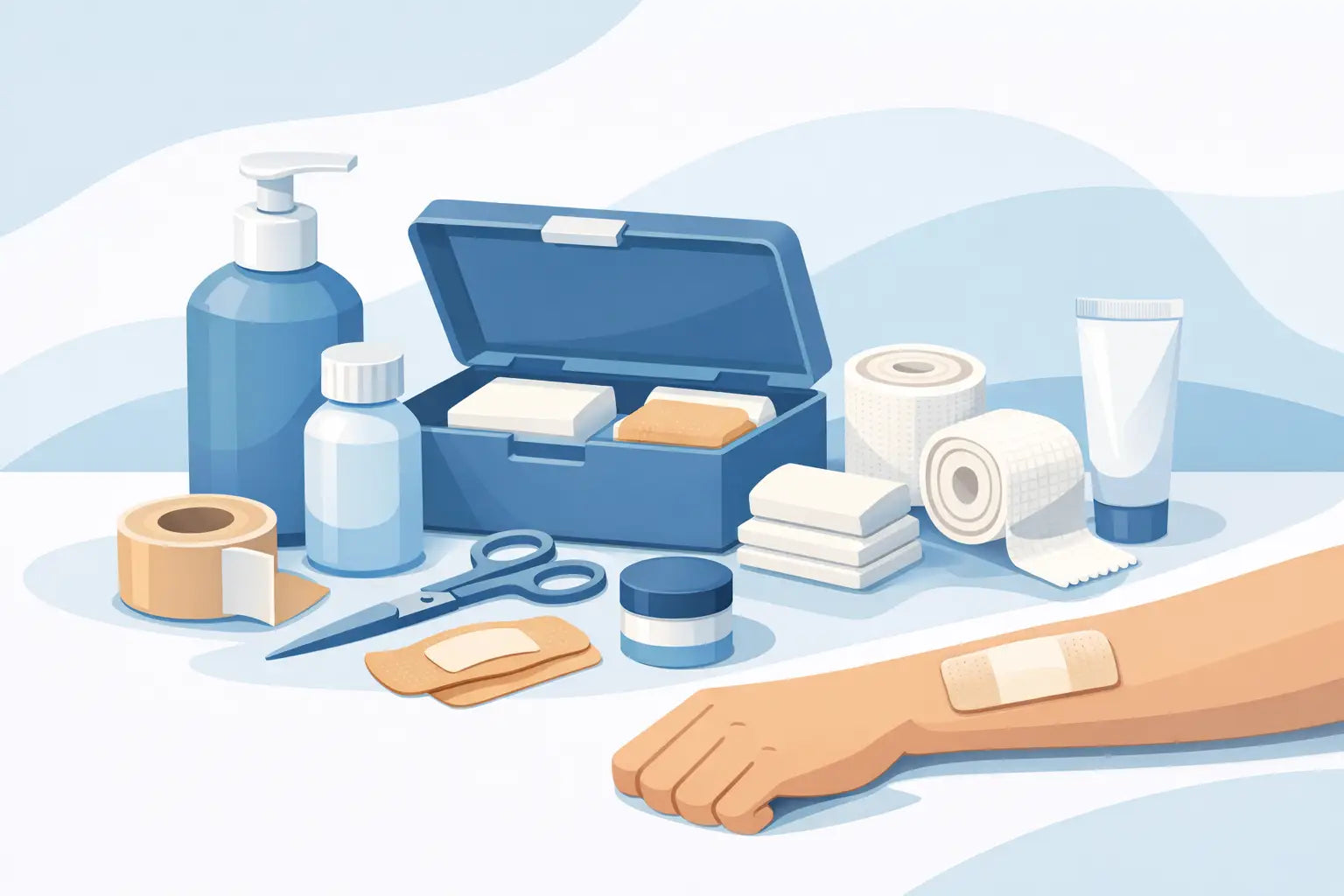
The best home setup usually starts with a few core categories instead of one all-purpose product. Most households do well with wound cleansers, gauze, non-adherent dressings, adhesive bandages, medical tape, gloves, and a few absorbent options for wounds that drain more heavily.
That said, not every wound needs the same approach. A minor cut may only need cleansing and a simple covering. A skin tear on older, fragile skin may need a gentler dressing that will not pull at the surrounding area. A post-procedure site may require sterile gauze and more careful dressing changes. If you are managing a chronic wound under clinician guidance, the supply list may become much more specific.
Start with wound cleansing supplies
Cleaning the wound properly is one of the first steps in home care. Saline solution and wound cleansers are generally the most practical choices for rinsing debris and preparing the area for a fresh dressing. They are made for this purpose and are easier on tissue than harsh household products.
This is one area where more is not always better. Many people still reach for hydrogen peroxide or alcohol because it feels like a stronger clean. In reality, those products can irritate healthy tissue and may slow healing when used repeatedly on open wounds. For basic home care, gentle cleansing is usually the better choice.
If you are building a home supply kit, choose a wound cleanser that is easy to apply and store. For caregivers handling regular dressing changes, convenience matters. When supplies are simple to use, care is more consistent.
Dressings that protect without causing more damage
A good dressing does two jobs at once. It protects the wound from outside contamination and supports the healing environment underneath. The right choice depends on size, drainage, and skin sensitivity.
Adhesive bandages are useful for small cuts, blisters, and minor abrasions. They are quick and familiar, but they are not ideal for every situation. If a wound is larger, drains more, or sits on delicate skin, a standard bandage may not stay in place well or may be uncomfortable to remove.
Non-adherent dressings are often one of the best wound care supplies for home because they help cover the wound without sticking directly to the healing surface. That makes dressing changes easier and can reduce pain. They are especially helpful for skin tears, burns, surgical sites, and wounds where you want coverage without trauma at removal.
Gauze pads remain a staple because they are flexible and available in many sizes. Sterile gauze is a strong choice for covering cleansed wounds, adding absorption, and creating a clean barrier. For wounds with more drainage, combine gauze with an absorbent secondary dressing as directed by a healthcare professional.
When absorbency matters
One of the most common reasons home wound care becomes frustrating is drainage. A dressing that is too light may leak quickly, require constant changes, and expose skin to moisture. A dressing that is too heavy for a dry wound may be unnecessary and uncomfortable.
Absorbent pads and foam-style dressings are worth having on hand when you expect moderate drainage. They can help manage fluid more effectively than basic bandages alone. This is especially useful during recovery from procedures, after injury, or with wounds that need a little more support between changes.
There is a trade-off here. More absorbency can mean more bulk. For a wound on the lower leg or a joint, that may affect comfort or mobility. In those cases, it helps to think beyond the wound itself and consider where it sits, how often the person moves, and whether the dressing needs to fit under clothing or compression.
Tape, wrap, and securement supplies
Even a good dressing fails if it will not stay put. Medical tape is a basic supply, but it is not one-size-fits-all. Paper tape can be gentler for sensitive skin. More secure tapes may hold better in high-movement areas, but they can also be harder to remove.
Self-adherent wrap can be useful when tape is not the best option. It helps secure dressings around arms, legs, or other places where adhesive alone may not hold well. It is also a practical choice for people with skin that tears easily.
If you are caring for an older adult, securement matters as much as the dressing. Fragile skin can be injured by frequent tape removal, so gentler options often make a real difference over time.
Gloves, scissors, and the small items that make care easier
Some of the best wound care supplies for home are not dressings at all. Disposable gloves help keep dressing changes cleaner. Bandage scissors make it easier to cut gauze, tape, and wrap to the right size. Cotton-tipped applicators can help with precise application when a clinician has recommended a specific product.
These items may seem secondary until you need them. A well-stocked supply area saves time and lowers the chance of improvising with household substitutes that are less clean or less effective. For caregivers managing repeat dressing changes, that convenience is part of the value.
Supplies for sensitive or high-risk situations
Some wounds call for more caution. If the person has diabetes, poor circulation, fragile skin, reduced mobility, or a history of slow healing, home care should be more deliberate from the start. In these situations, dressing choice and skin protection become even more important.
Barrier creams or skin protectants may help protect the surrounding skin from moisture and adhesive-related irritation. Gentle dressings can reduce trauma during changes. Sterile products may be preferred more often, particularly when instructed after a procedure.
This is also where it pays to buy from a medical supply source rather than relying on a random general retailer. Product consistency, proper category selection, and dependable availability matter when care is ongoing. For families and providers who need reliable restocking, that difference is practical, not cosmetic.
How to choose the best wound care supplies for home
Start with the most likely needs in your household. If you want a basic first-aid setup, focus on cleansers, adhesive bandages, gauze, tape, and gloves. If you are preparing for recovery after a procedure, add non-adherent dressings and more absorbent options. If you are caring for someone with delicate skin or chronic conditions, choose gentler securement and skin-protective products.
Then think about frequency. If dressing changes will happen once in a while, a small stock may be enough. If care is ongoing, it makes sense to keep a deeper supply of the items used most often. Running out of the right pad or tape in the middle of the week creates avoidable stress.
Storage matters too. Keep wound supplies together in a clean, dry location where they are easy to reach. Check package sizes, expiration dates, and whether the products are sterile. A supply closet is only helpful if the contents are still usable when you need them.
When home care is not enough
Even the best home wound supplies do not replace medical evaluation. If a wound is deep, heavily contaminated, increasingly red, warm, swollen, foul-smelling, or not improving, it is time to contact a healthcare professional. The same goes for uncontrolled bleeding, signs of infection, or wounds in people with diabetes or poor circulation that are not progressing well.
Home care works best when the wound is appropriate for home management and the supplies match the task. Good products support good care, but they are part of the process, not the whole answer.
For households, caregivers, and clinics supporting recovery outside the office, the goal is simple: keep the right wound care essentials close at hand, choose products that fit the wound and the person, and make dressing changes easier to manage. That kind of preparation brings more confidence to everyday care, and when supplies are delivered directly to your door, staying ready becomes a lot more realistic.