Call Us -
Cart
0
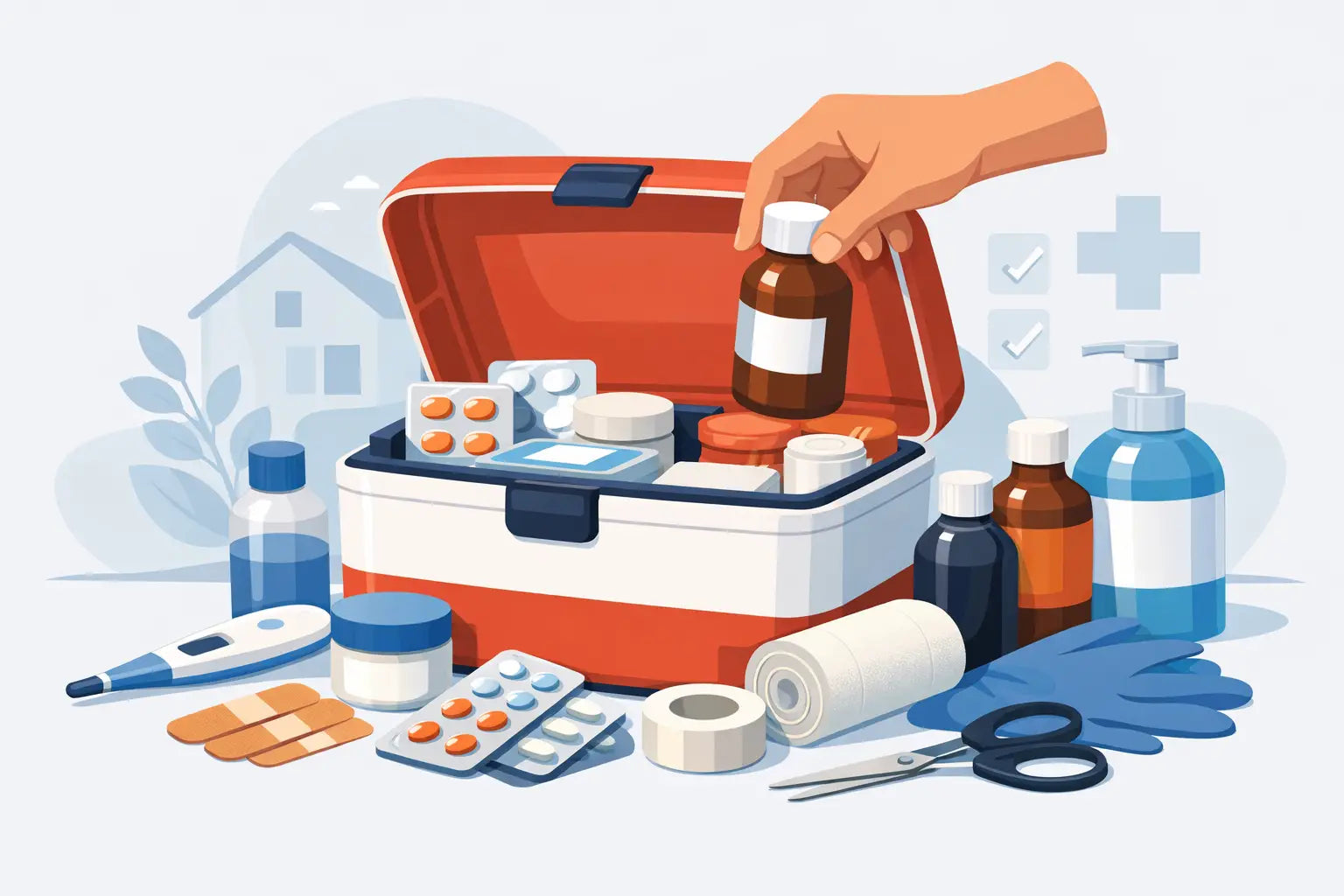
A missing adhesive bandage is inconvenient. A first aid kit with dried-out wipes, expired ointment, and no gauze can become a real problem when someone is bleeding, burned, or recovering at home. This home first aid restock list helps you check what you have, replace what is no longer usable, and keep practical supplies within reach.
A well-stocked kit is not a substitute for emergency care, professional medical advice, or prescribed treatment. It is a ready supply of basic tools for minor injuries and the first few minutes of an urgent situation. For households managing diabetes, mobility limitations, chronic wounds, or post-surgical recovery, the right inventory may need to go beyond a standard store-bought kit.
Start Your Home First Aid Restock List With a Full Check
Put all first aid supplies on a clean, well-lit surface before ordering replacements. Check expiration dates on medications, saline, antiseptic products, eye wash, creams, and disposable items. Discard products that are expired, leaking, dried out, discolored, damaged, or no longer in their original labeled packaging.
Pay attention to items that may not carry a clear expiration date. Adhesive bandages can lose their seal, elastic wraps can lose stretch, and sterile packages should be replaced if they are torn, wet, opened, or heavily crushed. Batteries in flashlights, thermometers, and other powered devices deserve a check as well.
As you review the kit, separate supplies into three groups: items to replace now, items that are still in good condition, and supplies your household uses often enough to keep extras on hand. This avoids buying duplicates while making sure the products you need most are not limited to a single remaining piece.
Core Wound Care Supplies to Replace
Most at-home first aid needs involve cuts, scrapes, blisters, minor burns, or skin tears. Your restock should include supplies that clean the area, help control bleeding, protect the wound, and support a clean dressing change.
Keep a range of adhesive bandage sizes rather than relying on one box of small strips. Fingertip, knuckle, fabric, and larger bandages each have a purpose. For wounds that need more coverage, include sterile gauze pads in several sizes, rolled gauze, non-adherent pads, medical tape, and a self-adherent wrap.
Cleaning supplies should be simple and skin-appropriate. Sterile saline wound wash is useful for rinsing dirt and debris. Antiseptic wipes can be convenient for intact skin around a minor injury, but may sting and are not appropriate for every wound. Follow product instructions and any clinician guidance, especially for chronic wounds, deep wounds, surgical sites, or fragile skin.
A pair of blunt-tip scissors, disposable gloves, tweezers, and a cold pack complete the basics. Gloves reduce contact with blood and body fluids. Tweezers are helpful for a superficial splinter, but do not attempt to remove deeply embedded objects. If bleeding does not stop with firm direct pressure, or a wound is deep, gaping, contaminated, or caused by an animal bite, seek prompt medical care.
Medications and Symptom Relief: Check Before You Restock
Over-the-counter medicines can be useful in a home kit, but they require more caution than bandages. The best selection depends on household age, health conditions, allergies, and current prescriptions. Read labels every time, follow dosing directions, and keep products in their original containers.
Consider checking your supply of pain and fever relievers, allergy medication, antacid, anti-itch cream, hydrocortisone cream, and burn gel or ointment if these are appropriate for your household. Do not assume adult products are suitable for children. Avoid keeping loose pills in a general first aid box, where labeling can be lost or medicines can be mistaken for something else.
Prescription medications, epinephrine auto-injectors, inhalers, glucose products, and other condition-specific treatments deserve their own restock schedule. These items are not optional add-ons for the people who rely on them. Keep them accessible, monitor expiration dates, and follow your prescriber's instructions for storage and replacement.
Add Tools That Help You Make Good Decisions
A few basic tools can make an at-home situation easier to assess. A digital thermometer should be reliable, clean, and supplied with covers if the model uses them. For families with children or adults who have respiratory conditions, a pulse oximeter may be useful when a clinician has advised its use, but numbers should always be considered alongside symptoms and professional guidance.
Include a flashlight with fresh batteries, a first aid instruction guide, and a written list of emergency contacts. Add your primary care provider, pediatrician, pharmacy, poison control, and local emergency numbers. If someone in the household has a serious allergy, seizure condition, diabetes, heart condition, or other medical concern, make sure caregivers know where their specific supplies and care instructions are kept.
For home care after surgery or injury, a blood pressure monitor, mobility aid accessories, skin barrier products, or dressing supplies may also belong nearby. These are not universal first aid items, but they can prevent stressful last-minute shortages for people following a care plan at home.
Organize Supplies for Fast Access
The best home first aid restock list will not help much if supplies are scattered across bathroom drawers, kitchen cabinets, and the car. Choose a durable container that is easy to carry, clearly labeled, and stored away from heat, moisture, and direct sunlight. A high cabinet may be appropriate for medicines, but a kit should still be reachable by responsible adults and older children who know how to use it.
Keep wound care supplies together in clear pouches or small labeled containers. Store gloves, gauze, tape, and bandages where they can be seen at a glance. Place frequently used supplies toward the front. If you care for a family member with a recurring medical need, consider a separate, clearly marked supply bin so specialty products do not get used up during routine first aid.
A second compact kit can be worthwhile for the car, workplace, or travel bag. It does not need to match the home kit exactly. Focus on bandages, gauze, wipes, gloves, a cold pack, and any essential personal medications that must travel with the person who uses them.
Know When a First Aid Kit Is Not Enough
Restocking supplies supports preparedness, but it should never delay emergency treatment. Call 911 for trouble breathing, chest pain, signs of stroke, severe allergic reaction, uncontrolled bleeding, loss of consciousness, serious burns, suspected poisoning, or a major injury. For a possible poisoning, contact poison control right away and follow its instructions.
Get medical advice for wounds that may need stitches, show signs of infection, involve an embedded object, or do not improve as expected. Redness that spreads, increasing pain, warmth, swelling, pus, fever, or red streaks can signal infection. People with diabetes, poor circulation, immune suppression, or a history of slow-healing wounds should contact a healthcare professional early for foot injuries and skin breaks.
Make Restocking a Routine, Not a Reaction
Choose a simple schedule that fits your household. A full check twice a year works well for many families, while high-use supplies may need a monthly review. Check after vacations, sports seasons, home projects, illness, or any time you use several items at once.
Write the date of each review on the outside of the kit and keep a short replacement note inside. That small habit turns restocking from a stressful errand into a quick, predictable task. US MedResources can help you keep everyday first aid, wound care, and home health supplies delivered directly to your door, so your kit is ready before you need it.