Call Us -
Cart
0
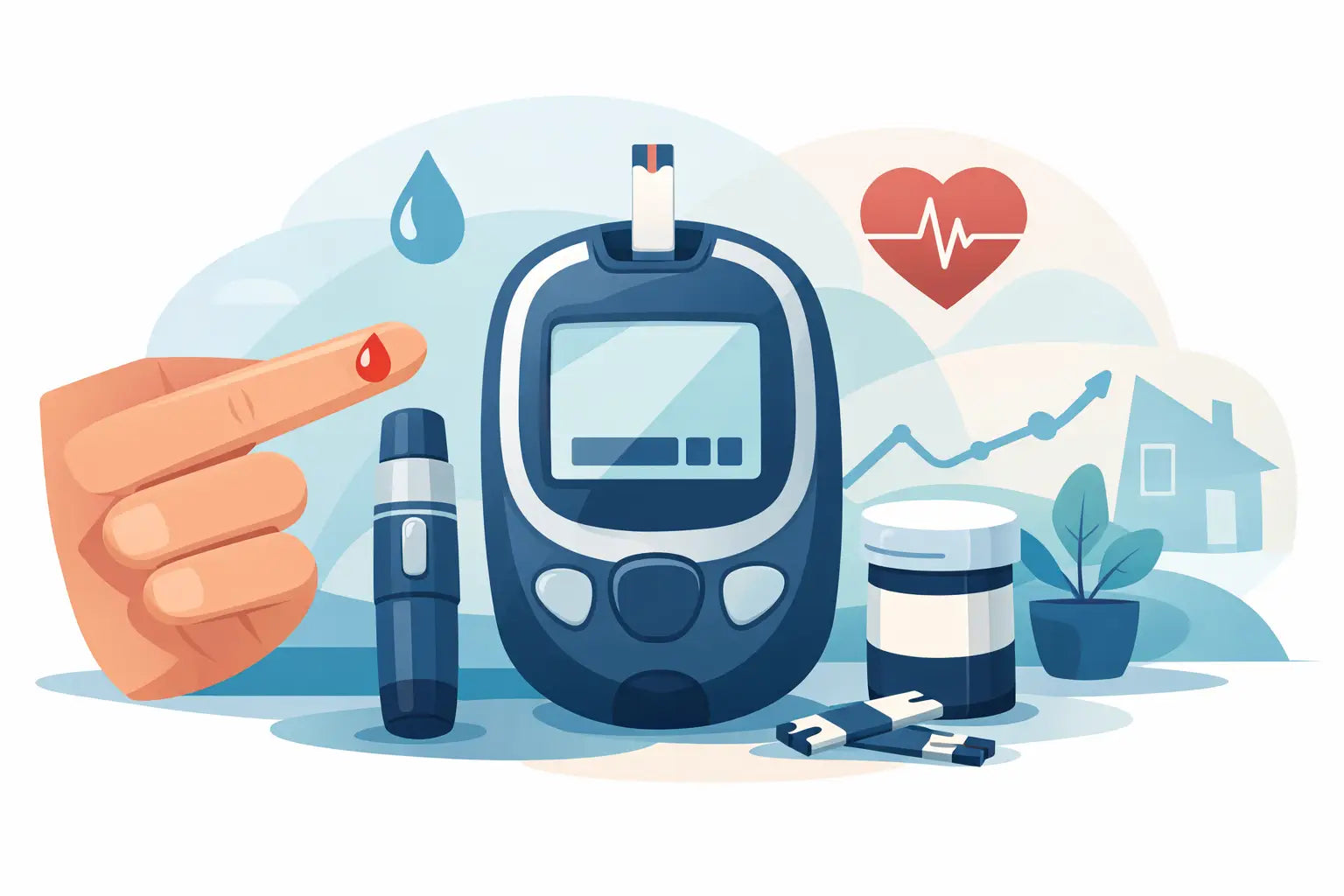
A blood glucose meter review should do more than point to the monitor with the largest screen or the lowest upfront price. For daily diabetes care, the right meter is the one you can use correctly, read easily, and afford to keep supplied with test strips. For clinics, consistency, workflow, and patient teaching needs matter just as much.
A blood glucose meter measures the amount of glucose in a small drop of blood, usually from a fingertip. That result can help a person follow a care plan, understand how meals or activity affect glucose, and recognize when it may be time to contact a healthcare provider. The meter itself is only one part of the system. Test strips, lancets, lancing devices, storage habits, and proper technique all affect the experience.
What a Blood Glucose Meter Review Should Measure
The best meter depends on who will use it and how often. A compact device may be a good fit for an active adult who tests away from home. A larger monitor with a backlit display and simple buttons may be better for a senior, someone with reduced vision, or a caregiver helping another person test.
Start with the factors that influence day-to-day use:
- Accuracy and approved use: Choose a meter and compatible strips intended for blood glucose monitoring and follow the manufacturer instructions exactly. Home meters are useful monitoring tools, but they do not replace medical evaluation when symptoms and results do not match.
- Ongoing strip availability and cost: Test strips are the recurring purchase. A low-cost meter can become expensive if its strips are difficult to find or do not fit the household budget.
- Ease of handling: Consider strip insertion, button size, required blood sample size, result time, and whether the device needs coding or setup steps.
- Display and memory: Clear numbers, lighting, date-and-time stamps, and stored results can make routine tracking easier. Some users prefer a basic meter; others benefit from app connectivity or downloadable reports.
- Care setting: A home user may prioritize portability. A professional practice may need dependable supply access, straightforward training, infection-control procedures, and a process for documenting readings.
Accuracy Starts With the Whole Testing System
It is reasonable to expect reliable results from a properly used glucose meter. But a number on the screen can be affected by more than the device. Expired or improperly stored strips, an insufficient blood drop, residue on the hands, or testing in extreme temperatures can lead to misleading readings.
Wash and dry hands before testing. Food, lotion, or sugar residue on the fingers can affect a sample. Use a fresh lancet as directed, insert the correct strip for the meter, and check that strips are within their expiration date. Keep the strip container closed when not in use and store supplies according to the manufacturer guidance.
If a reading is unexpected, repeat the test with clean, dry hands and a new strip. Follow the instructions provided by the prescribing clinician or diabetes care team for high, low, or concerning results. Seek urgent medical help for severe symptoms, confusion, loss of consciousness, trouble breathing, or symptoms that feel serious, regardless of what a meter displays.
Some meters support quality checks with control solution. This is especially useful when opening a new vial of strips, when the meter has been dropped, or when results seem questionable. In a clinic setting, routine quality-control practices should follow the facility’s policies and the device instructions.
When a Larger Display Is Worth It
A small meter can fit easily in a purse, pocket, or travel kit. That convenience is valuable, but tiny screens and narrow strips can be frustrating for users with arthritis, neuropathy, tremors, or limited vision. A larger display, high-contrast numbers, and tactile buttons may prevent testing errors and reduce dependence on a caregiver.
Audible prompts can also help, though they are not necessary for everyone. Before choosing, think about the testing environment. Someone who often tests at night may benefit from a lit screen. Someone who travels may value a protective case and easy battery replacement more than advanced data features.
Test Strips Are the Long-Term Decision
Many buyers focus on the meter price and overlook the supplies required to use it. Every reading requires a compatible strip, and meter strips are not interchangeable across brands or models. Before selecting a system, confirm that replacement strips and lancets will be easy to order when needed.
For a person testing once a day, a modest supply may last for weeks. For someone checking before meals, after meals, around exercise, or during medication changes, usage can increase quickly. A clinic may need a more predictable inventory plan, especially when supporting multiple patients.
It also helps to keep a backup supply on hand rather than waiting until the last strip is used. Running out of strips can interrupt a monitoring routine at the worst time. Store unopened and opened supplies in a clean, dry place away from excessive heat, cold, and humidity.
Features That Help Without Adding Confusion
Modern glucose meters range from basic monitors to connected systems that send readings to a phone or create trend reports. More features are not always better. The useful choice is the one that supports the user’s actual care routine.
Memory storage can help identify patterns over time, particularly when readings are reviewed during appointments. Meal markers can add context if the user consistently labels results. Bluetooth connectivity may make sharing data easier for a caregiver or clinician, but it also introduces app setup, phone compatibility, and privacy considerations.
For many home users, the most practical feature is not wireless technology. It is a meter that turns on reliably, accepts a strip easily, gives a readable result quickly, and has replacement supplies available. A straightforward system is often easier to teach and easier to continue using.
A Practical Setup for Home Testing
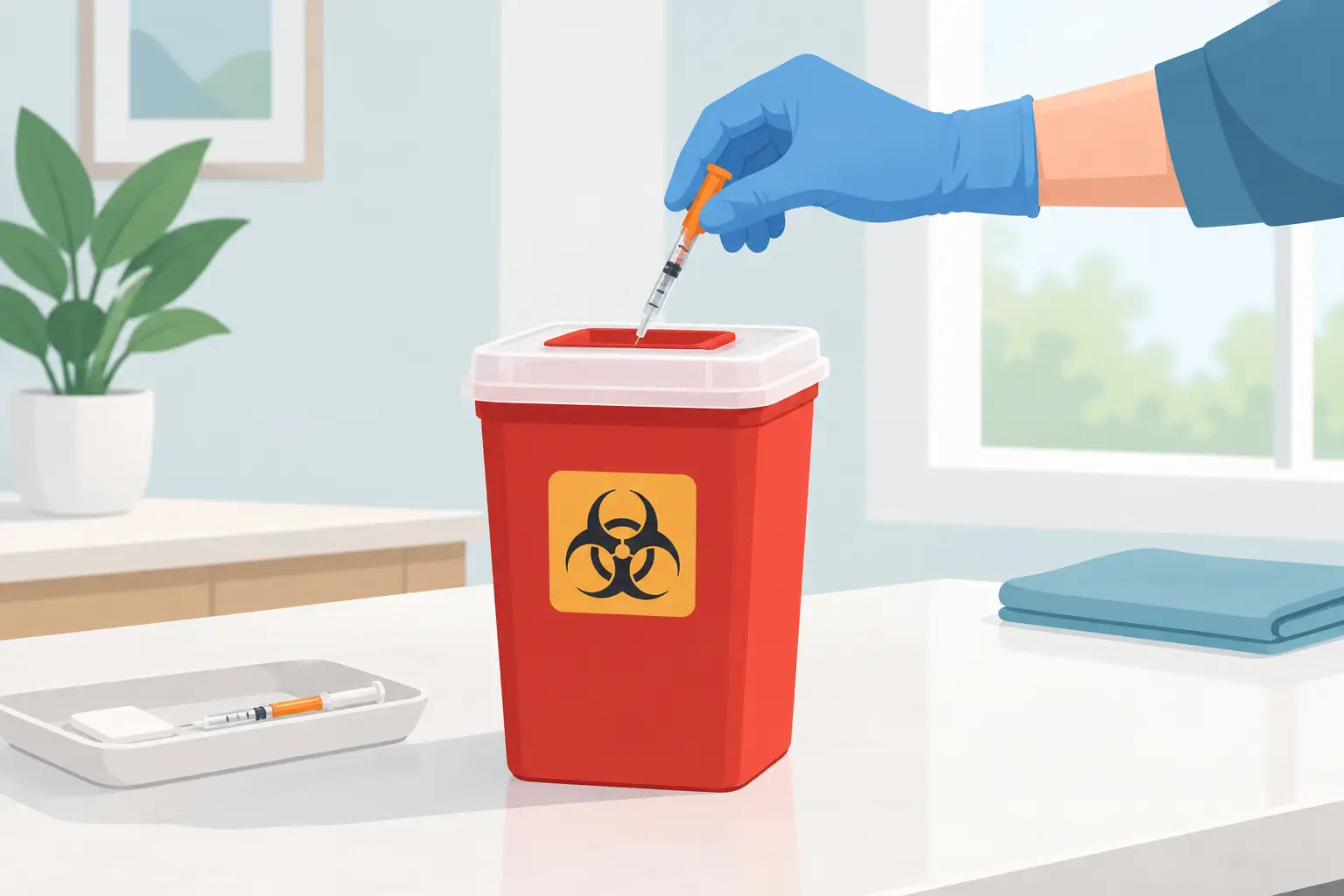
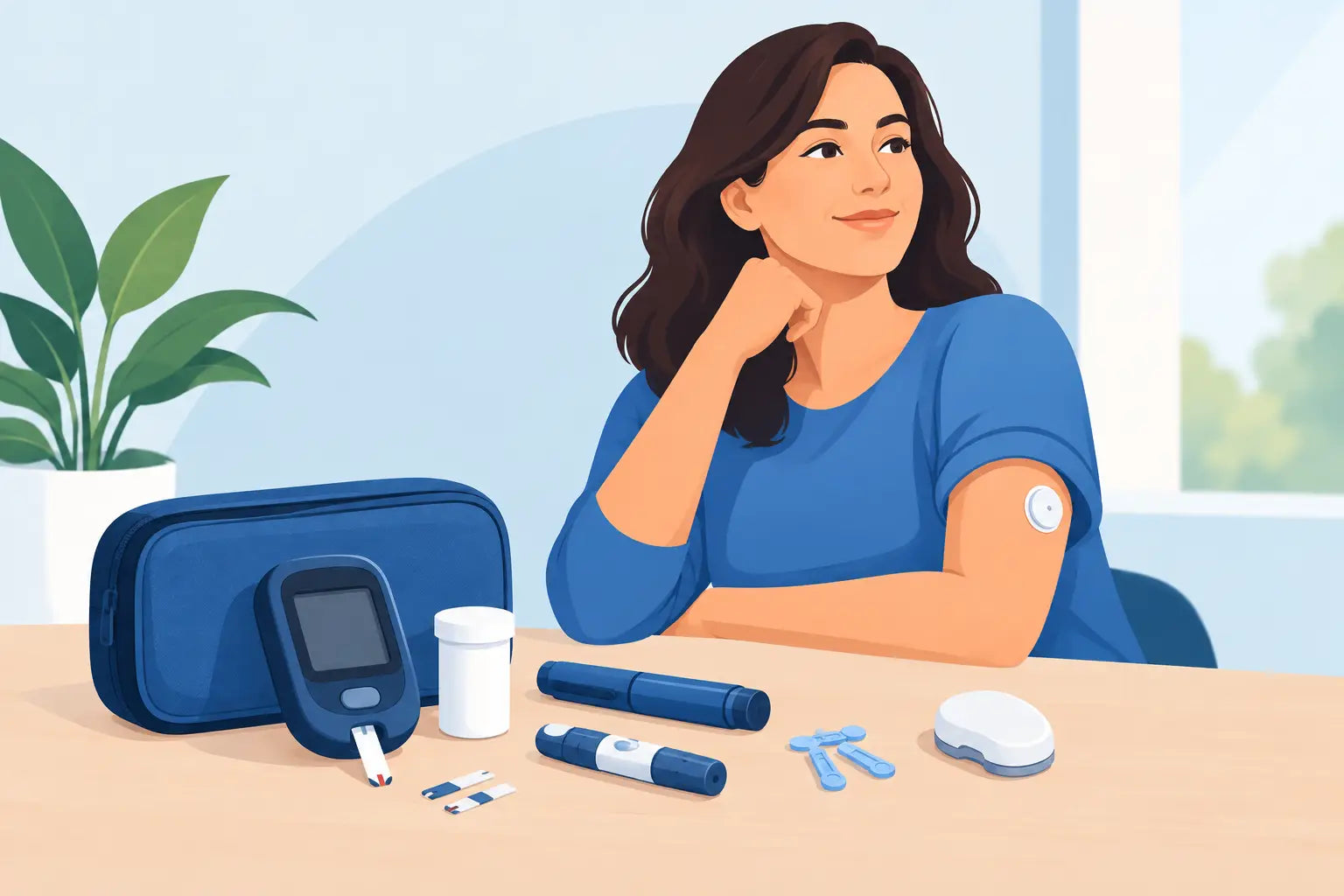
A complete home testing kit typically includes the meter, compatible strips, a lancing device, lancets, and a case. Control solution may be included or purchased separately depending on the system. A sharps container or other appropriate puncture-resistant disposal option should also be part of the plan for used lancets.
Keep the kit together in a consistent location, but avoid storing it in a hot car, bathroom cabinet with heavy moisture, or direct sunlight. If testing away from home, bring extra strips, lancets, and a spare battery if the model uses replaceable batteries. A simple paper log can still be useful when a phone is not available or when a care provider asks for notes about meals, symptoms, or medication timing.
Choosing for Patients, Caregivers, and Clinics
Patients managing diabetes independently need a system that fits their vision, hand strength, budget, and prescribed testing schedule. Caregivers should look for a meter that is easy to explain and repeat correctly, especially if several family members share responsibility for support. A meter intended for one person should not be shared with another person because blood exposure creates an infection-control risk.
Healthcare practices have additional needs. Staff should use meters according to facility policy, applicable regulations, and manufacturer instructions. Consider training requirements, quality-control procedures, cleaning and disinfection guidance, documentation, and steady access to compatible consumables. The least expensive device is not necessarily the most efficient option if it creates extra steps or unreliable supply planning.
US MedResources supports home users and professional care teams with practical diabetes care supplies delivered directly to the door. When comparing options, it is useful to shop for the full system rather than the meter alone so compatible strips, lancets, and everyday essentials are ready when they are needed.
Questions to Ask Before You Buy
Ask how often the person expects to test, whether the display is easy to read, and whether they can comfortably handle strips and lancets. Check which strips the meter requires, how they should be stored, and whether replacement supplies fit the ongoing budget. If results need to be shared with a provider, ask whether saved readings or connectivity would make that process easier.
Also ask a clinician or diabetes educator for guidance if this is a first meter, if a patient has difficulty using their hands or seeing the screen, or if glucose readings have been inconsistent. The right device supports the care plan rather than making it harder to follow.
A good meter is not the one with the longest feature list. It is the one that helps make regular testing realistic, keeps supplies within reach, and gives the user or care team a dependable routine to build on.