Call Us -
Cart
0
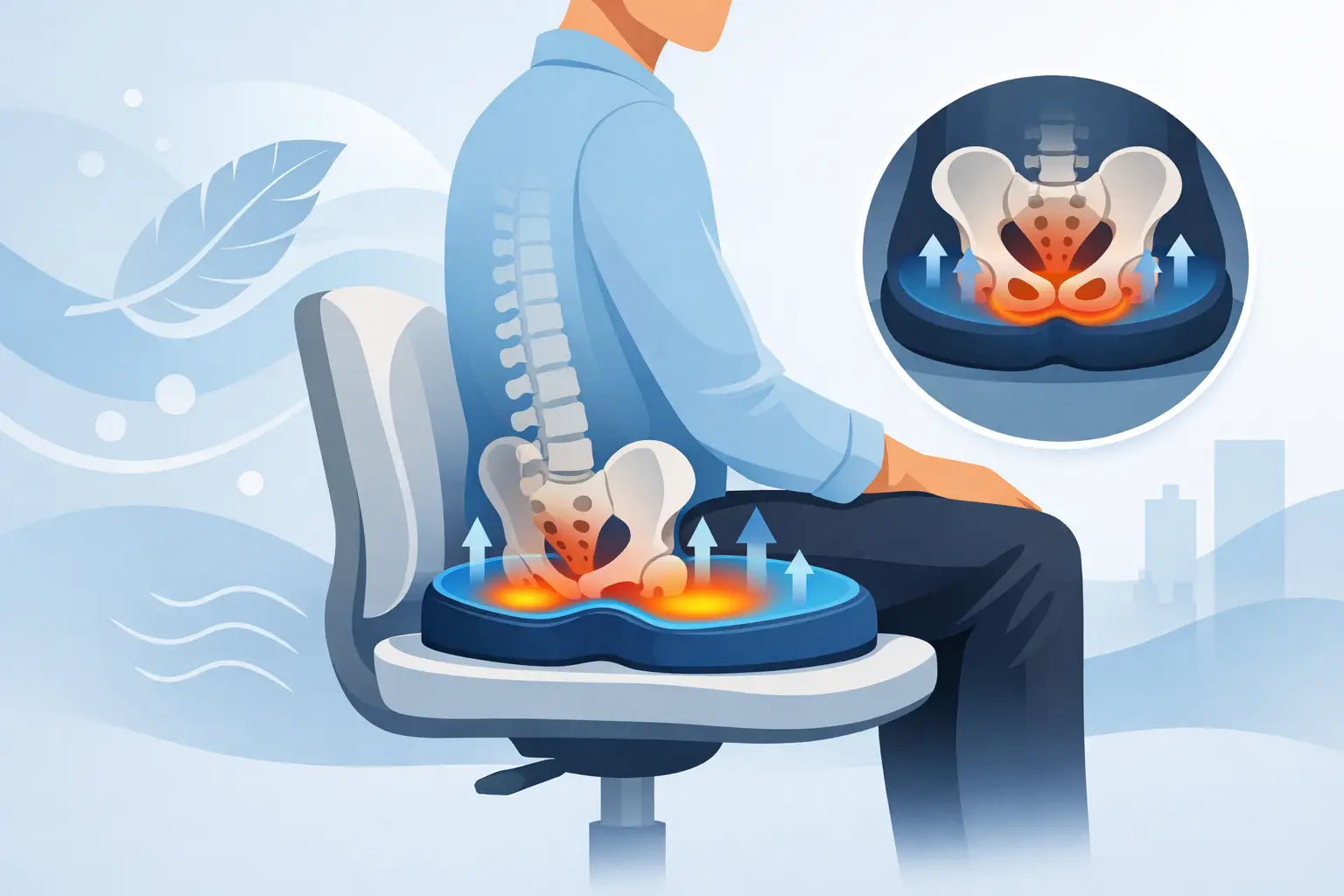
A chair can feel fine for the first 20 minutes and become painful by the end of the afternoon. For people with limited mobility, recovery needs, chronic pain, or long workdays, seat cushion pressure relief can make sitting more comfortable and help support safer positioning. The right cushion is not simply the softest option. It needs to match the user, the chair, the amount of time spent sitting, and any skin or circulation concerns.
A well-chosen seating cushion can help redistribute pressure away from vulnerable areas, improve comfort, and create a more stable sitting surface. For home use, caregiver support, clinical settings, and everyday office seating, understanding the differences matters before you buy.
Why Seat Cushion Pressure Relief Matters
When someone sits for extended periods, body weight is concentrated at the buttocks, tailbone, hips, and upper thighs. If pressure remains focused in one area for too long, it may contribute to soreness, numbness, discomfort, and skin breakdown. This is especially relevant for wheelchair users, older adults, people recovering from surgery, and individuals who cannot easily shift their position on their own.
Pressure-relieving cushions are designed to spread weight across a broader surface. Some also help reduce direct contact at the coccyx or encourage more balanced posture. They are useful tools, but they do not replace regular position changes, skin checks, mobility support, or clinical guidance when a person is at risk for pressure injuries.
For a person with reduced sensation, a history of skin wounds, paralysis, diabetes-related neuropathy, or a current pressure injury, cushion selection should be discussed with a physician, wound care specialist, occupational therapist, or physical therapist. The level of risk can determine whether a basic comfort cushion is appropriate or whether a more specialized seating system is needed.
Match the Cushion to the Chair and the User
The best cushion for a dining chair may not work in a wheelchair, recliner, car, or office chair. Start by looking at how and where the cushion will be used.
A wheelchair cushion needs to fit the seat width and depth without hanging over the edges or forcing the user into an unstable position. It should not raise the person so high that their feet lose contact with footrests or the floor. For transfer safety, the cushion should stay in place and support a level, secure sitting surface.
For desk work or driving, a lower-profile cushion may be more practical. A thick cushion can change leg angle, reduce head clearance in a vehicle, or make an office chair's armrests too low. For a recliner or lift chair, comfort may be the priority, but the cushion should still avoid pushing the user forward or causing them to slide.
Body size also matters. A cushion that is too narrow can create pressure at the hips. One that is too wide may not provide enough support where it is needed. Check the product dimensions, weight capacity, thickness, and care instructions before ordering.
Consider how long the person sits
Someone who sits for short meals has different needs than someone using a wheelchair for most of the day. Longer sitting periods generally call for more consistent pressure redistribution, better temperature control, and material that maintains its shape over time.
It also depends on the user's ability to reposition. A person who can stand, walk, or shift weight frequently may do well with a supportive foam or gel cushion. A person who needs help changing position may require more advanced pressure management and a care plan that includes scheduled repositioning.
Common Types of Pressure-Relief Seat Cushions
Cushions use different materials to balance comfort, support, stability, and ease of care. No single style is right for everyone.
Foam cushions
Foam cushions are widely used because they are lightweight, affordable, and easy to place on many chair types. Higher-density foam typically offers more support than low-density foam, which may compress quickly under body weight. Contoured foam designs can help support the thighs and reduce pressure near the tailbone.
Foam is often a practical choice for occasional use, post-surgery comfort, and general seating support. The trade-off is that some foam cushions may retain heat or lose shape over time, particularly with frequent daily use.
Gel cushions
Gel cushions can provide a cooler feel and help distribute weight across the sitting surface. They are often combined with foam to improve stability while adding cushioning where pressure tends to build.
These cushions can be comfortable for office chairs, wheelchairs, and travel. However, gel models may be heavier than basic foam cushions, and not every gel design provides the same level of support. Review the construction, not just the word gel on the label.
Air-cell cushions
Air cushions use interconnected air cells to conform closely to the body. They can provide strong pressure redistribution for users at elevated risk, particularly when correctly inflated and maintained.
The benefit comes with added responsibility. Overinflation or underinflation can reduce effectiveness, and the cushion may need regular checks. Some users also prefer a firmer, more stable surface for transfers, so air cushions should be selected with individual mobility needs in mind.
Coccyx and wedge cushions
Coccyx cushions have a cutout or reduced section at the back to take pressure off the tailbone. They can be helpful for tailbone discomfort, pregnancy-related pain, certain injuries, and recovery when sitting is uncomfortable.
Wedge cushions angle the pelvis and can encourage a more upright posture. They may help some users with slouching or difficulty rising from a chair. Still, too much angle can cause sliding or place added pressure on the thighs, so fit is essential.
Features That Affect Comfort and Safety
Material is only one part of the decision. Look closely at the details that determine whether a cushion will work day after day.
A removable, washable cover is valuable for home care, continence management, and high-use settings. A moisture-resistant or breathable cover can improve comfort and simplify cleaning, though it should still be cleaned according to the manufacturer's instructions. A non-slip bottom or securing straps can help prevent the cushion from moving during transfers or repositioning.
For wheelchair and clinical use, consider whether the cushion supports proper posture. The pelvis should be positioned comfortably without excessive leaning, sliding, or uneven weight bearing. If one hip consistently bears more weight than the other, a standard cushion may not address the issue.
Watch for these signs that the current cushion may not be meeting the user's needs:
- Pain, burning, numbness, or tingling while sitting
- Redness or skin changes that do not fade after pressure is relieved
- Sliding forward, leaning to one side, or poor balance in the chair
- Cushion bottoming out, flattening, or failing to return to shape
Use a Cushion as Part of a Daily Seating Plan
Even a high-quality cushion cannot remove all risk from prolonged sitting. Encourage regular weight shifts when the person is able. Caregivers may need to assist with repositioning based on the individual's care plan. Checking the skin around the tailbone, hips, and buttocks is particularly important for people with reduced sensation or limited mobility.
Keep the cushion clean, dry, and properly positioned. Do not add extra pillows underneath it unless the product instructions or a clinician recommends doing so. Layering cushions can make the surface unstable and may interfere with how a pressure-relieving design works.
For clinics and care facilities, consistency helps. Document the cushion type, fit, maintenance needs, and any changes in the patient's skin condition or comfort. For home caregivers, a simple routine of checking placement, cover condition, and cushion shape can prevent avoidable problems.
Choose Support That Fits Real Life
The right seat cushion should make daily activities easier, not create another complicated task. Consider where it will be used, who will maintain it, whether it needs to travel, and how easily the user can transfer on and off the surface. A simple foam cushion may be enough for occasional discomfort, while long-term wheelchair use or pressure-injury risk may call for professional guidance and a more specialized option.
US MedResources helps home users, caregivers, and healthcare practices find practical seating and mobility support products delivered directly where they are needed. Start with the user's seating routine, measure the chair, and choose a cushion that supports comfort without compromising stability. A better sitting surface can make the next meal, appointment, commute, or quiet afternoon feel more manageable.