Call Us -
Cart
0
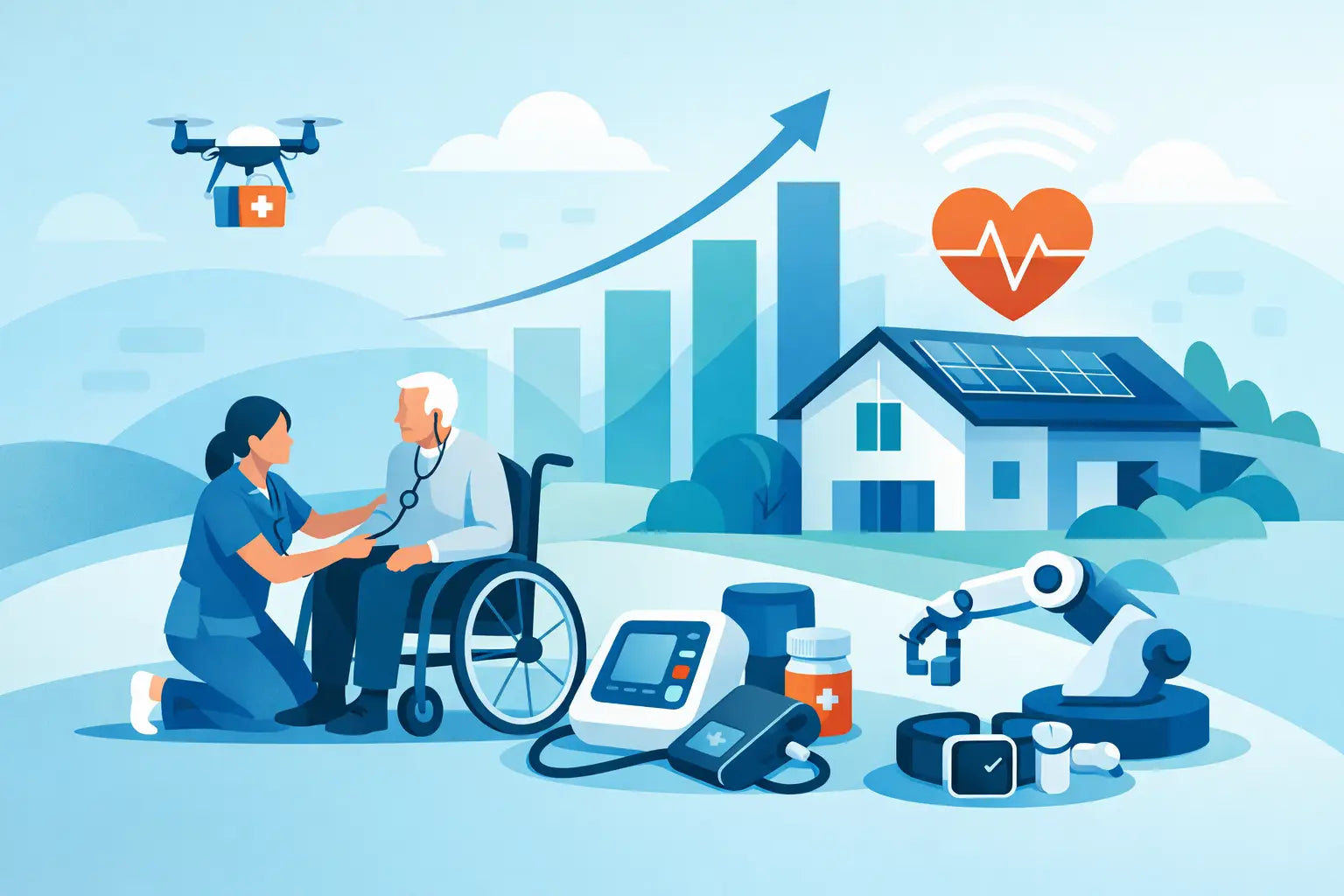
A hospital discharge can happen quickly. The need for a walker, wound dressings, continence products, diabetes supplies, or a safer way to move around the home often starts the same day. That reality is shaping home healthcare supply trends in 2026: buyers want practical products, clear choices, and reliable delivery without making multiple trips to different stores.
For families, the goal is usually simple - help someone recover safely, manage a chronic condition, or stay independent at home. For clinics and care providers, the priority is keeping patients supported after an appointment while maintaining dependable access to everyday clinical supplies. The strongest trend is not one product category. It is a more organized approach to care that connects the home, the caregiver, and the healthcare professional.
Home Healthcare Supply Trends Center on Continuity of Care
More care is moving beyond hospital rooms and physician offices. Patients are recovering from procedures at home, managing long-term conditions between visits, and receiving support from family members who may not have medical training. Supplies that once seemed limited to a clinic are now part of a well-prepared home care routine.
This changes how people shop. A single need, such as limited mobility after surgery, may require a shower chair, grab bars, a raised toilet seat, reachers, compression support, and a way to manage pain or swelling. The best purchase is not always the most advanced item. It is the product that fits the individual, the home layout, and the care plan.
Care teams are also paying closer attention to what happens after a patient leaves the office. Recommending appropriate wound care, mobility, respiratory, or diabetes products can help patients follow instructions more consistently. For providers, that means choosing a supply partner with broad category coverage and dependable fulfillment matters as much as the individual product itself.
Mobility and Fall Prevention Remain High-Priority Categories
The desire to age in place continues to drive demand for durable home-use aids. Walkers, canes, wheelchairs, transfer benches, bedside commodes, bath safety products, and orthopedic supports are not specialty purchases for a small group of customers. They are practical tools that help people move more safely through daily routines.
Fall prevention is especially important because the right equipment depends on the setting. A compact cane may be enough for someone who needs light support outdoors. A rolling walker may be more appropriate for a person with balance challenges or lower-body weakness. Bathroom safety products can make a major difference, but they need to fit the available space and be installed or used correctly.
Shoppers are becoming more focused on comfort, portability, and ease of use. Folding frames, adjustable heights, lightweight materials, and simple cleaning features are no longer minor details. They can determine whether a product is used every day or left in a closet. Caregivers should measure doorways, shower openings, and seating areas before ordering larger equipment.
Recovery Products Are Becoming More Personalized
Post-operative and injury recovery do not follow one standard timeline. Some people need short-term support after joint replacement or a fracture. Others need longer-term orthopedic care for arthritis, chronic pain, or reduced range of motion. This has increased interest in braces, compression products, hot and cold therapy, physical therapy equipment, and supportive seating.
The trade-off is that more options can make decisions harder. A brace that provides too little support may not meet the need, while one that is overly restrictive can be uncomfortable or interfere with movement. When a clinician has provided product guidance, follow it closely. When choosing independently, focus on the condition being managed, sizing requirements, and the level of daily activity.
Consumable Supplies Are Moving to Planned Reordering
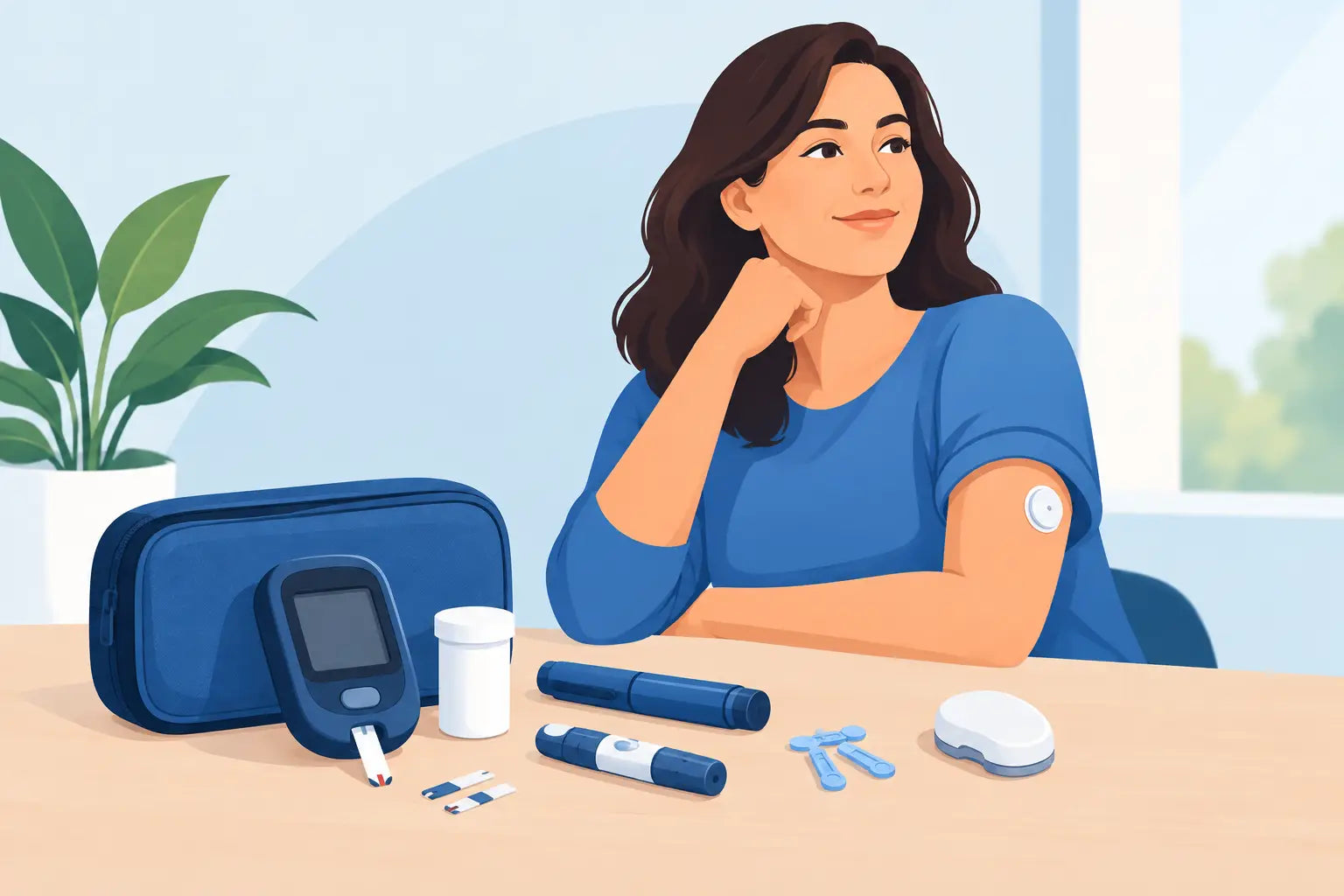
Many home care needs are ongoing. Diabetes testing products, incontinence supplies, wound care items, gloves, underpads, respiratory accessories, and personal care products are used regularly and cannot be treated as last-minute purchases. One of the most practical home healthcare supply trends is planned replenishment.
Families are increasingly keeping a simple supply list that identifies what is used daily, weekly, or only when needed. This helps prevent gaps in care and reduces the stress of realizing that the last dressing, disposable underpad, or glucose testing item has already been used.
A good reorder plan should account for actual usage, storage space, and expiration dates. Buying in larger quantities can be convenient for frequently used consumables, but only if the household has a clean, dry place to store them. Products should remain in their original packaging until needed, and customers should rotate stock so older items are used first.
Wound Care Requires Attention, Not Just Inventory
Wound care remains a category where convenience must be balanced with clinical guidance. Basic first aid supplies are useful in every home, but surgical wounds, pressure injuries, diabetic foot concerns, and wounds that are slow to heal require closer attention. The right dressing type, cleansing routine, and frequency of changes can vary significantly.
It is wise to keep commonly used items available, including gauze, tape, cleansing supplies, gloves, and appropriate dressings when recommended by a care professional. However, more supplies do not automatically mean better care. Changes in drainage, odor, redness, swelling, pain, fever, or skin color should be discussed with a healthcare provider promptly.
Home Monitoring Is Supporting More Informed Daily Decisions
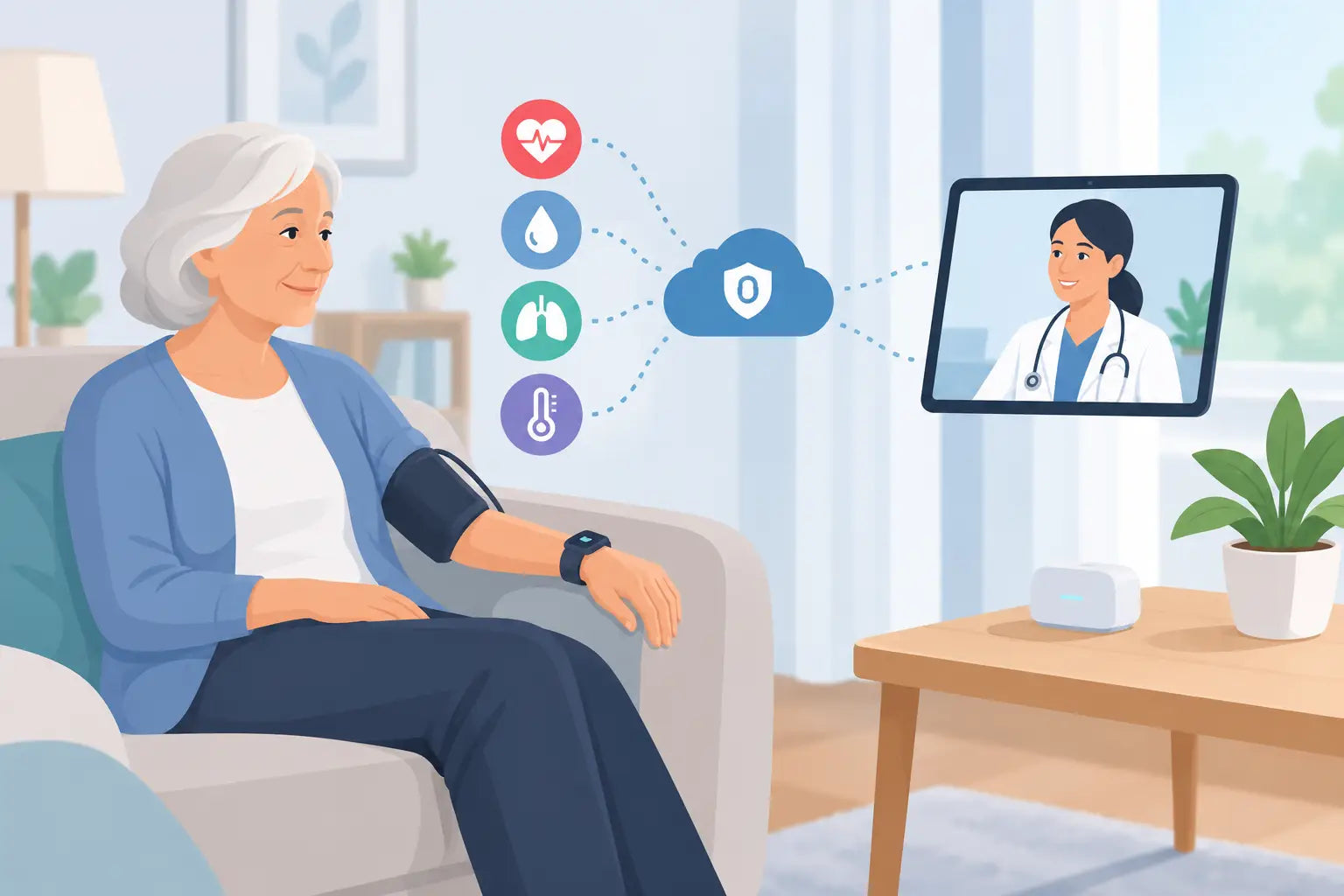
Home monitoring tools are becoming a regular part of managing blood pressure, diabetes, respiratory conditions, sleep concerns, and general wellness. These products give patients and caregivers a clearer view of patterns between appointments. They can also help make conversations with healthcare professionals more specific.
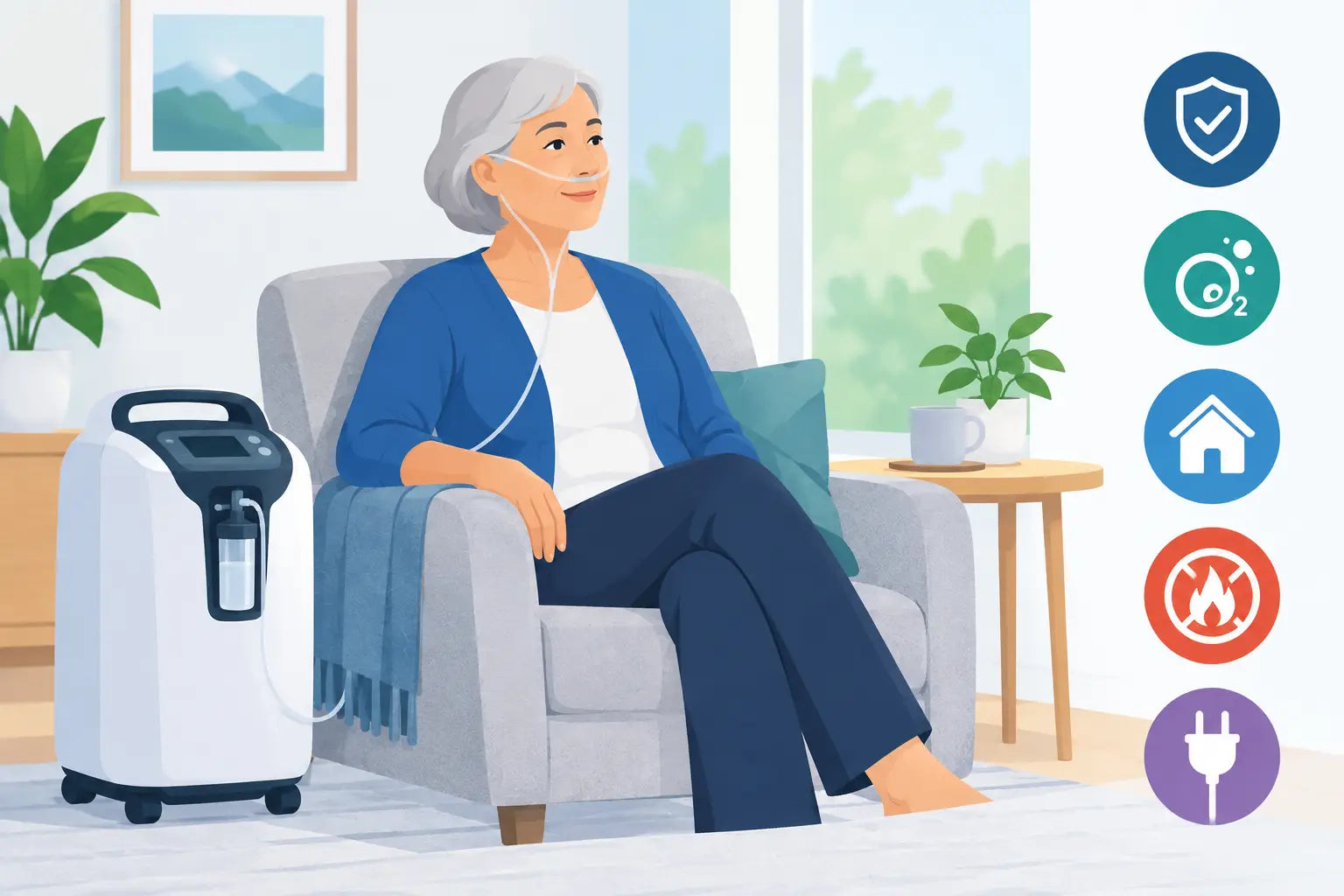
The value comes from consistent, correct use. A blood pressure monitor is most helpful when readings are taken under similar conditions and recorded over time. Diabetes supplies need to be used according to the individual care plan. Respiratory equipment needs proper cleaning and replacement schedules. A device is only as useful as the routine built around it.
Not every person needs every monitor, and a high number on a display should not lead to self-diagnosis. Home data can support care, but it does not replace professional evaluation. The practical approach is to use the products recommended for the condition, understand the instructions, and know when to call a clinician.
Convenience Is Now Part of Quality Care
Consumers expect medical supply shopping to be straightforward. They want to find products by condition or category, compare basic features, get answers when they need help, and have items delivered directly to their door. That expectation is equally relevant for busy practices that need a dependable source for physician supplies, exam room essentials, emergency preparedness products, and patient support items.
Convenience should not mean treating all products as interchangeable. A general retailer may carry a limited selection, while a specialized medical supply source can make it easier to compare products built for mobility, continence, wound care, diabetes care, respiratory needs, and recovery. US MedResources supports both home-based customers and healthcare professionals with the category depth needed to shop according to a real care need.
For professional offices, supply availability affects more than purchasing efficiency. It can affect patient education, treatment readiness, and the ability to recommend practical home solutions after a visit. For households, dependable delivery can reduce the burden on caregivers who are already coordinating medications, appointments, meals, and transportation.
What to Keep Ready at Home
Preparedness is becoming more targeted. Rather than buying a large assortment of products without a plan, households are building supply kits around likely needs. A family managing diabetes may prioritize testing and foot care items. Someone using a wheelchair may focus on skin protection, transfer aids, and accessible personal care products. A household with older adults may emphasize first aid, bathroom safety, and mobility support.
The same principle applies to emergency readiness. Keep basic first aid supplies accessible, check batteries and equipment periodically, and make sure caregivers know where essential items are stored. If a person relies on respiratory equipment or other critical daily supplies, maintaining an appropriate backup on hand can provide added peace of mind.
The most useful home care setup is not the one with the most products. It is the one that supports the person using it, fits the care plan, and stays ready when it is needed. Start with the needs you manage most often, keep supplies organized, and reorder before a routine item becomes an urgent problem.