Call Us -
Cart
0

A low-blood-sugar alert is not the time to discover that the test strip vial is empty, the lancets do not fit the lancing device, or the meter battery has failed. Knowing how to buy diabetic testing supplies means building a dependable routine around the equipment you use, the amount you test, and the care plan your clinician has recommended.
For people managing diabetes at home, caregivers supporting a family member, and clinics serving multiple patients, the goal is simple: keep accurate, compatible supplies on hand without buying products that will sit unused in a cabinet.
Start With the Meter You Already Use
The meter is the starting point for most blood glucose testing purchases. Test strips are not interchangeable across brands, and in many cases, they are not interchangeable between meter models from the same manufacturer. Before ordering, read the meter name and model number directly from the device or its packaging. Then choose strips specifically made for that meter.
This detail matters because a strip that looks similar may not work at all, or it may provide an error message when inserted. Avoid purchasing strips based only on a familiar brand name or the lowest price shown. Compatibility comes first.
If you are buying for a parent, patient, or practice, confirm which meter they use before placing the order. When a meter is old, discontinued, or difficult to find supplies for, it may make more sense to discuss a replacement meter with the patient’s healthcare provider or diabetes educator. A newer system can be easier to support over time, but changing systems also means learning a new testing routine.
How to Buy Diabetic Testing Supplies for Your Routine
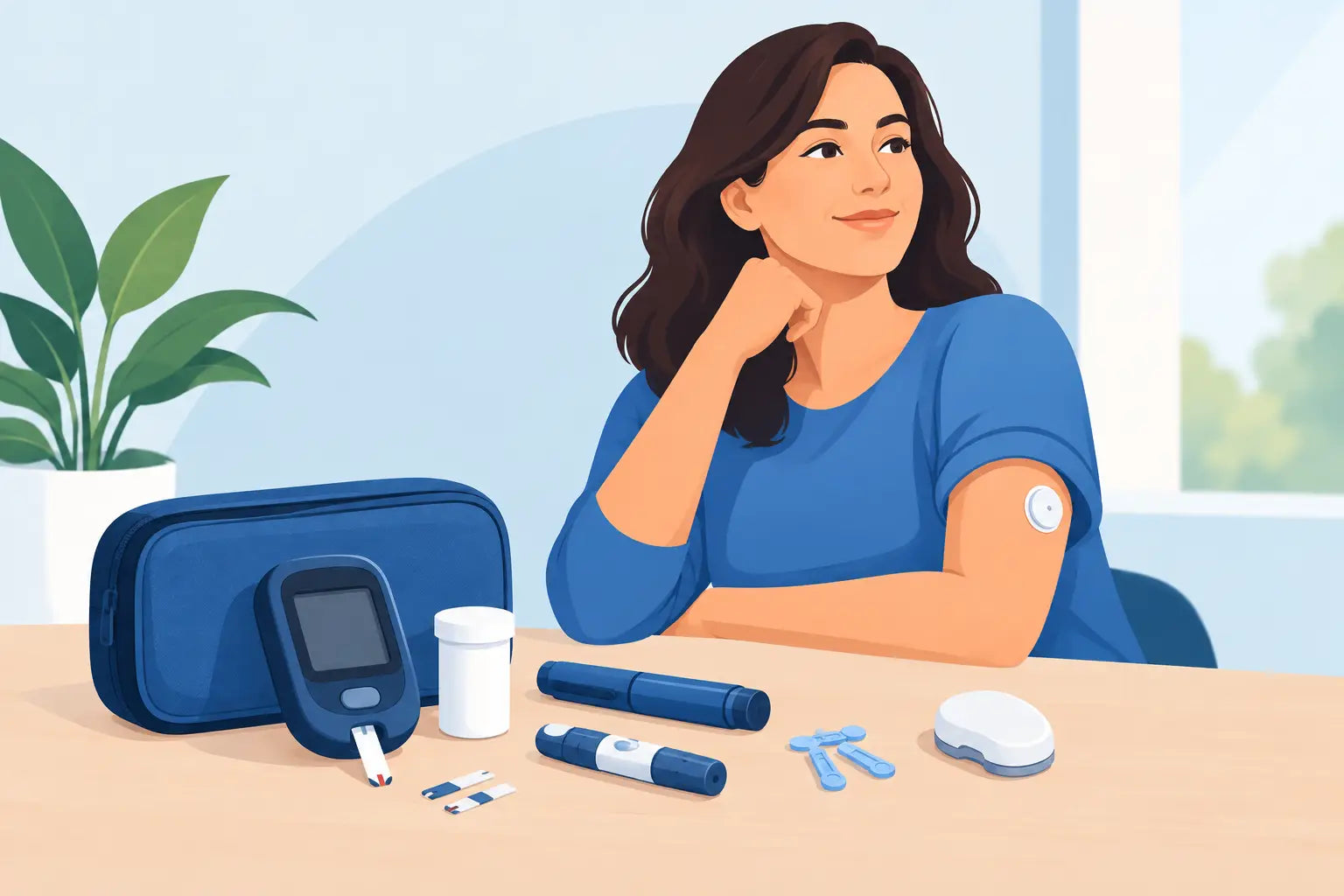
A complete blood glucose testing setup usually includes a meter, compatible test strips, lancets, a lancing device, and a control solution when recommended by the manufacturer. Depending on the meter, you may also need batteries, a carrying case, or a data cable or app connection.
The right quantity depends on how often testing is part of the care plan. Someone who checks once per day will have very different supply needs than a person instructed to test before meals, after meals, at bedtime, during illness, or when symptoms occur. Clinics and care settings also need to account for patient volume, staff use, and established infection-control procedures.
Rather than ordering one small box at a time, estimate the number of strips needed for a month or two. For example, testing four times daily requires roughly 120 strips per 30-day month, plus a small cushion for retests, accidental drops, or unexpected schedule changes. Buying a reasonable backup quantity helps prevent gaps, but overstocking is not always a savings if products may expire before they are used.
Lancets are often inexpensive and easy to overlook. They should fit the lancing device being used, unless the device is designed for universal lancets. Many people replace lancets less frequently than recommended because a used lancet can still puncture the skin. However, fresh lancets are sharper, generally more comfortable, and support cleaner testing practices. For single-patient home use, follow the instructions from the device manufacturer and the guidance from the care team. In professional settings, use single-use safety lancets when appropriate and follow facility protocols.
Check Expiration Dates and Storage Requirements
Test strips are sensitive diagnostic supplies, not ordinary paper goods. Heat, moisture, damaged packaging, and expiration can affect performance. Before you buy, check the expiration date listed on the product page or package when available. On arrival, inspect each box and place older inventory in front so it gets used first.
Keep strips in their original vial with the cap closed tightly. Do not transfer them to a pill organizer, loose plastic bag, or another container. Store them away from bathroom humidity, direct sunlight, vehicles, and areas with extreme temperatures. The same applies when traveling: a meter kit left in a hot car may not be ready when needed.
Be cautious with deeply discounted strips if the listing does not clearly identify the product condition or expiration information. A low price is only useful when the supplies are compatible, properly stored, and usable through the period you expect to need them.
Balance Cost, Convenience, and Care Needs
Price matters, especially for households paying out of pocket or practices purchasing ongoing supplies. Still, the least expensive option may not be the best fit if it requires frequent reordering, has limited availability, or does not work with the meter already in use.
Begin by checking whether insurance, Medicare, Medicaid, or another health plan covers testing supplies and whether it requires a specific brand, supplier, prescription, or documentation. Coverage rules vary by plan and can change, so confirm the current requirements before assuming a particular item will be reimbursed. If you use insurance, ask your pharmacy benefit manager or plan administrator about approved meters and strip limits.
For self-pay purchases, compare the cost per strip rather than comparing only the total box price. A larger box often lowers the per-strip cost, but only if you will use it before expiration. Consider the cost of the full testing system, too. Some meters are inexpensive upfront but use higher-cost strips. Others may cost more initially while offering more affordable ongoing supplies.
Convenience has value as well. Ordering from a specialized medical supply retailer can make it easier to purchase strips, lancets, alcohol prep supplies, glucose tablets, sharps containers, and other home care essentials in one place. US MedResources supports direct delivery for individuals and professional practices that need dependable access to condition-specific supplies.
Choose the Features That Make Testing Easier
If you are selecting a new meter, do not assume the most advanced device is automatically the right one. The best meter is one the person can use correctly and consistently.
For seniors, people with neuropathy, vision changes, arthritis, or limited hand strength, practical features may matter more than extra data functions. Look for a large display, easy-to-hold shape, simple buttons, a backlit screen, audible prompts, or a strip port that is easy to see. A lancing device with adjustable depth settings can also help reduce discomfort.
For caregivers, memory storage and date-and-time tracking can make it easier to review readings with a healthcare provider. Some meters send results to a phone app, which may help users spot patterns. That feature is useful only when the user is comfortable with the technology and has a clear plan for reviewing the information. A simple meter and written log can be just as effective for many people.
People using continuous glucose monitors may still need a traditional meter and strips as a backup. Follow the instructions for the glucose monitor and the advice of the healthcare team about when fingerstick confirmation is needed.
Buy Safely for Home Use or Professional Use
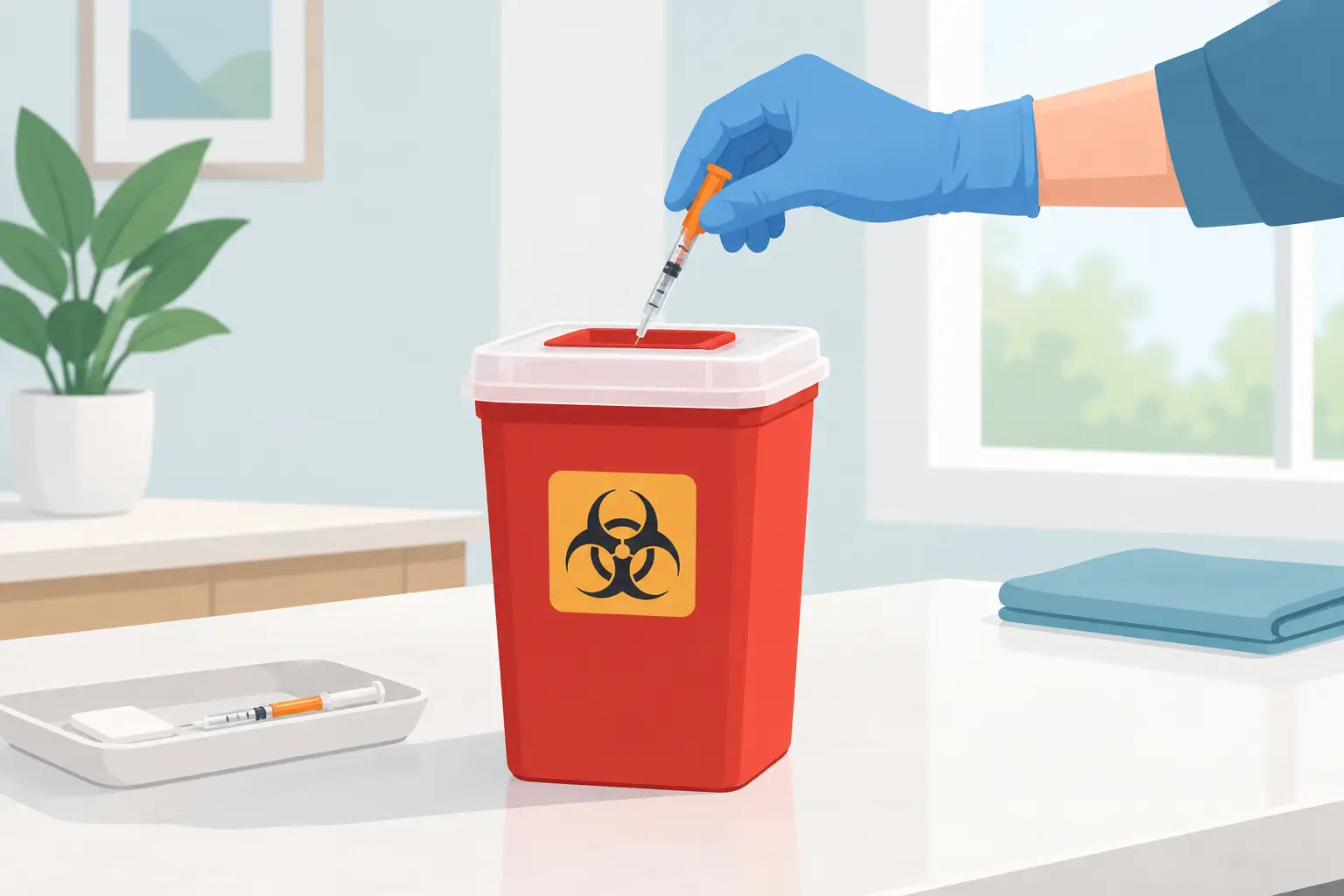
Home users should keep all testing items together in a clean, dry kit that is easy to grab. Include the meter, strips, lancing device, lancets, alcohol prep supplies if used, and a method for disposing of used lancets safely. A proper sharps container is preferable to tossing lancets loosely into household trash. Local disposal rules can differ, so check what applies in your area.
For clinics, purchasing decisions should include more than unit price. Consider staff workflow, infection-control requirements, training needs, meter accuracy standards, quality-control processes, and the availability of replacement supplies. Multi-patient use requires devices and procedures approved for that purpose. A meter intended for one person at home should not be shared among patients.
Keep records of product lot numbers and expiration dates when your setting requires them. Store inventory according to manufacturer instructions, rotate stock, and designate a team member to monitor reorder points. These small steps reduce waste and help ensure that testing supplies are ready when patient care requires them.
Know When to Ask for Help
If readings do not match how the person feels, do not ignore the mismatch. Wash and dry hands, check the strip expiration date, confirm that the meter and strips match, and repeat the test using a new strip if appropriate. Control solution testing may help confirm whether a meter and strips are working within the manufacturer’s expected range.
Seek guidance from a healthcare professional for repeated unexpected results, frequent low or high readings, new symptoms, or uncertainty about testing frequency. Supplies support diabetes management, but they do not replace a personalized care plan.
Set a reorder reminder before the last vial is opened, keep a small backup supply, and purchase products that fit the person using them. That practical preparation turns diabetic testing from a last-minute problem into one less thing to worry about.