Call Us -
Cart
0
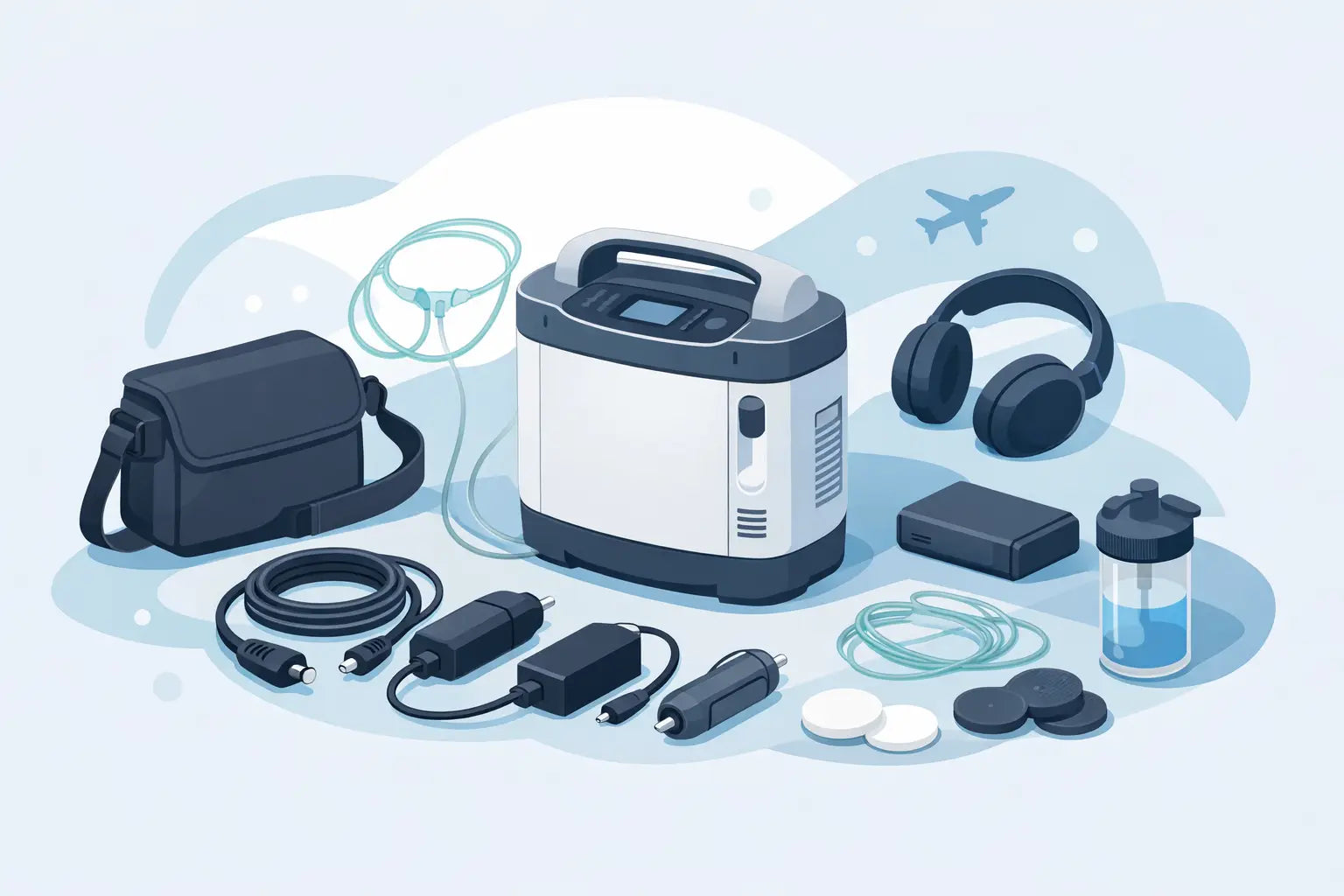
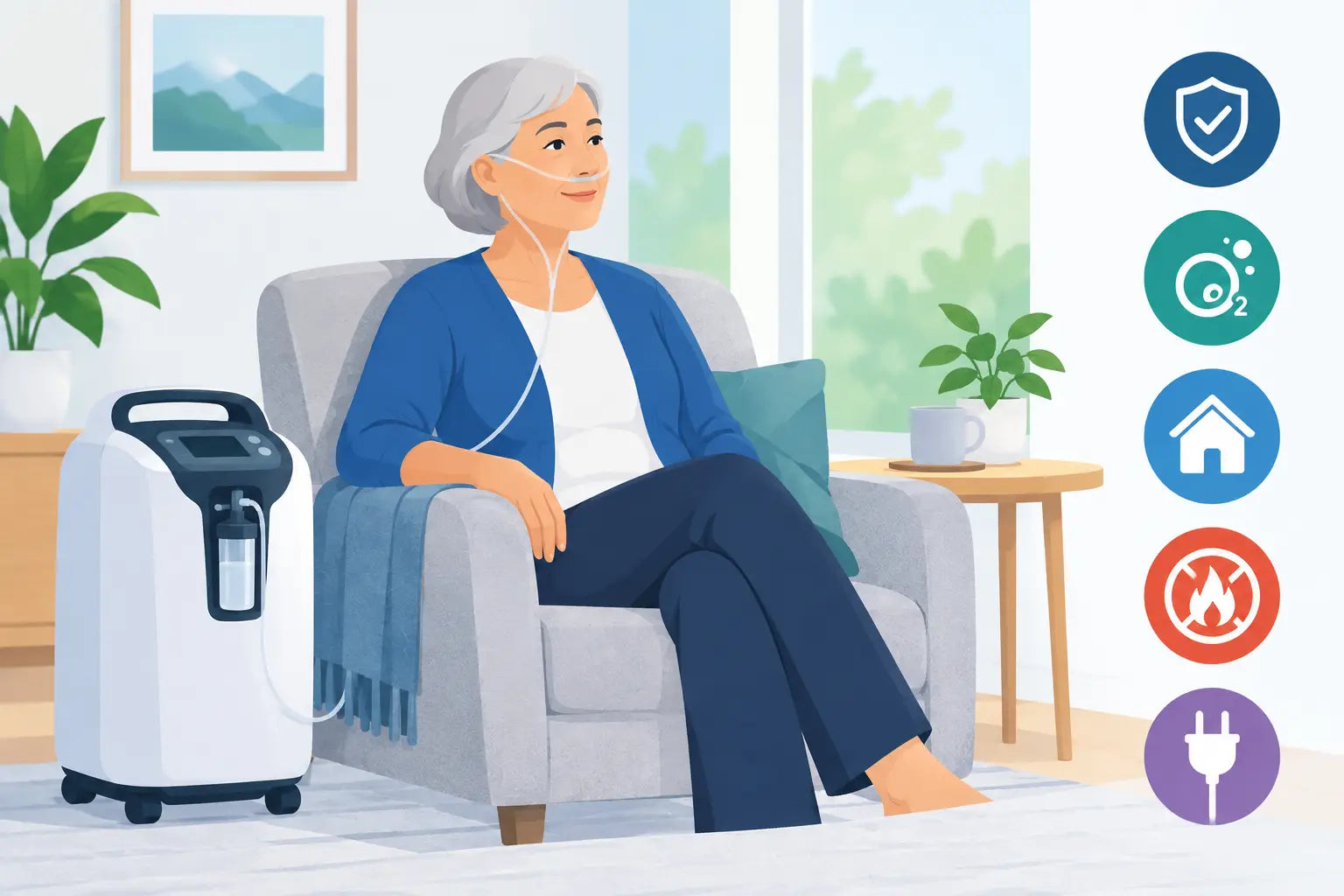
A portable oxygen concentrator only works well in real life when the small supporting pieces do their job. Portable oxygen concentrator accessories affect comfort, battery life, travel readiness, and how easy it is to keep therapy going at home, in the car, or on the move. If you use oxygen every day, or you support patients who do, the right accessory setup can make the difference between a device that feels manageable and one that feels hard to live with.
Some accessories are essential. Others are helpful only in certain routines. That distinction matters, especially when buyers are trying to avoid wasted spending and make sure they have what they need delivered directly to their door.
Which portable oxygen concentrator accessories matter most?
The answer depends on how the concentrator is used. A patient who mostly stays at home may need backup power and replacement cannulas more than a travel case. A frequent traveler may care more about car charging, spare batteries, and carrying options. A clinic or provider may be focused on stocking practical replacement items that reduce interruptions for patients after discharge.
The most commonly needed portable oxygen concentrator accessories usually fall into a few categories: power, carrying and protection, oxygen delivery, and routine maintenance. Each one supports a different part of day-to-day use.
Power accessories keep therapy consistent
For many users, batteries are the first accessory to think about. A portable oxygen concentrator is built around mobility, so a worn battery or too little backup power can limit where a person can go and for how long. An extra battery is often one of the smartest purchases for users who leave home often, attend appointments, or want peace of mind during power outages or long outings.
AC and DC power supplies matter just as much. Home charging cords, wall adapters, and car chargers help keep the device available in different settings. This is especially useful for people who split time between home, work, errands, and medical visits. If a user drives regularly or rides with family, a DC adapter can be more than a convenience. It can be part of the daily routine.
There is a trade-off here. Extra batteries and chargers add cost up front. But for many oxygen users, that cost can be easier to manage than dealing with interrupted therapy, missed time away from home, or emergency replacement needs.
Carrying accessories improve comfort and mobility
A concentrator may be portable by design, but that does not always mean it is comfortable to carry for hours. Carry bags, shoulder straps, backpacks, and carts can reduce strain and make movement easier. The best choice depends on the person using it.
A shoulder bag may work well for short appointments or light activity. A backpack-style option may spread weight more evenly for active users. A cart can help patients who have limited strength or fatigue easily. What works best is rarely one-size-fits-all. A younger, active user may prioritize hands-free carrying, while an older adult may prefer rolling support and less lifting.
Protective cases also deserve attention. They help guard the concentrator from minor bumps, dust, and wear during daily use. For patients taking their unit to appointments, family visits, or travel, protection can help preserve both appearance and function over time.
Portable oxygen concentrator accessories for oxygen delivery
The accessory most users replace most often is the nasal cannula. Because it comes into direct contact with the user and is used regularly, it needs routine replacement for hygiene, comfort, and performance. Tubing may also need to be replaced when it shows signs of wear, stiffness, or reduced flexibility.
Humidifier compatibility is another point worth checking, though not every portable oxygen concentrator uses the same setup. Some users experience dryness and ask whether added humidification can help. The answer depends on the prescribed flow, the device model, and the guidance of the healthcare provider. This is one of those areas where it is better to confirm fit and intended use before ordering accessories.
Cannula style also matters more than many people expect. Some are softer, some fit more securely around the ears, and some may be better tolerated for extended use. For home users and caregivers, keeping replacement oxygen delivery items on hand is a practical way to avoid last-minute problems.
Filters and maintenance supplies support performance
Portable concentrators rely on clean airflow. That is why replacement filters and cleaning supplies are part of smart routine care. If a filter is dirty, worn, or not changed as recommended, the unit may not perform as intended. It can also lead to unnecessary wear over time.
Some devices use user-cleanable filters, while others require replacement parts at set intervals. Buyers should always match accessories to the exact concentrator model. A filter that looks similar is not good enough in medical equipment. Fit and compatibility matter.
Cleaning wipes, storage accessories, and protective covers can also help keep the device ready for daily use. These may sound minor compared with batteries or chargers, but regular upkeep helps reduce preventable issues. For providers, having the right maintenance items available can support better patient compliance after equipment is issued.
How to choose the right accessories for your setup
Start with the user, not the product list. A person using oxygen at home after a hospital discharge may need a different accessory package than someone who flies often or spends full days away from outlets. Think through where the concentrator is used, how long it needs to run away from home, and who is handling setup and transport.
Model compatibility should come next. Portable oxygen concentrator accessories are not universal in every case. Batteries, cords, cases, and filters are often model-specific. Ordering based on appearance alone can lead to returns, delays, and frustration. If you are purchasing for a patient, family member, or clinic stock room, confirm the manufacturer and exact model before buying.
Then consider replacement frequency. Some accessories, such as carrying cases, may last a long time. Others, such as cannulas and filters, may need regular replacement. Planning for both immediate use and ongoing supply needs can save time and prevent gaps in care.
Budget matters too. Some buyers only need the minimum to get started. Others want a more complete setup from day one. Neither approach is wrong. The right choice depends on how often the concentrator is used and how disruptive it would be to run short on a key part.
When extra accessories are worth the investment
Not every user needs every add-on. That said, there are situations where buying a little more up front makes practical sense. If someone depends on oxygen outside the home, a spare battery is often worth it. If they commute or travel by car, a DC charger can quickly become essential. If carrying the unit causes fatigue or discomfort, a better case or mobility option may improve daily use enough to justify the cost.
For caregivers, accessories can also reduce stress. Having backup supplies in place means fewer urgent calls, fewer interruptions, and less scrambling when something wears out unexpectedly. For clinics and medical offices, keeping common replacement accessories available can support smoother patient transitions and better continuity at home.
This is where dependable supply matters. Buyers want clear product options, practical support, and items that arrive ready to use. That is especially true with oxygen therapy, where delays are more than inconvenient.
Common mistakes to avoid
One of the most common mistakes is assuming an accessory will fit any concentrator. Another is waiting until a battery fails or a cannula wears out before ordering a replacement. Oxygen users generally do better when they treat accessories as part of the care plan, not as afterthoughts.
It is also easy to overbuy. A user who rarely leaves home may not need multiple travel-focused accessories. On the other hand, underbuying can create avoidable disruptions. The goal is not to collect extras. It is to build a setup that supports the person’s actual routine.
If you are purchasing for someone else, ask simple questions first. How often do they leave home? How long are they away from power? Do they carry the unit themselves? Do they have backups now? Those answers usually point to the accessories that matter most.
US MedResources serves both home users and professional buyers who need practical medical supply solutions without guesswork. Whether you are ordering for daily personal use, a loved one, or a clinical setting, choosing the right oxygen concentrator accessories is really about keeping care easier, safer, and more dependable. A few smart additions can make everyday therapy feel a lot more manageable.