Call Us -
Cart
0

A walker by the bed, gloves in a clinic drawer, test strips in a bathroom cabinet, and wound dressings in a first aid kit all serve the same purpose - helping people manage health safely and effectively. If you have ever asked what are medical equipment and supplies, the simplest answer is this: they are the products used to diagnose, treat, monitor, support, or improve a person’s health in a medical setting or at home.
That simple definition covers a wide range of products, which is why the terms can feel confusing. Some items are built to last for months or years, while others are used once and replaced. Some support professional care in a physician’s office or therapy clinic, and others help patients stay safe and comfortable at home. Knowing the difference helps you buy the right products, avoid overspending, and build a care setup that actually fits the person using it.
What Are Medical Equipment and Supplies in Simple Terms?
Medical equipment usually refers to larger or more durable items used repeatedly over time. Think wheelchairs, walkers, nebulizers, blood pressure monitors, exam tables, commodes, or patient lifts. These products are often designed to support mobility, monitoring, treatment, or day-to-day function.
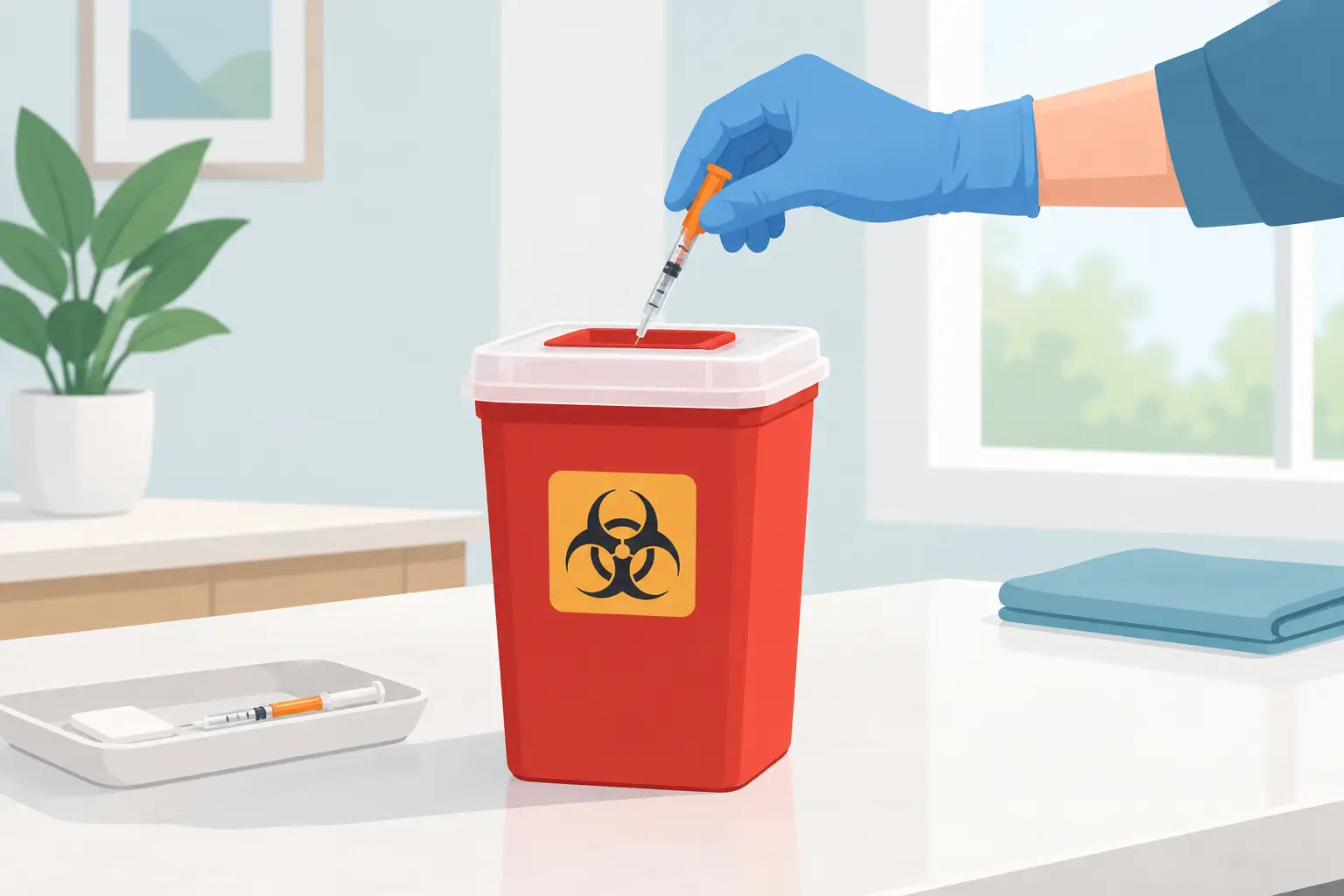
Medical supplies are typically the consumable items that are used up, replaced regularly, or stocked in quantity. Common examples include gloves, gauze, wound dressings, syringes, incontinence products, diabetic lancets, test strips, masks, and disposable underpads. In many cases, supplies support the use of equipment. A nebulizer is equipment, while the tubing or mask may be a supply depending on the product and replacement schedule.
The line is not always perfect. A brace may be considered equipment in one buying context and a supply in another. The more useful distinction is whether the product is durable and reused, or consumed and replenished.
Why the Difference Matters
For home users and caregivers, the difference affects storage, replacement planning, and cost. A mobility aid or bathroom safety product may be a one-time purchase that supports independence for years. Wound care items or incontinence products, on the other hand, need ongoing reordering. If you are managing care for a parent, spouse, or recovering family member, that changes how you budget and shop.
For clinics and healthcare practices, it matters even more. Equipment often involves higher upfront spending, while supplies affect daily operations and patient throughput. Running out of exam gloves, table paper, dressings, or diagnostic disposables can slow care quickly. A dependable supply source is not just convenient - it supports continuity of care.
Common Types of Medical Equipment
Medical equipment can be organized by function. That makes it easier to match the product to the care setting.
Mobility and transfer equipment
These products help people move safely or reduce fall risk. Walkers, rollators, wheelchairs, canes, transport chairs, transfer benches, and bedside commodes are some of the most common. At home, they support independence and safer daily routines. In professional settings, they help staff assist patients with less strain and better control.
The right choice depends on balance, upper-body strength, home layout, and how often the item will be used. A cane may be enough for mild instability, while a rollator with a seat may make more sense for someone who tires easily.
Monitoring and diagnostic equipment
This category includes blood pressure monitors, pulse oximeters, thermometers, glucose meters, and some home testing devices. In clinics, it can also include diagnostic tools used during exams and ongoing patient management.
These products help track health status over time. For someone with hypertension, diabetes, or respiratory concerns, monitoring equipment can make daily management more practical. Still, consumer devices vary in features and ease of use, so buying based on the user’s comfort level matters just as much as the spec sheet.
Respiratory and treatment equipment
Nebulizers, CPAP-related accessories, oxygen support items, and certain therapy devices fall into this group. These products are often condition-specific and may be used every day.
When shopping for respiratory equipment, fit and compatibility matter. A good product is not just one that works in theory, but one that can be used correctly and consistently at home.
Bathroom safety and home-use aids
Raised toilet seats, shower chairs, grab-support products, and daily living aids are often overlooked until they are urgently needed. In reality, these products are some of the most practical tools for aging in place, post-surgical recovery, and caregiver support.
They are not always thought of as “medical” at first glance, but they play a direct role in fall prevention, comfort, and personal care.
What Counts as Medical Supplies?
Medical supplies are the products that keep care moving. They are used in homes, clinics, therapy settings, and emergency situations every day.
Wound care supplies
Dressings, gauze, tapes, bandages, skin prep products, and related wound care items are essential for post-surgical care, injury management, and chronic wound support. These products need to match the wound type, drainage level, and frequency of dressing changes. Buying the wrong size or absorbency level can create extra work and discomfort.
Incontinence and personal care supplies
Briefs, protective underwear, underpads, wipes, gloves, and skin care items support both dignity and hygiene. For home users, comfort and absorbency are the big factors. For caregivers and facilities, ease of change and dependable stock levels matter just as much.
Diabetes care supplies
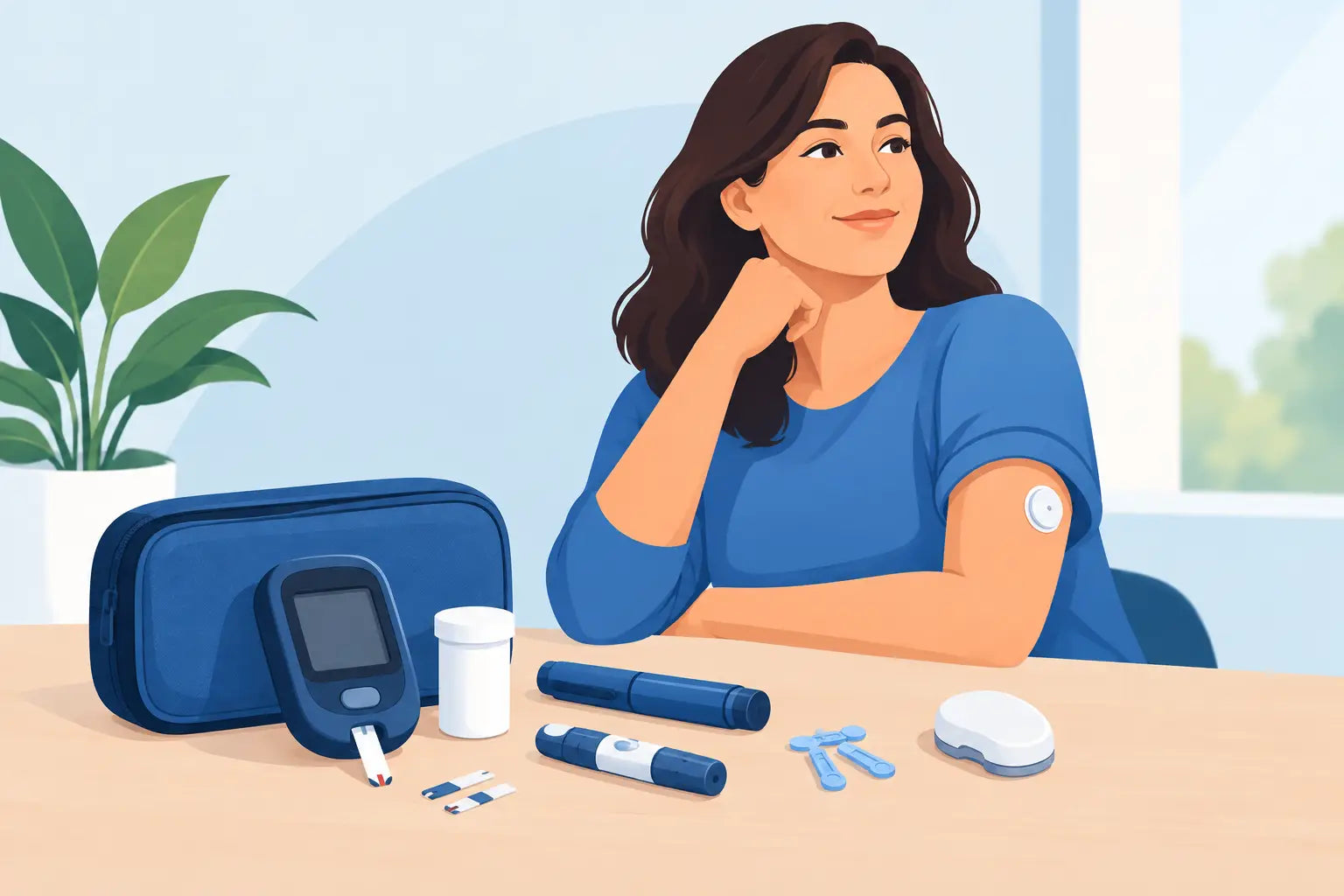
Test strips, lancets, syringes, pen needles, alcohol prep pads, and related items are core daily-use products for many patients. These are not occasional purchases. They are part of a routine, which means reliability and simple reordering matter.
Physician and exam supplies
In a clinic or office, disposable supplies support every patient visit. That includes gloves, drapes, masks, diagnostic disposables, exam table paper, and first aid items. These products may not be high-profile, but they are essential to keeping the practice ready for the next appointment.
What Are Medical Equipment and Supplies Used For?
The real answer depends on the setting. At home, they help people recover from surgery, manage chronic illness, stay mobile, monitor health, and reduce caregiver strain. In a healthcare practice, they help staff treat patients efficiently, maintain cleanliness, and support accurate assessment.
That is why a broad medical catalog matters. One person may need a brace, a blood pressure monitor, and dressing supplies after a procedure. A clinic may need emergency products, therapy tools, exam supplies, and patient support items all in the same order. Convenience matters when care needs overlap.
How to Choose the Right Products
Start with the actual care need, not the broad category. “Mobility support” is too general. The better question is whether the person needs help standing, walking longer distances, getting into the shower, or transferring safely from bed to chair. “Wound care” is also broad. You need to know whether the goal is protection, absorption, cushioning, or securement.
It also helps to think about who will use the product. A clinician may be comfortable evaluating technical features and product compatibility. A family caregiver often needs something simpler - clear sizing, easy setup, and dependable day-to-day use. Neither approach is wrong. It just means the best product is the one that matches the real-world user.
There are trade-offs. Lower-cost options can be practical for short-term recovery. For long-term use, comfort, durability, and replacement availability often matter more than the lowest upfront price. A cheap mobility aid that feels unstable is not a bargain. The same goes for low-quality dressings that need to be changed too often.
Home Care and Professional Care Often Overlap
One reason people search for answers to what are medical equipment and supplies is that care no longer happens only in hospitals and clinics. More recovery, monitoring, and daily support now happen at home. Family members take on caregiving roles. Patients track conditions between appointments. Practices also send people home with ongoing supply needs.
That overlap changes how people shop. They want professional-grade products, but they also want plain language, clear categories, and direct delivery. A supplier that can serve both healthcare providers and home users makes that process easier because the needs are connected, even when the settings are different.
US MedResources is built around that reality, offering products for clinics, providers, caregivers, and individuals who need dependable support without overcomplicating the buying process.
A Practical Way to Think About It
If a product helps monitor a condition, improve mobility, support treatment, reduce risk, or make daily care more manageable, it likely falls under medical equipment or medical supplies. The equipment side tends to be the durable tools. The supplies side tends to be the products you replace, restock, or use alongside those tools.
That distinction is useful, but the bigger goal is simpler: getting the right products into the right hands at the right time. Whether you are stocking an exam room, setting up safer recovery at home, or managing a long-term condition, the best medical products are the ones that make care clearer, safer, and easier to continue. When you know what you need, ordering becomes faster and care becomes more manageable.