Call Us -
Cart
0
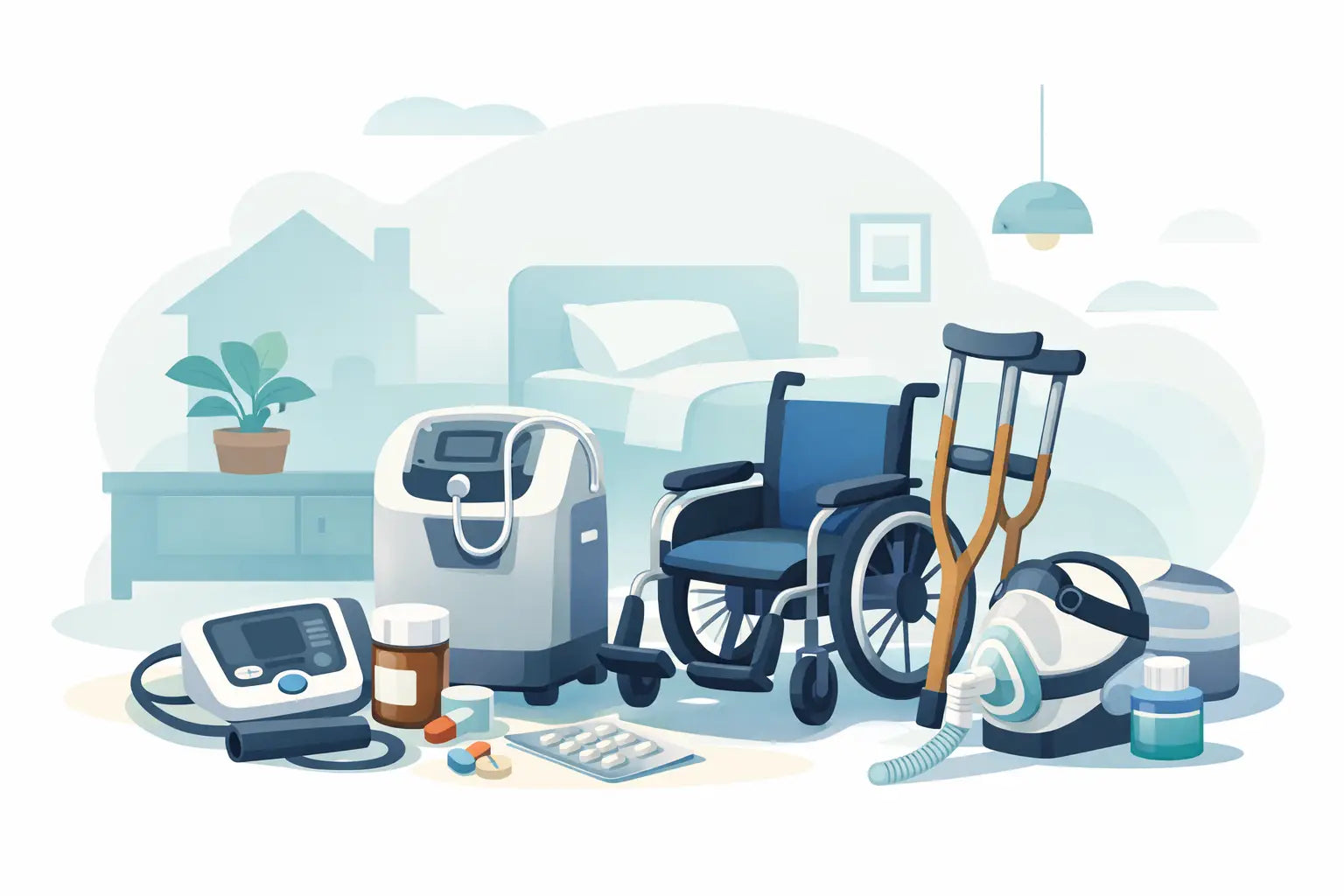
A walker by the bed, a nebulizer on the kitchen counter, a raised toilet seat in the bathroom - this is what home care often looks like in real life. If you have ever asked what is home medical equipment, the short answer is simple: it is the equipment and support products people use at home to manage health needs safely, comfortably, and with more independence.
That simple answer only goes so far, though. Home medical equipment covers a wide range of products, from basic daily-living aids to more specialized devices used during recovery, chronic condition management, or long-term care. For patients, caregivers, and healthcare providers, knowing what falls into this category makes it much easier to choose the right solution and avoid buying products that do not match the need.
What Is Home Medical Equipment and What Does It Include?
Home medical equipment refers to products designed to support medical care, physical function, safety, or symptom management outside of a hospital or clinic. These products are used in private homes, senior living settings, and other residential environments where people need ongoing support but do not require full-time facility-based care.
Some items are highly clinical. Blood pressure monitors, pulse oximeters, diabetic testing supplies, and respiratory devices are used to track or manage health conditions. Other items are more practical than clinical, but still medically relevant. A shower chair, transfer bench, bedside commode, or orthopedic brace may not look like complex equipment, yet each can make home care safer and more manageable.
The category usually includes durable items that are used repeatedly over time, along with condition-specific products and daily support aids. In practical terms, home medical equipment often falls into a few core areas: mobility, bathroom safety, respiratory care, orthopedic support, wound care support, incontinence management, diabetes care, and physical therapy or recovery tools.
Common Types of Home Medical Equipment
Mobility equipment is one of the most recognized categories. This includes walkers, rollators, canes, crutches, wheelchairs, transport chairs, and scooters. These products help people move more safely and reduce fall risk. The right choice depends on strength, balance, home layout, and how much support the user needs.
Bathroom safety equipment is also common because many falls happen in the bathroom. Raised toilet seats, grab bars, shower chairs, bath benches, and commodes can reduce strain and improve safety. These products are especially useful for seniors, people recovering from surgery, and anyone with limited balance or lower-body strength.
Respiratory equipment supports breathing and oxygen-related care. Nebulizers, CPAP accessories, oxygen support items, and related supplies are often used by people with asthma, COPD, sleep-related breathing issues, or other chronic respiratory needs. In this area, product fit and compatibility matter a great deal, especially when replacing parts or accessories.
Orthopedic and recovery products include braces, supports, hot and cold therapy items, compression products, and rehab tools. These are used after injury, after surgery, or during flare-ups of chronic pain conditions. A knee brace or ankle support may seem straightforward, but proper sizing and intended use can affect comfort and results.
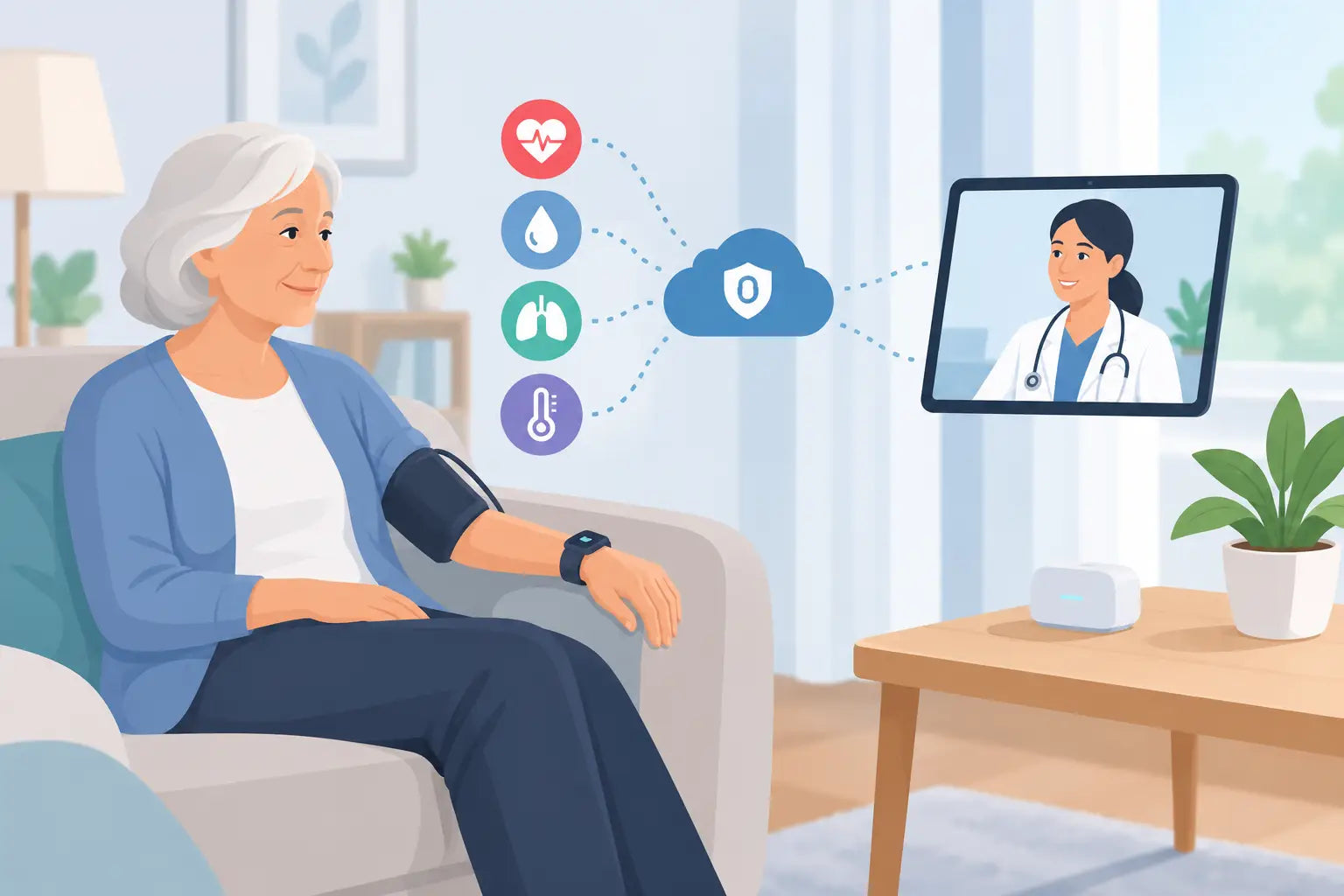
Monitoring and diagnostic devices also belong in this category. Thermometers, blood glucose monitors, blood pressure cuffs, and pulse oximeters allow patients and caregivers to keep track of health data at home. These tools can support treatment plans, help identify changes early, and give providers more information between visits.
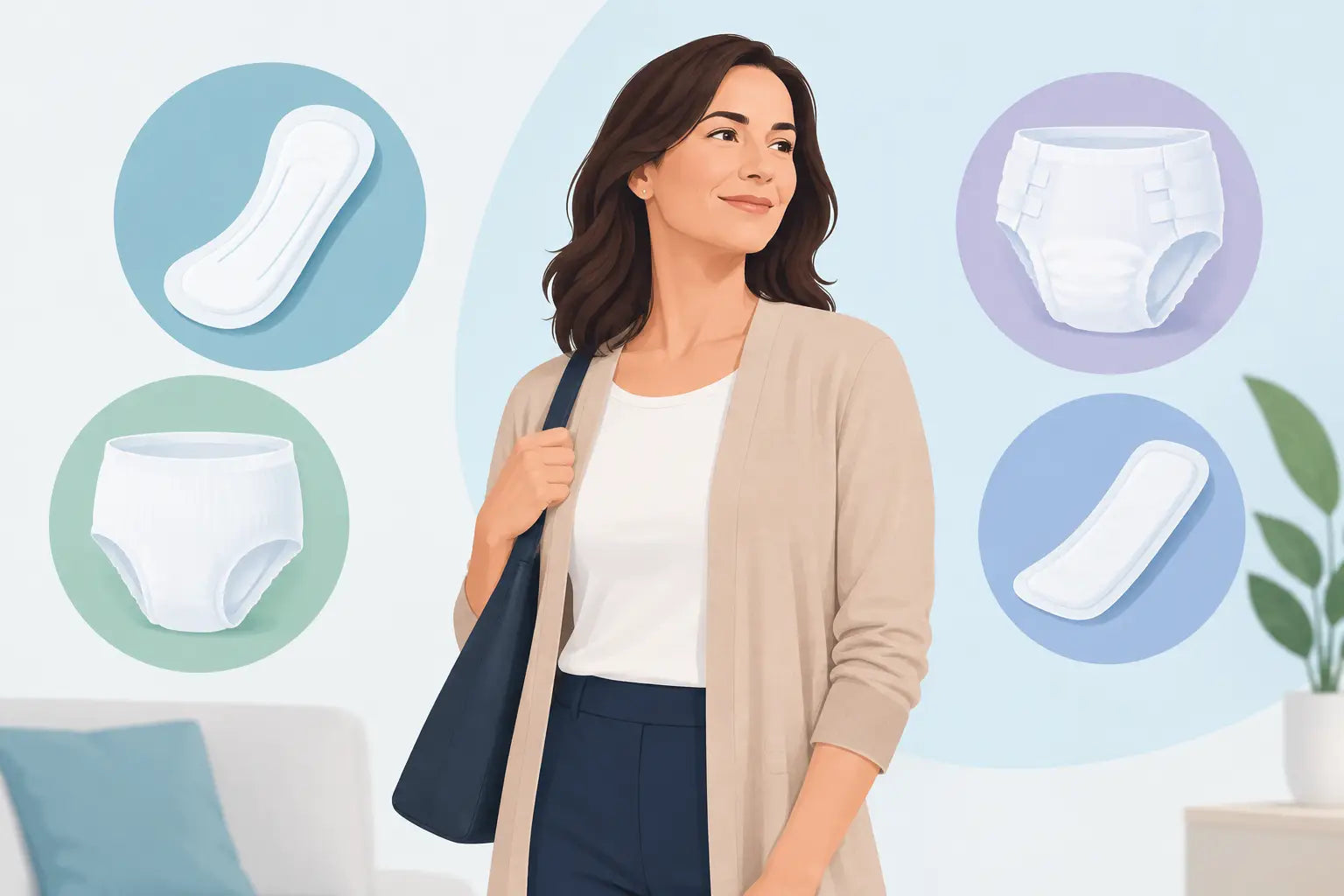
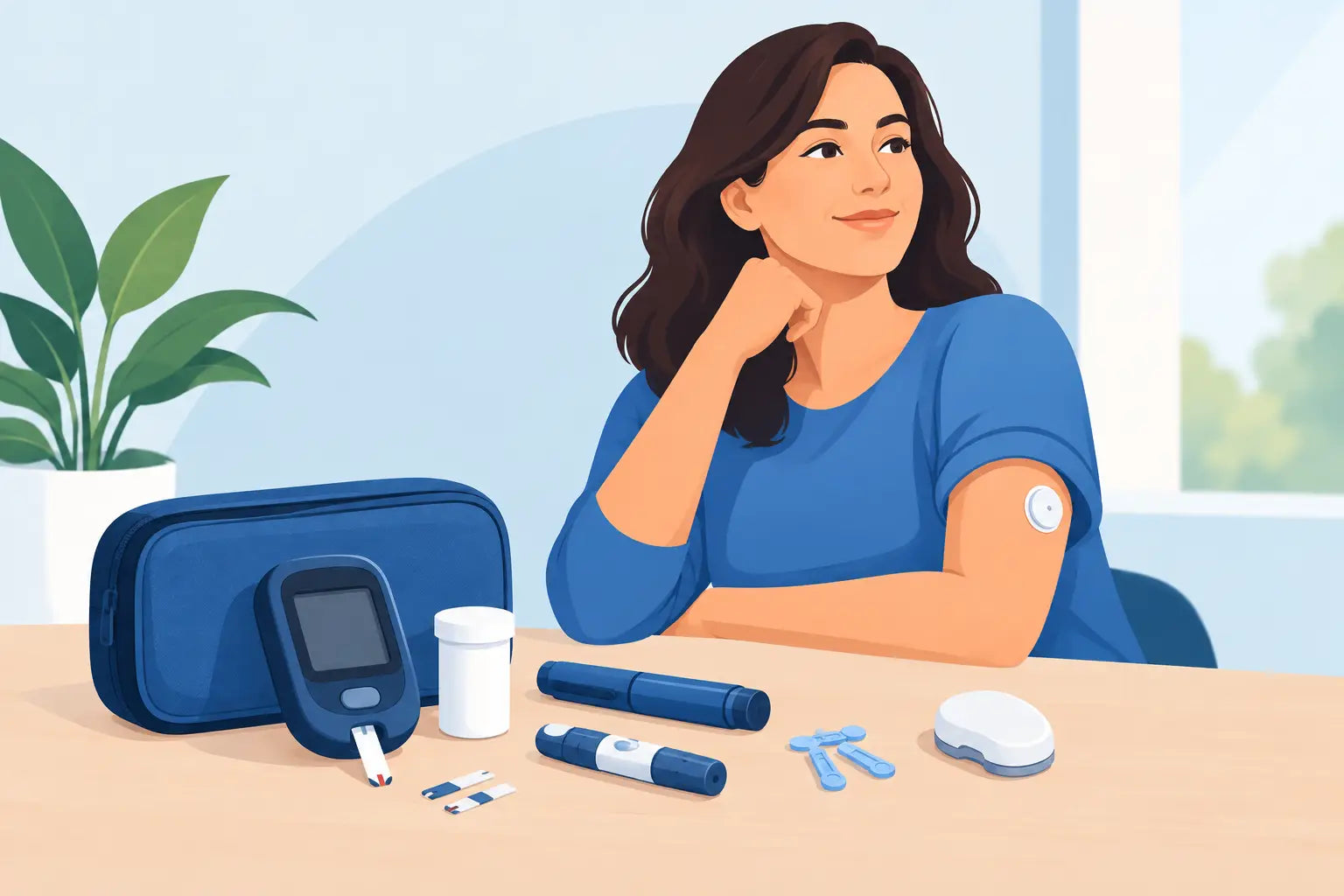
There are also home-use supplies that support everyday medical needs, including wound care products, incontinence supplies, diabetic care products, and personal care items. These may not always be thought of as equipment, but they are often part of the same home care setup and are essential for ongoing treatment and comfort.
Who Uses Home Medical Equipment?
The short answer is that many people do. Home medical equipment is used by older adults who want to stay independent, patients recovering after surgery, people living with chronic conditions, family caregivers, and healthcare professionals coordinating care outside a clinic.
A person recovering from hip replacement may need a walker, shower chair, and raised toilet seat for a few weeks or months. Someone living with diabetes may need testing supplies and foot care support on an ongoing basis. A caregiver helping a parent age at home may need transfer aids, incontinence products, and mobility equipment to make daily care more manageable.
Clinics and providers also rely on home medical equipment as part of discharge planning and continuity of care. Recommending the right equipment can reduce risk at home, support adherence, and improve day-to-day function after a patient leaves a facility.
Why Home Medical Equipment Matters
The value of home medical equipment is not just convenience, although convenience matters. Delivered directly to the home, the right product can save time, reduce unnecessary travel, and make it easier to maintain care routines. But the bigger value is safety and consistency.
A poorly supported home environment can lead to falls, missed treatments, skin breakdown, unmanaged symptoms, and avoidable stress for caregivers. The right equipment helps close that gap. It supports mobility, hygiene, treatment follow-through, monitoring, and comfort in a setting where professional oversight may be limited.
That said, more equipment is not always better. Some homes become cluttered with products that are too bulky, duplicative, or simply wrong for the user. Good home care equipment should fit the person, the space, and the actual level of need.
How to Know What You Need
Start with the reason the product is needed. Is the goal to prevent falls, manage a chronic condition, recover after a procedure, or make caregiving easier? The answer shapes the category and level of support required.
Then look at the environment. A wheelchair that works well in a facility may be difficult to use in a narrow hallway at home. A bedside commode may help in a two-story house where the bathroom is far from the bedroom. A rollator may be useful for someone who needs rest breaks, but less appropriate if lifting and transport are the top concern.
It also helps to think about duration. Some equipment is for short-term recovery, while other products support long-term care. If the need is temporary, simplicity and value may matter most. If the equipment will be used daily for months or years, durability, adjustability, and comfort become much more important.
For medically specific products, follow provider guidance when available. This is especially true for respiratory items, compression products, orthopedic supports, and monitoring devices where size, pressure level, or compatibility can affect performance.
What Counts as Durable Medical Equipment?
People often use the terms interchangeably, but home medical equipment and durable medical equipment are not always exactly the same. Durable medical equipment, often called DME, usually refers to reusable medical items intended for repeated use over time, such as wheelchairs, walkers, hospital beds, or commodes.
Home medical equipment is a broader term. It may include DME, but it can also include consumable supplies and home-use support products that are not always classified the same way for insurance or billing purposes. That distinction matters if you are shopping based on reimbursement rules, but for most families and caregivers, the practical question is simpler: does this product help provide safe and effective care at home?
Choosing a Reliable Supplier
Product selection matters, but so does where you buy. A dependable medical supply partner should make it easy to find products by category or condition, confirm basic product details, and order what you need without guesswork. For many buyers, especially caregivers and busy practices, broad inventory and dependable fulfillment are just as important as price.
It also helps to buy from a supplier that serves both consumers and healthcare professionals. That usually means a stronger product mix, more medically relevant options, and better support for repeat purchasing across multiple care needs. US MedResources is one example of that kind of service-focused supplier, offering home-use products and clinic support items in one place.
A Practical Way to Think About Home Medical Equipment
If you are still asking what is home medical equipment, think of it as the tools that make care possible outside a medical facility. Some products help people move. Some help them breathe, monitor symptoms, recover, or stay safe during daily routines. Others support caregivers and reduce strain in the home.
The right equipment does not have to be complicated. It just has to match the need, fit the setting, and support better care where people actually live. When that happens, home care becomes more manageable, more dignified, and far more sustainable day to day.