Call Us -
Cart
0
If you are setting up care at home or ordering for a practice, one question comes up fast: what is durable medical equipment and supplies, and which items actually fall into each category? The distinction matters because it affects how you shop, what you replace regularly, how you plan for long-term care, and in some cases how insurance may classify a product.
At the simplest level, durable medical equipment refers to medical items built for repeated use over time. Supplies are the supporting products that are often disposable, short-term, or used up as part of daily care. Both are essential. One is not more important than the other. A walker may help a patient move safely through the home, but wound dressings, incontinence products, or diabetic testing supplies may be just as critical to day-to-day health.
What is durable medical equipment and supplies?
Durable medical equipment, often called DME, includes products that are designed to withstand repeated use and provide a medical benefit in the home or clinical setting. These are not one-time-use items. They are typically made to support mobility, safety, treatment, or daily function over months or years.
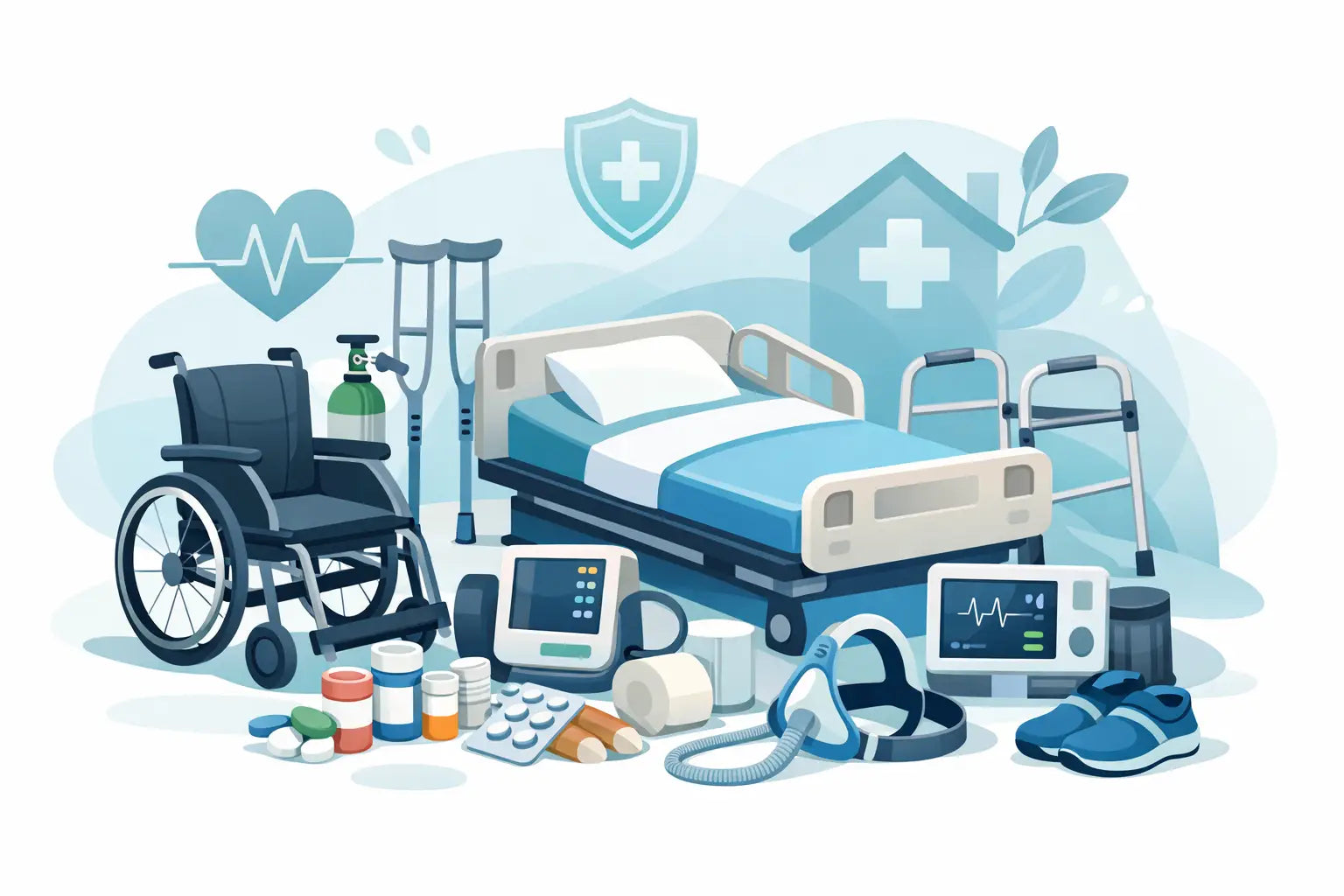
Common examples include wheelchairs, walkers, rollators, hospital beds, bedside commodes, patient lifts, nebulizers, CPAP-related machines, and certain orthopedic support devices. A product usually qualifies as durable medical equipment when it serves a medical purpose, is appropriate for home use, and can be used again and again.
Medical supplies are different. Supplies are often consumable or replaced frequently. Think of gloves, gauze, ostomy products, catheters, underpads, test strips, lancets, wound dressings, and personal protective items. These products support treatment and care, but they are not meant to last in the same way a wheelchair or transfer bench does.
That said, the line is not always perfectly sharp. Some items sit in the middle depending on how they are designed, how often they are replaced, and how a payer or provider classifies them. A brace, for example, may be durable in one case and more short-term in another. That is why it helps to shop by need first, then by product type.
Why the difference matters
For caregivers, patients, and practice buyers, understanding the difference can make purchasing much easier. Durable equipment usually requires more attention to fit, dimensions, weight capacity, and long-term usability. Supplies often require attention to size, absorption level, compatibility, and refill frequency.
A patient recovering from surgery may need a raised toilet seat for several months and also need wound care supplies that are reordered every week. A diabetic patient may rely on a long-term sharps container setup and also need ongoing testing supplies. A clinic may purchase physician exam room products that last for years while also ordering gloves and disposable table paper every month.
This is why planning matters. Equipment is often a higher-consideration purchase. Supplies are often routine purchases that need dependable restocking. When both are managed well, care runs more smoothly.
Common types of durable medical equipment
Mobility equipment is one of the most recognized DME categories. This includes canes, crutches, walkers, transport chairs, manual wheelchairs, and mobility aids that help reduce fall risk and improve independence. The right choice depends on the user’s strength, balance, home layout, and whether the product is for short recovery or long-term use.
Bedroom and bathroom safety products are also major parts of DME. Hospital beds, overbed tables, bedside commodes, shower chairs, transfer benches, grab-assist devices, and lift chairs can make home care safer for both the patient and the caregiver. These products are often chosen when someone is aging in place, recovering after a hospital stay, or managing a chronic condition that changes daily function.
Respiratory and treatment equipment may also fall under durable medical equipment. Nebulizers, oxygen-related accessories in some cases, suction machines, and sleep-related equipment are common examples. These items support ongoing treatment, and reliability matters because they are tied directly to daily health needs.
Orthopedic and rehabilitation equipment can fit under DME as well, depending on the item. Physical therapy supports, exercise pedals, recovery aids, and certain braces or immobilizers may be used repeatedly over time. Here again, classification can depend on intended use and product construction.
What counts as medical supplies?
Supplies are the products that keep care moving day after day. Wound care is a clear example. Dressings, gauze, tape, cleansing products, and protective barriers are used regularly and replaced as needed. These are core care items, but they are not built for years of use.
Incontinence supplies are another major category. Briefs, liners, underpads, and skin care support products are used continuously in many home care settings. They are practical, necessary, and often purchased on a repeat basis.
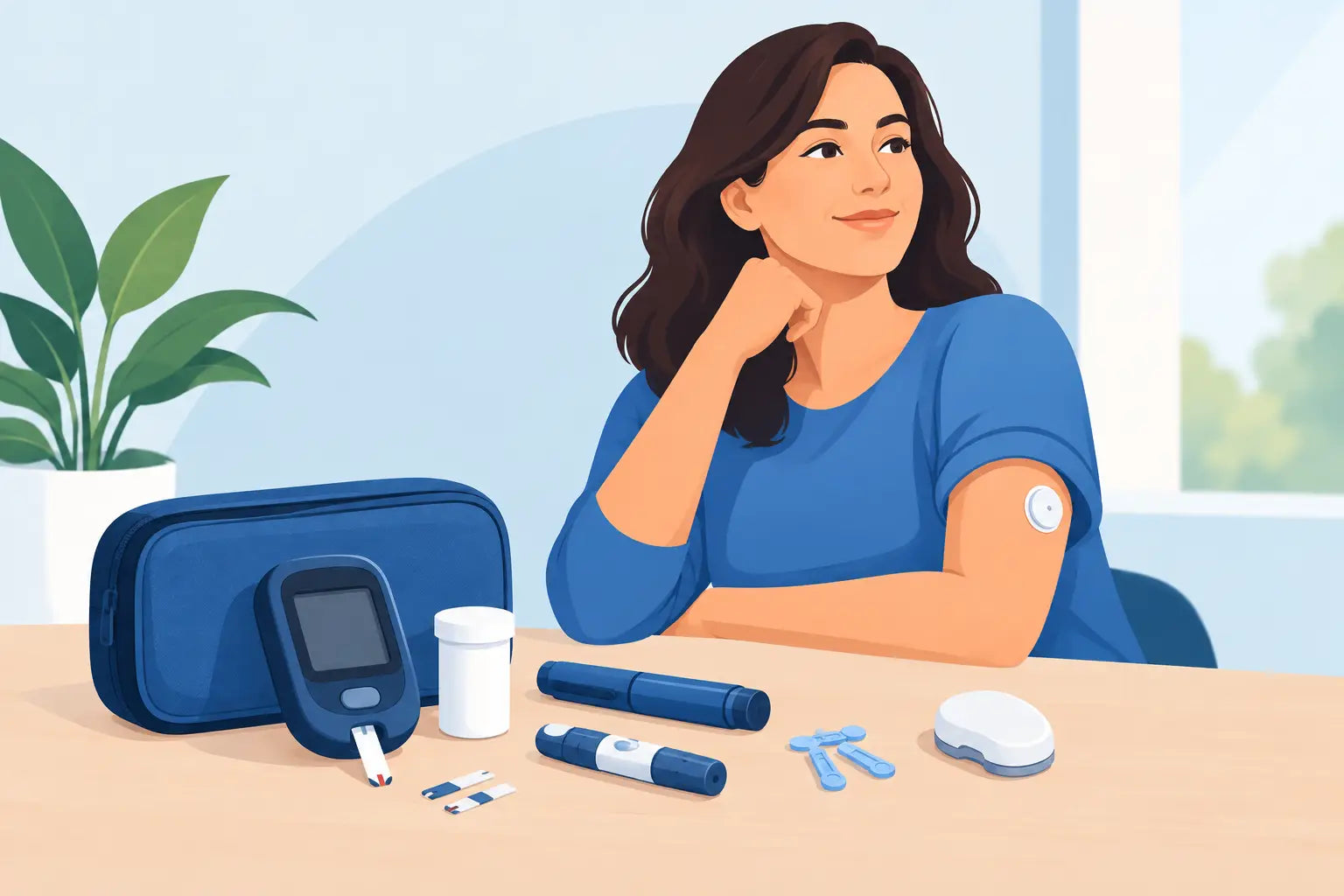
Diabetes care also includes a large supply component. Test strips, lancets, alcohol prep pads, and related monitoring accessories need regular replacement. The same pattern applies to ostomy products, urological supplies, personal protective products, and many clinic consumables.
For healthcare professionals, supplies are often where consistency matters most. Running low can interrupt patient care. For home users, missing routine supplies can turn a manageable condition into a stressful day. That is why dependable ordering and direct delivery are not small conveniences. They are part of good care planning.
How to know what you need
The best starting point is the care goal. Are you trying to improve mobility, reduce fall risk, support recovery, manage a chronic condition, or equip a practice for routine patient visits? Once the goal is clear, the product categories become easier to narrow.
If the need is long-term support, durable medical equipment may be the first priority. If the need involves daily treatment, hygiene, testing, or protection, supplies may be the bigger part of the order. In many cases, the right answer is both.
It also helps to think about who will use the product and where. A caregiver assisting an older adult at home will need different features than a physical therapy clinic ordering for multiple patients. Weight capacity, portability, storage, surface materials, and ease of cleaning all matter. For supplies, absorbency, skin sensitivity, size, and frequency of use often matter more.
When in doubt, keep the selection process practical. Start with the medical need, confirm the user’s measurements or environment, and order products that match the level of care actually required. Buying too little can create risk. Buying too much complexity can make daily use harder than it needs to be.
A few common gray areas
Some products do not fit neatly into one box. Compression items, braces, and supports may be durable enough for repeated use but still need replacement on a shorter cycle. Certain respiratory accessories may work like supplies even when connected to durable equipment. Cushions, pads, and covers may be accessories rather than stand-alone DME.
This is where product descriptions and intended use matter. If an item is expected to remain part of the patient’s setup over time, it leans toward equipment. If it is consumed, replaced frequently, or tied to single-patient ongoing use, it often leans toward supplies. There are exceptions, so a careful product review is always worth the extra minute.
Shopping for home or clinic without overbuying
A smart order balances immediate need with ongoing use. For equipment, focus on safety, durability, and fit. For supplies, focus on refill timing and realistic usage rates. A home caregiver may only need one bath bench but several weeks of wound care products. A provider may need one exam stool and steady recurring cases of gloves and drapes.
This is also where a broad catalog helps. Being able to source mobility products, diabetic care, wound care, orthopedic items, respiratory support, and physician supplies from one dependable supplier saves time and reduces missed items. For many buyers, convenience is not just about speed. It is about knowing the next needed product is easy to find and delivered directly to your door.
US MedResources serves that kind of buyer - the family caregiver trying to make home care easier, the adult managing a chronic condition, and the healthcare practice that needs reliable restocking without a complicated ordering process.
What to remember about durable medical equipment and supplies
If you are still asking what is durable medical equipment and supplies, the clearest answer is this: durable medical equipment is built to support care over time, while supplies support the daily tasks, treatments, and routines that keep care going. One provides the structure. The other supports the ongoing work.
The right mix depends on the condition, the setting, and how care is delivered. A temporary recovery plan will look different from long-term home management. A single patient order will look different from a clinic restock. What stays the same is the need for dependable products that are easy to choose and easy to reorder.
When you shop with the care goal in mind, the categories start to make sense. And once they do, it becomes much easier to build a setup that supports comfort, safety, and everyday confidence.