Call Us -
Cart
0
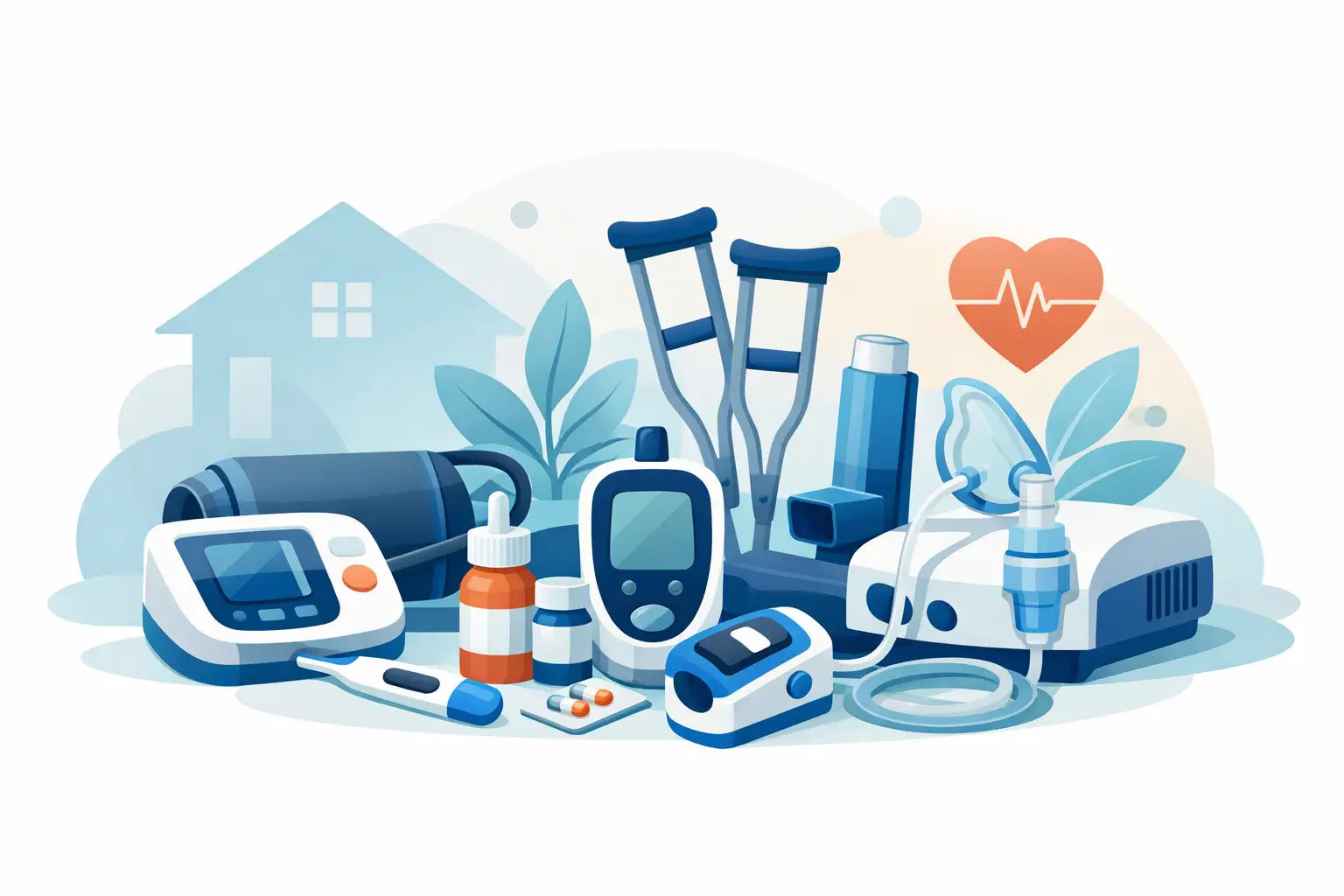
A walker by the bed, a blood pressure monitor on the kitchen counter, and a nebulizer packed for travel - this is what modern home care often looks like. A reliable list of medical equipment used at home helps patients, caregivers, and providers choose the right tools for day-to-day safety, recovery, and long-term condition management.
Home medical equipment is not one-size-fits-all. The right setup depends on mobility, diagnosis, home layout, and how much support a person has each day. Some households need only a few basics. Others need a more complete care station that supports bathing, transfers, respiratory needs, wound care, or diabetes management.
Why a list of medical equipment used at home matters
When equipment is chosen well, care gets easier and safer. It can reduce fall risk, support treatment plans, improve comfort, and help family caregivers manage daily routines with less strain. For clinics and discharge planners, having a clear list also makes it easier to guide patients toward products they will actually use at home.
The trade-off is that more equipment is not always better. A large bedside commode may be helpful in one home and a poor fit in another. A manual wheelchair may work well for short outings but be frustrating inside a narrow apartment. The best approach is practical - match the product to the patient, the space, and the frequency of use.
Core items on a list of medical equipment used at home
Mobility and transfer equipment
Mobility products are often the first category people think about, and for good reason. Walkers, rollators, canes, crutches, wheelchairs, and transport chairs help people move more safely and conserve energy. They are commonly used after surgery, during rehab, or for long-term support with balance issues, weakness, or joint pain.
Transfer equipment matters just as much. Bed rails, transfer benches, gait belts, lift aids, and patient transfer boards can make a major difference for both patient safety and caregiver strain. If someone has trouble getting in and out of bed, rising from a chair, or stepping into a tub, transfer support may be more urgent than a new walker.
Bathroom safety equipment
The bathroom is one of the highest-risk areas in the home. Wet floors, tight spaces, and repeated sitting and standing make it a common place for falls. A shower chair, tub transfer bench, raised toilet seat, toilet safety frame, bedside commode, and grab bars can reduce that risk.
This category is often overlooked until there is a near fall. That delay can make recovery harder, especially after surgery or hospitalization. For many households, bathroom safety equipment is one of the most cost-effective upgrades they can make.
Bedroom and support surfaces
A proper sleep and recovery setup can improve comfort and skin protection. Common equipment in this group includes hospital beds, overbed tables, pressure relief mattresses, mattress overlays, wedge pillows, and bed assist handles.
These items are especially useful for people with limited mobility, chronic pain, edema, or a need for position changes throughout the day. A standard bed may still work for some patients, but when transfers become difficult or pressure injury risk increases, a more supportive setup becomes a clinical need rather than a convenience.
Respiratory care equipment
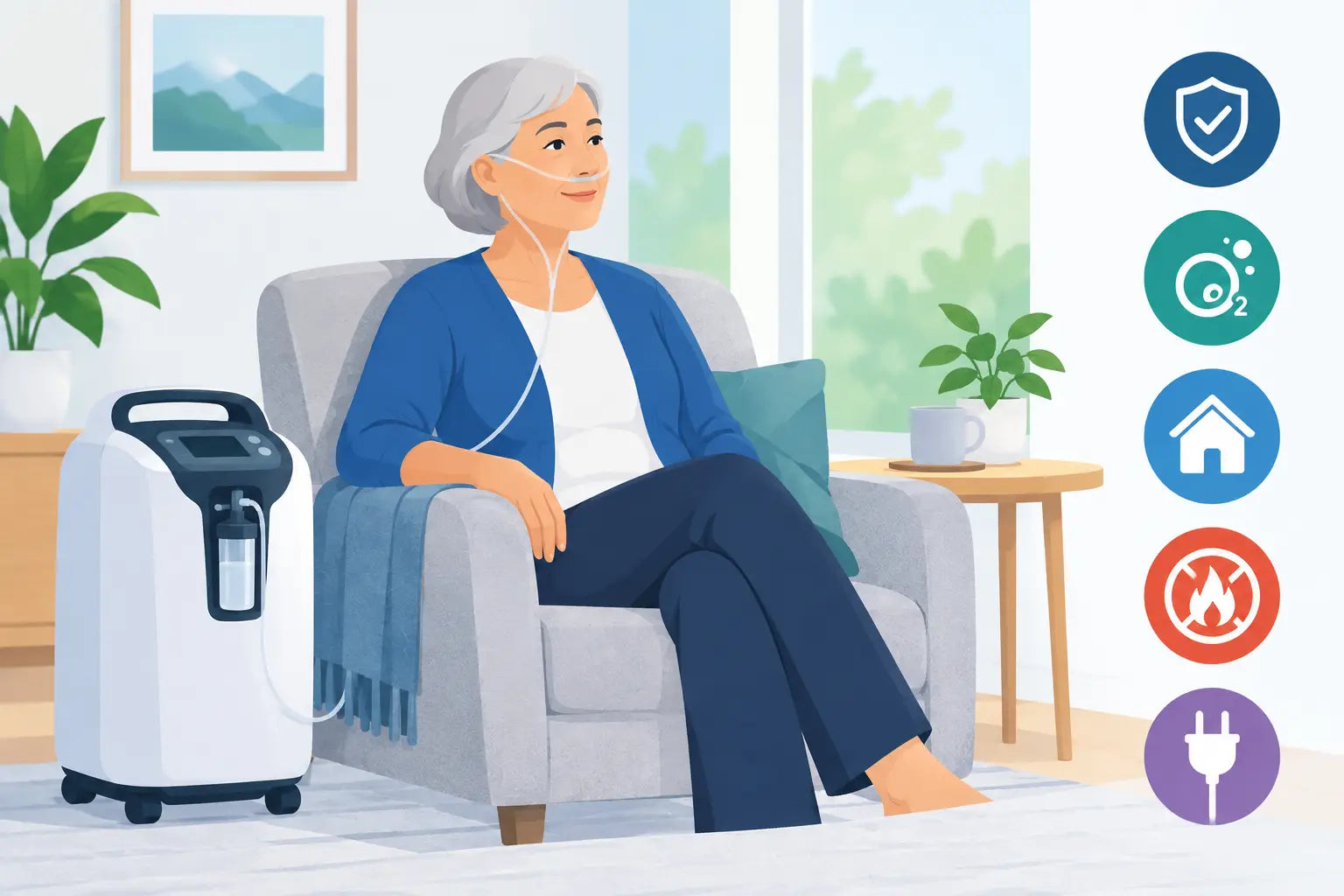
Respiratory equipment is essential for many patients managing short-term illness or chronic conditions at home. Nebulizers, CPAP accessories, pulse oximeters, oxygen-related supplies, suction units, and humidification support products are common examples.
The right respiratory products depend on the care plan. A pulse oximeter may help monitor oxygen saturation trends, while a nebulizer supports medication delivery. Not every patient needs advanced equipment, but when breathing support is part of daily care, dependable supplies are a priority and refill access matters.
Monitoring and diagnostic devices
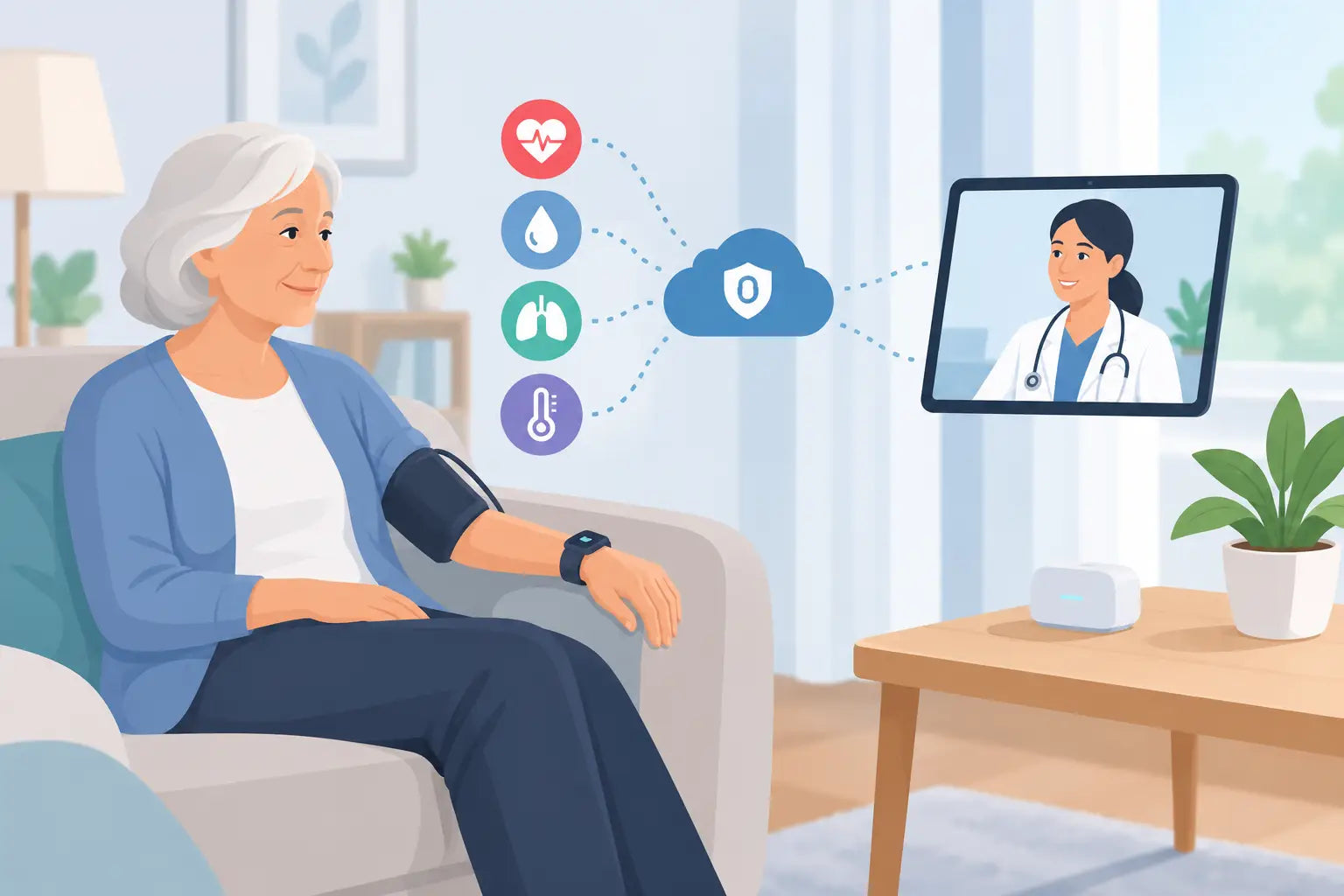
Home monitoring devices help patients and caregivers track changes early. Blood pressure monitors, thermometers, blood glucose meters, pulse oximeters, and digital scales are among the most frequently used products.
These tools are especially helpful for chronic disease management. A patient with hypertension may need daily readings. A person with diabetes may check glucose multiple times a day. Someone with heart failure may be told to watch for sudden weight gain. In each case, the equipment supports faster decision-making and more informed communication with a provider.
Diabetes care equipment
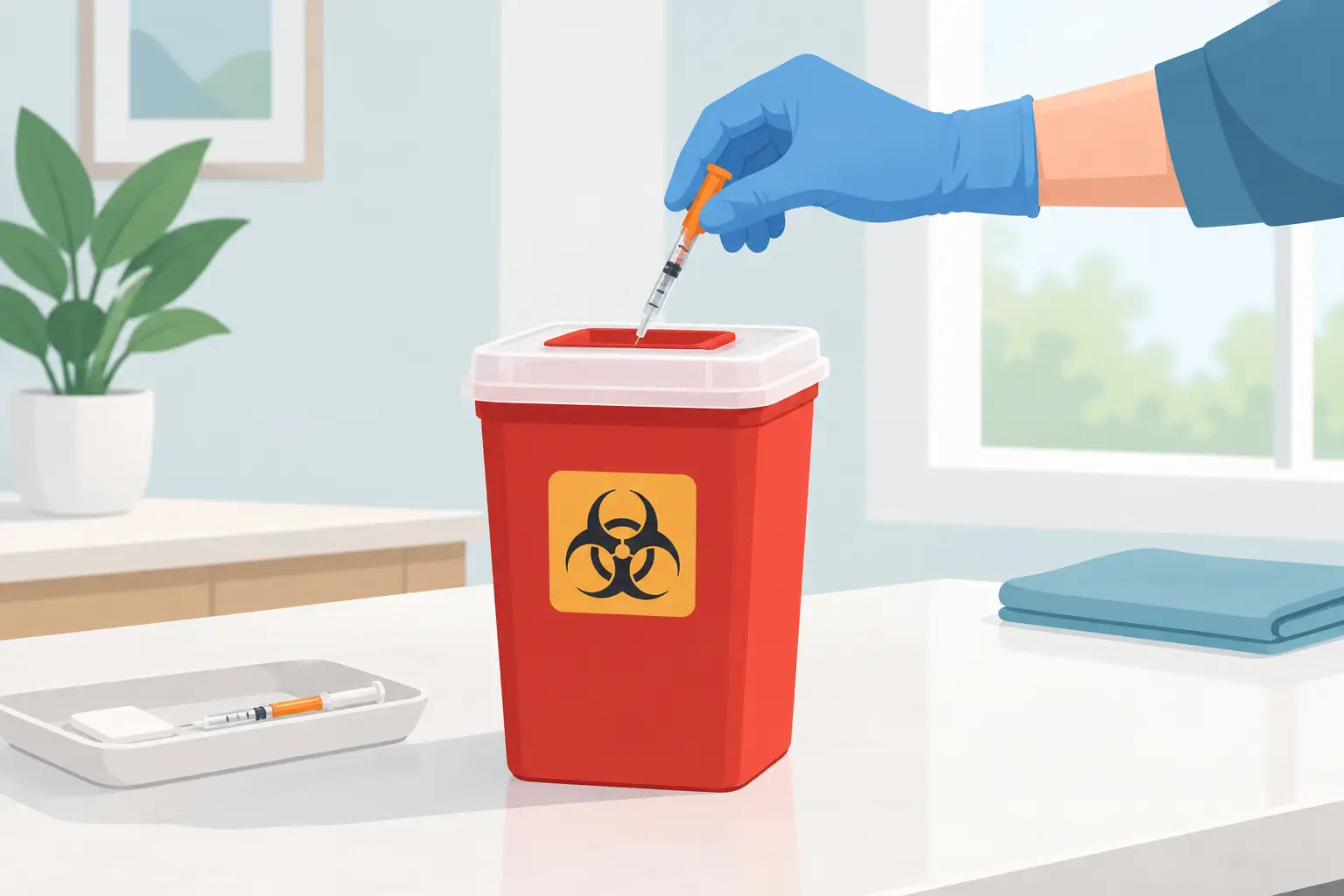
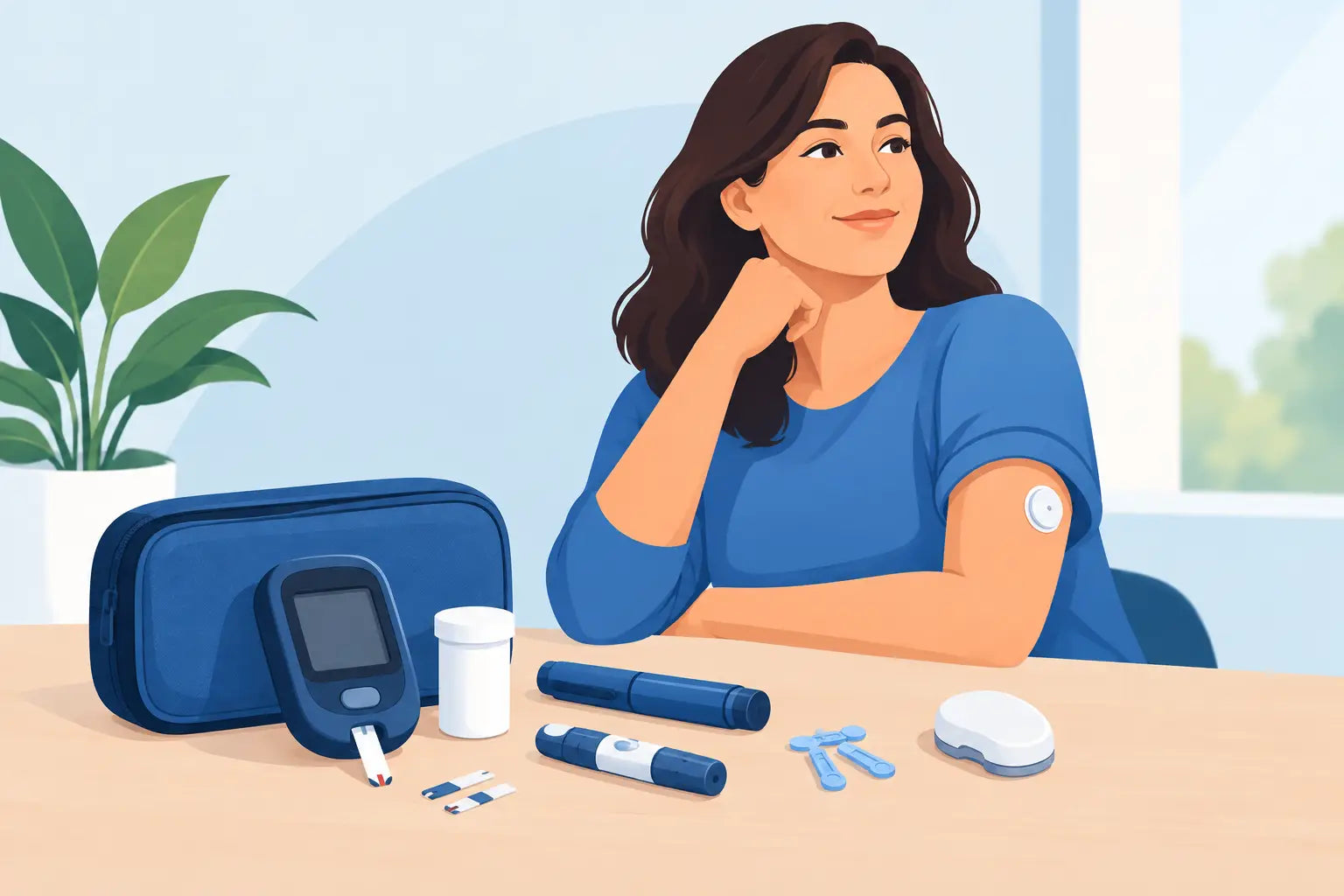
For many households, diabetes care is a daily routine rather than an occasional need. Blood glucose monitoring supplies, lancets, test strips, sharps containers, and foot care products are common home essentials. Some patients also need supportive skin care or compression-related products, depending on circulation and neuropathy concerns.
Consistency matters here. Running out of testing supplies creates avoidable gaps in care, so reliable reordering is part of good home management. For caregivers and office staff helping patients maintain supply continuity, convenience is not just helpful - it affects compliance.
Wound care and skin protection
Wound care at home ranges from basic dressing changes to more ongoing skin management. Gauze, tapes, dressings, wound cleansers, gloves, antimicrobial products, skin barriers, and pressure relief items are all common parts of a home care routine.
This is one area where product choice should follow clinical guidance. A dressing that works for a minor abrasion is not the same as one used for a draining wound or fragile skin. Home users benefit from simple ordering and clear product options, but they still need to match supplies to the wound type and frequency of care.
Orthopedic and rehabilitation equipment
Recovery after injury or surgery often requires support beyond rest. Braces, supports, compression products, hot and cold therapy items, exercise bands, therapy tools, and positioning aids help patients regain strength and manage pain.
Some equipment is short-term. A knee brace after a strain may only be needed for a few weeks. Other items, such as therapy supplies for arthritis or stroke recovery, may remain part of the home for much longer. The practical question is whether the item supports daily function enough to justify the space and cost.
Incontinence and personal care supplies
Home care often includes needs that people prefer to keep private, but these products are central to dignity and hygiene. Adult briefs, underpads, protective underwear, cleansers, gloves, wipes, and skin protection products help manage daily continence care safely and comfortably.
The best choices depend on absorbency needs, mobility level, skin sensitivity, and how often changes are needed. A caregiver may focus on ease of use and overnight protection, while an independent user may prioritize discretion and fit.
Emergency and first aid basics
Every home should have a basic emergency and first aid setup, especially when someone is managing a chronic condition or recovering after discharge. Bandages, antiseptics, gloves, cold packs, thermometers, and basic support wraps are common starting points.
This category does not replace emergency treatment, but it helps families respond quickly to minor issues and monitor symptoms while deciding whether to call a provider. For clinics sending patients home, these basics can prevent unnecessary stress over manageable situations.
How to choose the right equipment for home use
Start with the care need, not the catalog. Ask what problem the equipment is solving. Is it preventing falls, supporting treatment, improving comfort, or helping a caregiver manage transfers? That answer usually narrows the search faster than brand names or product features.
Next, consider the home itself. Measure doorways, bathrooms, bed height, and storage space. A wheelchair that fits the user but not the hallway is not a good purchase. A shower bench that is stable in one tub may not fit another. Small details matter because home equipment has to work in real rooms, not just on a product page.
Usage level matters too. For occasional support, a simple cane or basic commode may be enough. For daily use, durability and comfort become more important. Providers and experienced caregivers usually know this already, but many home shoppers underestimate wear and tear until a product is used several times a day.
Who typically needs home medical equipment
This equipment serves a wide range of users. Seniors aging in place often need mobility and bathroom safety products. Patients recovering from orthopedic procedures may need temporary rehab and transfer support. People managing diabetes, respiratory conditions, or chronic wounds may need ongoing monitoring and treatment supplies. Clinics and physician offices may also purchase home-use products to support discharge planning and patient continuity.
That is why a broad selection matters. One household may need only a blood pressure monitor and a raised toilet seat. Another may need wound supplies, a walker, incontinence products, and respiratory support delivered on a regular schedule. The right supplier should make both situations easy to manage.
If you are building out a dependable home care setup, keep the process simple. Focus on the equipment that improves safety, supports the treatment plan, and fits the space you actually live in. When you can order practical solutions in one place, from mobility to wound care to respiratory support, home care becomes more manageable and less stressful for everyone involved.