Call Us -
Cart
0
A late-night fever, a sudden dizzy spell, or a difficult week after surgery can make one thing very clear fast - the right supplies at home save time, reduce stress, and help you respond with more confidence. If you have ever asked, what medical equipment should I have at home, the best answer is not to buy everything. It is to build a practical setup based on the people in your household, the conditions you manage, and the kind of care you may need between doctor visits.
For most homes, the goal is readiness, not turning a spare room into a clinic. A good home medical setup usually includes basic monitoring tools, first aid supplies, a few recovery and mobility aids if needed, and condition-specific equipment for ongoing care. What belongs in your home depends on age, health status, fall risk, chronic illness, and whether you are caring for yourself, a parent, a child, or a recovering patient.
What medical equipment should I have at home for everyday readiness?
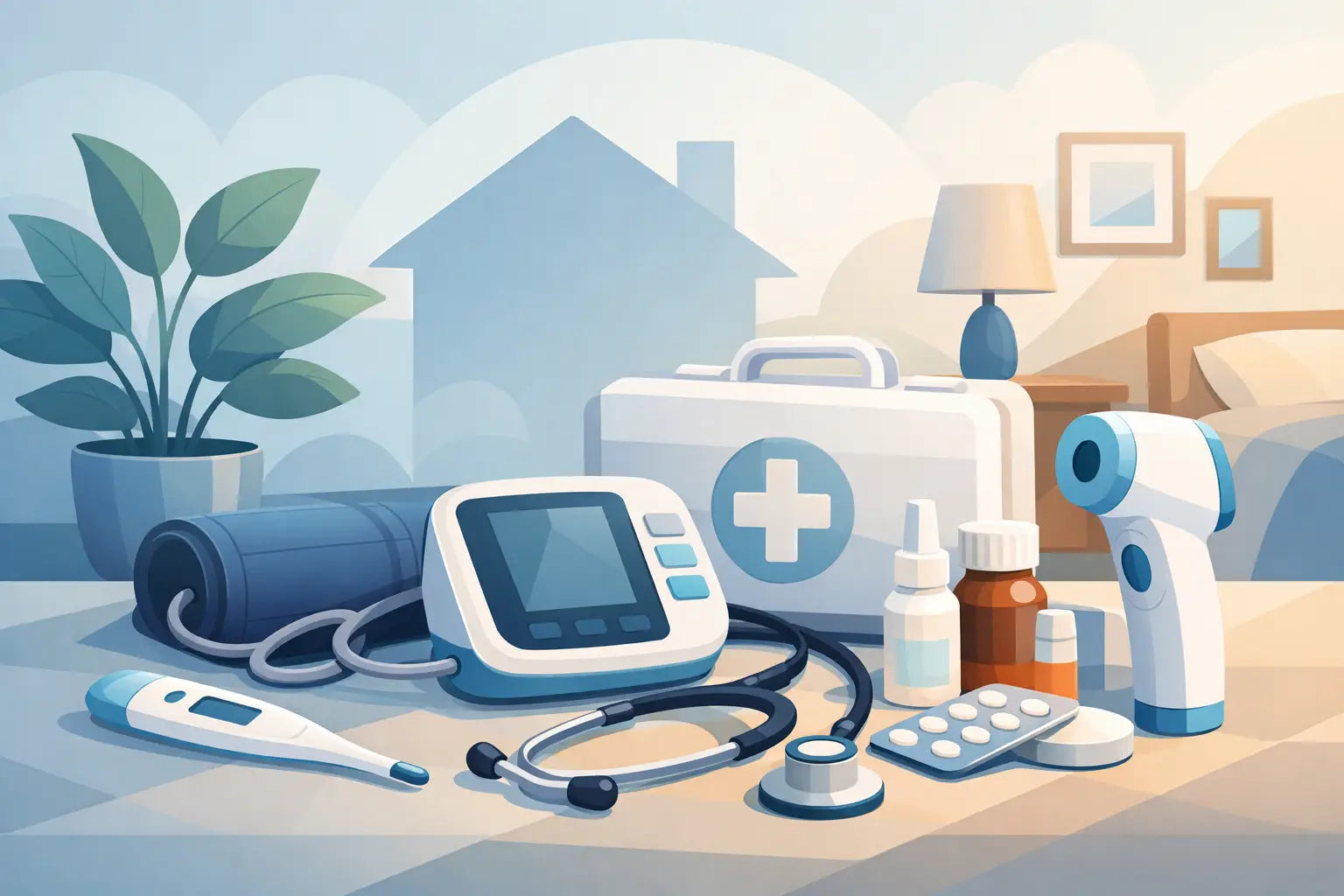
Start with the equipment that supports everyday health checks and common minor issues. A digital thermometer is one of the first items every household should keep on hand. When someone feels sick, a reliable temperature reading helps you decide whether rest at home makes sense or whether it is time to call a provider.
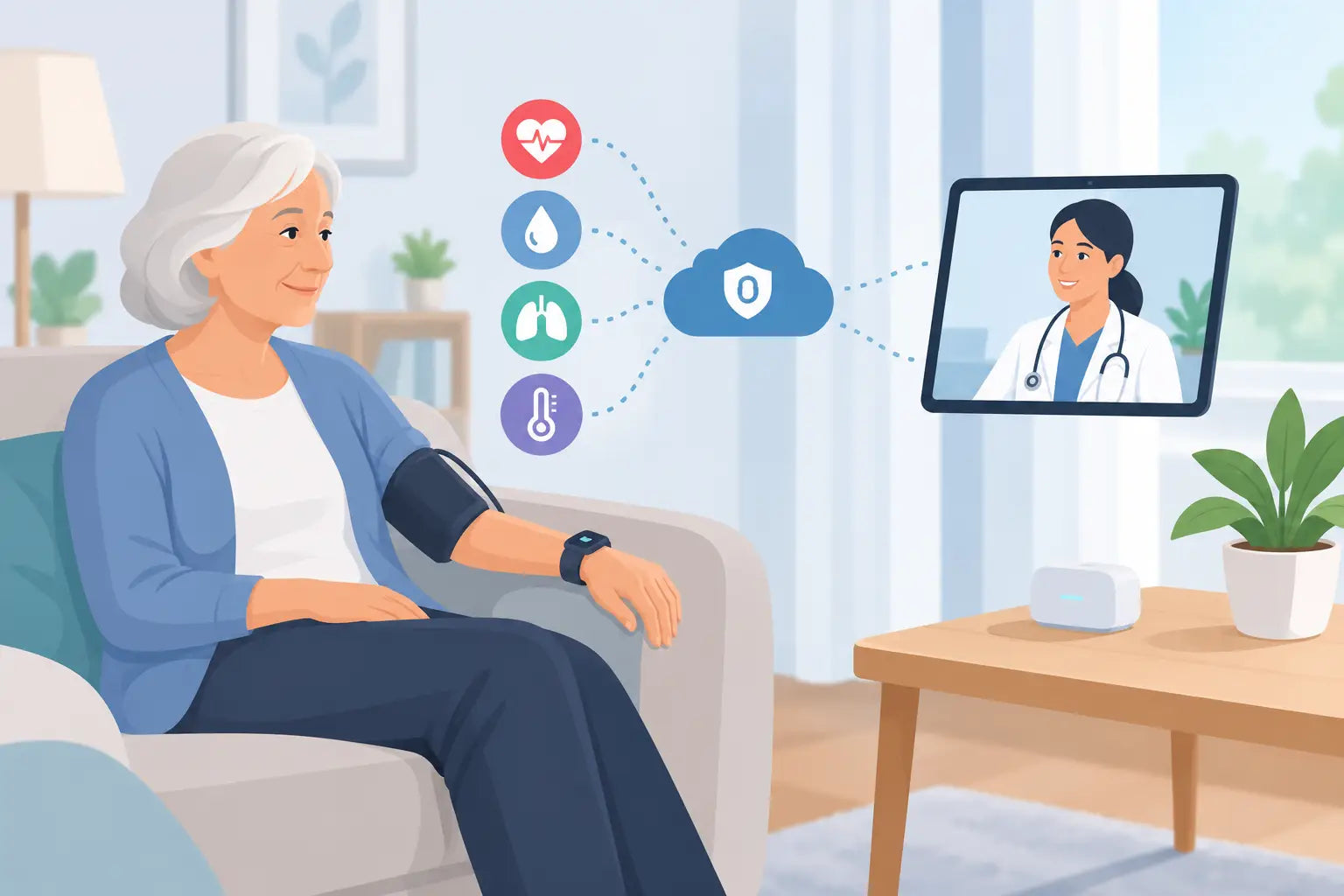
A blood pressure monitor is another smart addition, especially for adults over 40, people with heart concerns, pregnant patients, or anyone managing stress, dizziness, or medication changes. Home readings can be useful because they show trends over time, not just a single number taken during an office visit. An automatic upper-arm monitor is usually easier to use and more dependable than wrist models.
A pulse oximeter can also be helpful, particularly in homes where someone has asthma, COPD, sleep-related breathing concerns, or a respiratory infection. It gives a quick look at oxygen saturation and pulse rate. That said, it should never replace clinical judgment. If someone is struggling to breathe, symptoms matter more than the number on the screen.
Many households also benefit from a basic scale. For general wellness it is useful, but for people with heart failure, kidney concerns, or significant fluid retention, daily weight tracking may be part of a provider's instructions. In that situation, a home scale becomes more than a convenience.
Build a first aid foundation that actually gets used
The most useful first aid supplies are the ones you can reach quickly and replace easily. Adhesive bandages, sterile gauze, medical tape, antiseptic wipes, nonstick dressings, disposable gloves, tweezers, and instant cold packs cover a lot of common situations. A simple first aid kit works well for minor cuts, blisters, scrapes, and small burns.
It also helps to keep wound care supplies that match your household's needs. Families with children may go through basic bandages often. Older adults with fragile skin may need gentler dressings and skin protection products. If someone in the home is recovering from surgery, you may need more specific wound care items based on discharge instructions.
Do not overlook medication support items. A pill organizer, medicine cup, oral syringe, and a clearly stored list of medications can make day-to-day care easier, especially for caregivers. If multiple people in the home take prescriptions, labeling and organization matter just as much as the supplies themselves.
Monitoring equipment matters more when a condition is ongoing
If someone in your home manages a chronic health condition, the answer to what medical equipment should I have at home becomes more specific. A one-size-fits-all checklist stops being useful at that point.
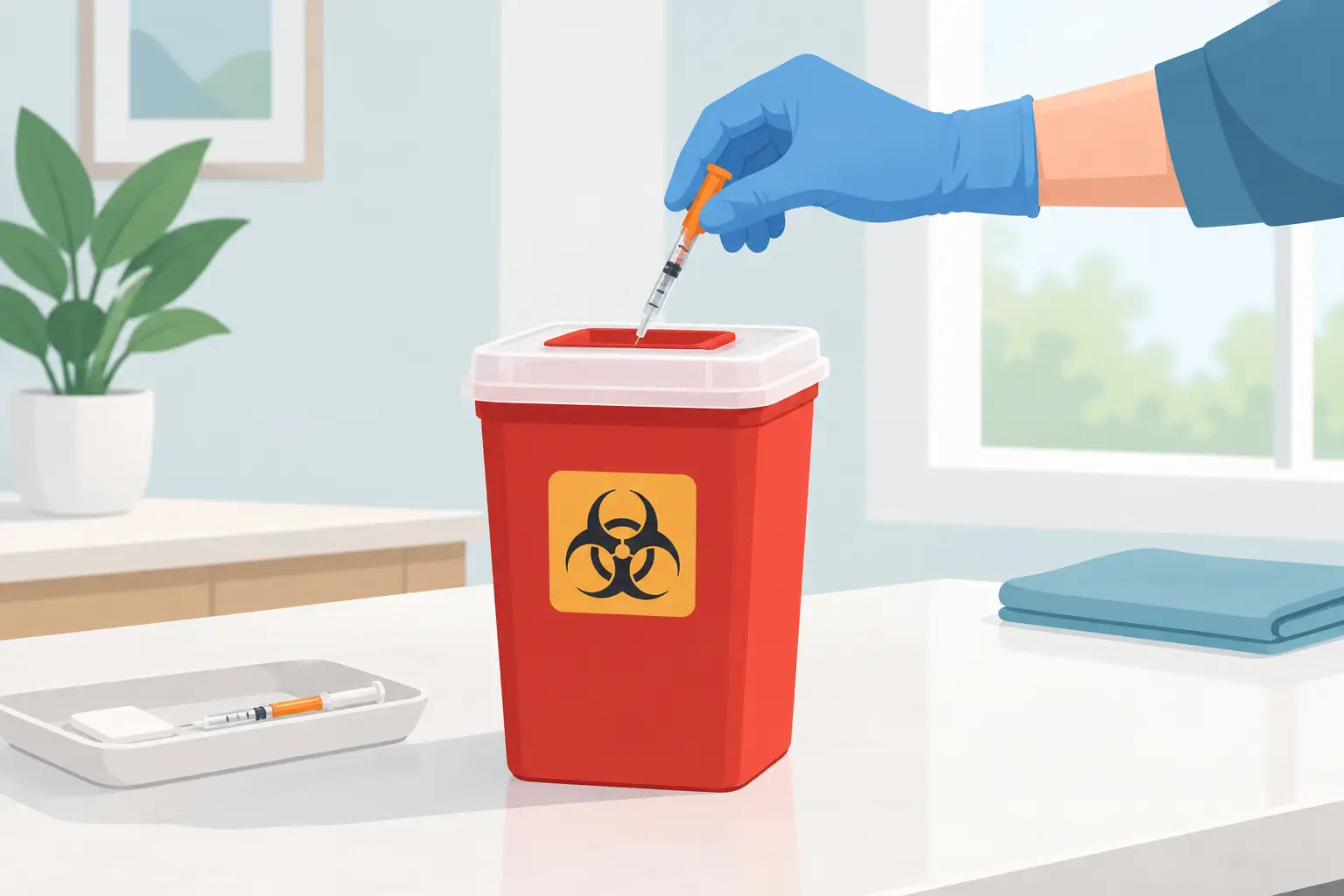
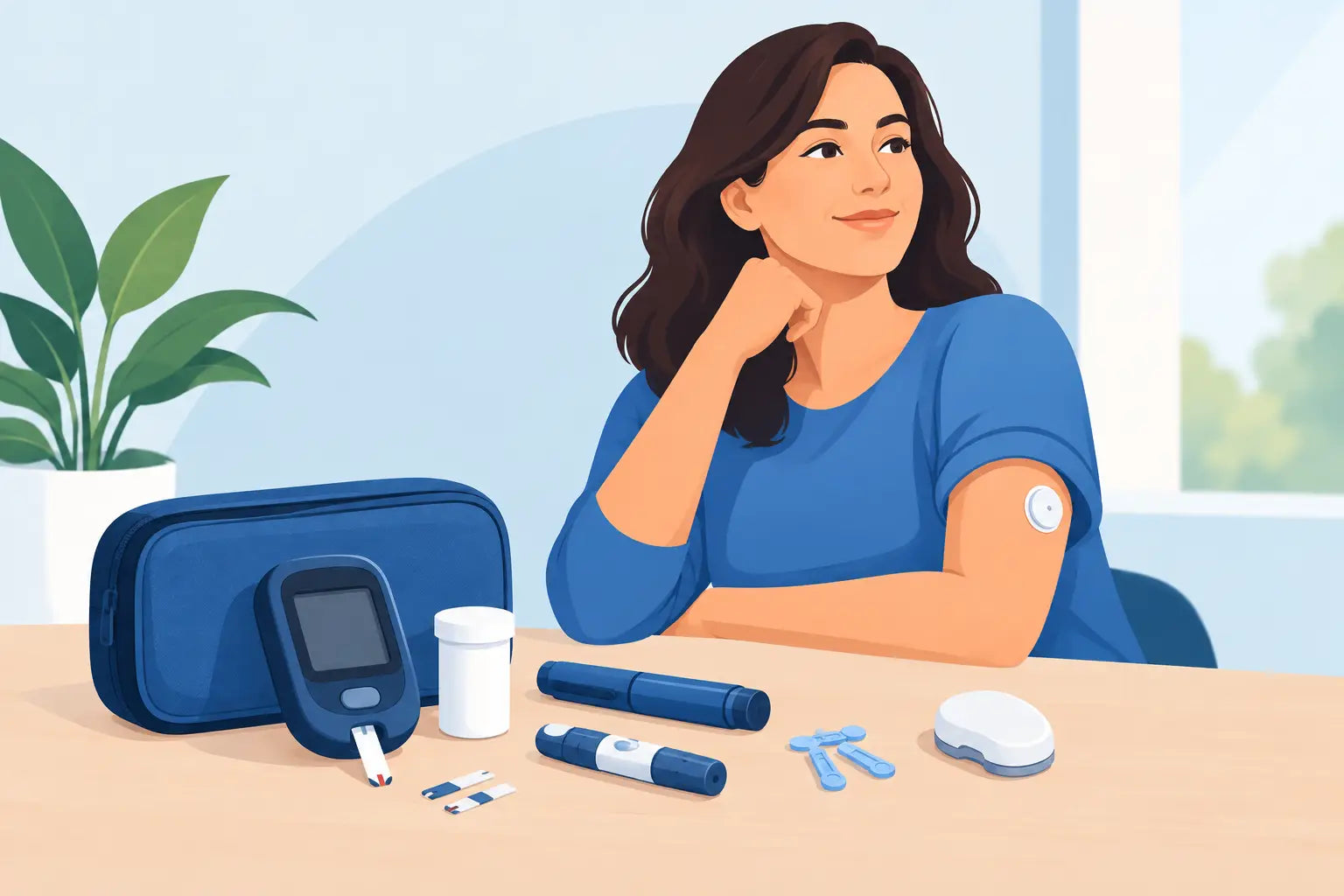
For diabetes care, blood glucose monitoring supplies are essential if recommended by a provider. That may include a glucose meter, lancets, test strips, and sharps disposal support. Some patients also need ketone testing supplies. The right setup depends on whether blood sugar is checked occasionally or several times a day.
For respiratory care, a nebulizer may be important for patients with asthma or other breathing conditions who use prescribed inhaled medications. Some homes may also need peak flow monitoring, humidification support, or additional supplies that help maintain airway comfort. If respiratory equipment is used regularly, replacement parts and cleaning supplies should be part of the plan, not an afterthought.
For sleep-related support, the equipment can range from simple positioning aids to more involved therapy devices. Comfort and compliance matter here. The best equipment is the one that fits the treatment plan and is actually used consistently.
Mobility and safety equipment can prevent bigger problems
A lot of home medical purchases happen after a fall, a hospital discharge, or a sudden change in mobility. It is better to think about safety before an emergency forces the issue.
Canes, walkers, and transfer aids can support stability, but only if they fit the user and the living space. A walker that is too wide for the hallway or a cane set to the wrong height can create new risks. The same is true for bathroom safety equipment. Grab bars, shower chairs, raised toilet seats, and nonslip bath supports are often more valuable than people expect because the bathroom is one of the highest-risk areas in the home.
For people recovering from joint surgery, back injuries, or weakness after illness, supportive equipment may also include orthopedic cushions, braces, compression products, or physical therapy tools. These items are not just about comfort. They can help maintain function, improve confidence during movement, and make daily tasks more manageable.
If a patient spends long periods in bed or seated, pressure relief becomes important. In those cases, specialty cushions, support surfaces, or repositioning aids may be appropriate. This is one area where buying too little can cause real problems, but buying the wrong product can also waste money. Matching the equipment to the user's weight, mobility level, and skin condition makes a difference.
Emergency items worth keeping nearby
Every home should have a few supplies set aside for urgent situations. A well-stocked first aid kit is part of that, but there are other items worth considering. A backup thermometer, extra batteries for medical devices, and disposable gloves are easy to store and often needed at inconvenient times.
If anyone in the household has a known severe allergy, prescribed emergency medication should be easy to access and current, not expired in the back of a cabinet. The same goes for rescue inhalers and other provider-directed emergency medications.
For households caring for older adults or medically complex patients, it is also smart to keep a simple care folder with medication lists, allergies, diagnoses, provider names, and recent discharge paperwork. That is not equipment in the usual sense, but during an urgent call or rushed appointment, it can be just as helpful.
What not to buy unless you have a clear reason
More equipment does not automatically mean better care. Some households spend money on devices they never use or cannot use correctly. Others buy professional-grade products when a simpler home-use option would do the job better.
If you do not have a reason to monitor a certain metric, you may not need the device. If a piece of equipment requires training, calibration, or ongoing supply replacement, factor that in before you buy. Convenience matters, but usability matters more. The best home medical equipment is dependable, appropriate for the condition, and simple enough that the user or caregiver can use it correctly.
It also helps to think about storage and restocking. A blood pressure monitor that stays charged, wound dressings that are easy to reach, and supplies that can be reordered without hassle are more useful than a closet full of random products. This is where a focused supplier can make home care easier by helping you find products by condition, care setting, or recovery need instead of guessing your way through it.
How to decide what belongs in your home
The easiest way to build your setup is to sort it into three levels. First, keep basic supplies for every household, such as a thermometer, first aid materials, and a blood pressure monitor if there are adults with routine health concerns. Second, add safety and support equipment based on age, mobility, and fall risk. Third, include condition-specific items tied to a provider's care plan, such as diabetes care, respiratory support, incontinence products, orthopedic aids, or wound care supplies.
If you are buying for a parent, a recovering patient, or your own long-term health needs, think about the moments when care is hardest. Is it getting safely into the shower, checking blood sugar on time, managing swelling, or tracking symptoms after treatment? Start there. Practical equipment solves practical problems.
For families, caregivers, and clinics supporting patients at home, dependable access matters just as much as product choice. US MedResources supports that process with home health, recovery, and condition-based supplies delivered directly to your door.
The right home medical equipment does not need to be extensive. It needs to be useful, reliable, and matched to real life so when care is needed, you are ready.