Call Us -
Cart
0
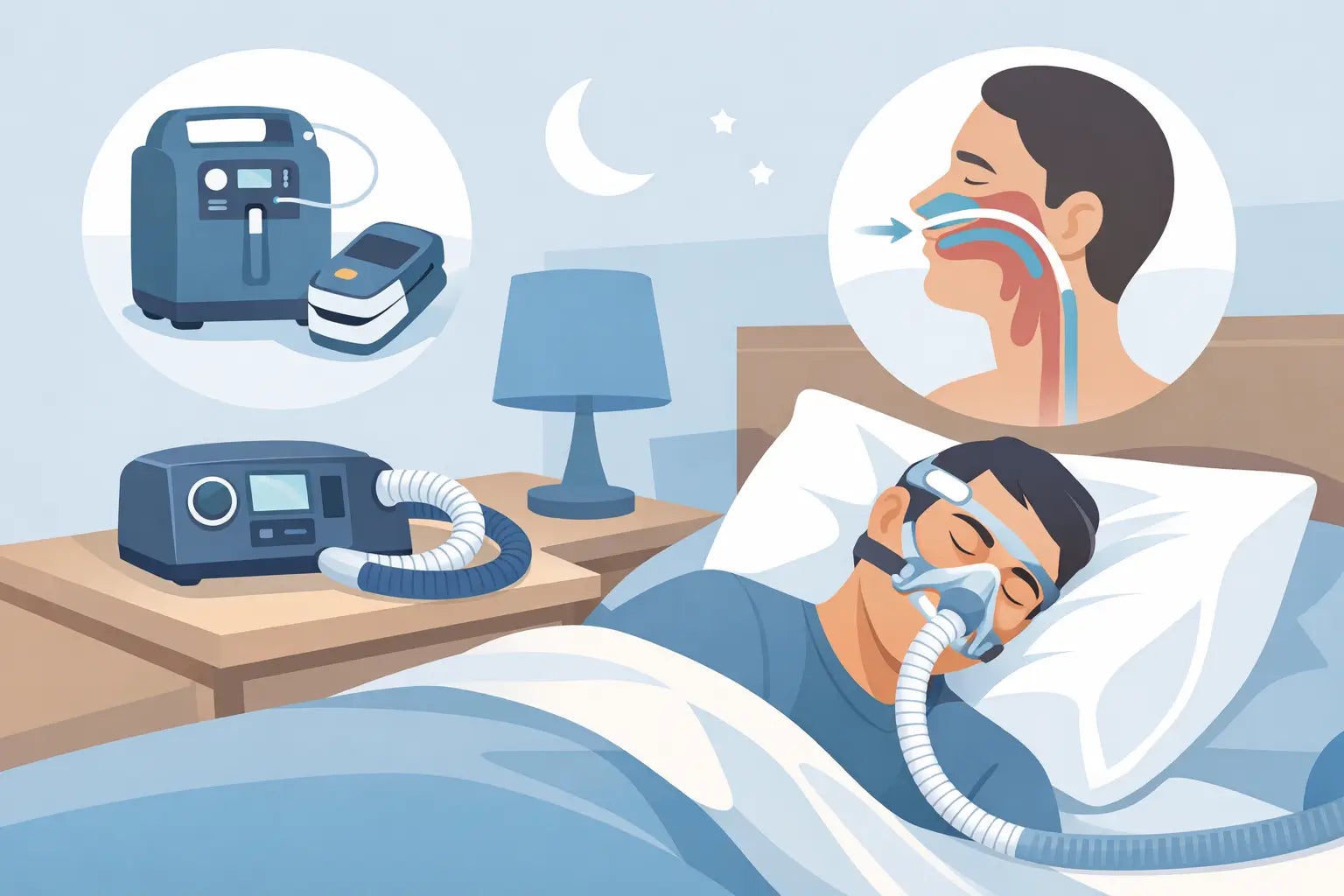
A loud snore is easy to joke about. Waking up tired every morning, dealing with dry mouth, morning headaches, or hearing that breathing stops during sleep is not. If you are looking into at home sleep apnea equipment, you are likely trying to solve a real problem - better sleep, better breathing, and more dependable nightly support.
Sleep apnea equipment for home use can range from basic accessories to full therapy systems. The right setup depends on whether you are tracking symptoms, supporting prescribed treatment, replacing worn parts, or helping a family member stay consistent with therapy. For many people, the biggest challenge is not knowing what is actually necessary and what is optional.
What at home sleep apnea equipment usually includes
Most people think first of a CPAP machine, and that makes sense. Continuous positive airway pressure therapy is one of the most common treatments for obstructive sleep apnea. But the machine is only one part of the setup. In real home use, comfort, fit, cleaning, and routine replacement matter just as much.
A typical setup may include the therapy device, tubing, a mask, headgear, and disposable or reusable filters. Some users also need a humidifier chamber to reduce dryness and improve comfort. If the mask leaves marks, leaks air, or feels hard to tolerate, mask liners or alternative cushion styles can make a noticeable difference.
This is where many home users get frustrated. They assume therapy is failing when the real issue is a poorly fitting interface or worn supplies. In many cases, replacing a stretched headgear strap or an old mask cushion can improve comfort fast.
The main categories of sleep apnea equipment for home use
Therapy machines
CPAP devices are the best-known option, but they are not the only type. Some people use APAP machines, which automatically adjust pressure through the night. Others may be prescribed BiPAP therapy, especially when pressure needs are higher or exhalation support is needed.
The machine choice is usually guided by a clinician or sleep specialist, not by guesswork. That matters because higher-tech is not always better for every patient. A straightforward prescribed setup that is used consistently is generally more effective than a more complex system that sits unused.
Masks and interfaces
Masks are often the most personal part of the whole system. Nasal masks, nasal pillow masks, and full-face masks each solve different problems. A nasal pillow mask can feel lighter and less bulky, but it may not work as well for someone who breathes through the mouth at night. A full-face mask may help in that situation, though some users find it larger and harder to get used to.
Fit matters more than appearances. The best mask is the one that seals well, feels manageable, and helps the user stay on therapy. For caregivers and providers helping someone choose supplies, that practical view usually leads to better long-term use.
Tubing, filters, and humidification parts
These items do not get much attention until something goes wrong. Cracked tubing can lead to air leaks. Dirty or clogged filters may affect airflow and machine performance. A worn humidifier chamber can add inconvenience and reduce comfort.
These are not minor details. They are part of whether therapy feels clean, dependable, and easy to maintain. For home users ordering replacements, it helps to treat these parts as regular care supplies rather than afterthoughts.
Comfort and maintenance accessories
At home sleep apnea equipment often includes the accessories that make therapy easier to stick with. Chin straps, mask wipes, cleaning supplies, hose holders, travel cases, and replacement cushions all serve a purpose. Not every user needs every accessory, but the right add-on can remove one of the small barriers that causes people to skip treatment.
There is a trade-off here. It is easy to overbuy accessories before knowing what actually improves the experience. A simple approach is better - start with the core prescribed equipment, then add comfort or maintenance items based on real use.
How to choose the right at home sleep apnea equipment
The first question is whether you are shopping for new therapy, replacement parts, or ongoing support supplies. Those are three different buying situations.
If you are newly diagnosed or just starting treatment, compatibility and prescription requirements come first. You need equipment that matches your therapy plan and is appropriate for your condition. If you already use a machine, the priority is often replacing the parts that wear down over time. If you are shopping for a spouse, parent, or patient, ease of use may be the deciding factor.
A few practical questions help narrow the choice. Is the person a mouth breather or nasal breather. Do they travel often. Do they struggle with dry air. Are they replacing a known mask model or trying to solve a comfort issue. Do they want the smallest possible setup, or do they care more about durability and routine home use.
These questions matter because sleep therapy is not one-size-fits-all. A machine or mask that works well for one person may be the wrong fit for another. Good equipment selection is less about buying the most advanced option and more about matching the equipment to real nightly habits.
When replacement supplies make a bigger difference than a new machine
Many home users assume poor sleep means they need a new device. Sometimes they do. But often the issue is simpler. Mask cushions lose shape. Headgear stretches. Filters collect dust. Tubing develops wear. Small problems add up to a setup that feels less effective and less comfortable.
If a user says the machine seems louder, the mask leaks more, or therapy feels harder to tolerate than it used to, replacement parts are worth checking first. This is especially relevant for caregivers and clinic purchasers managing ongoing support. Keeping essential supplies on hand can prevent interruptions and help maintain better compliance.
For both individual users and care teams, a dependable supplier matters here. Fast reorder access, clear product organization, and broad inventory make it easier to keep treatment on track without last-minute scrambling.
What home users should expect from a reliable equipment supplier
Shopping for sleep therapy products should feel straightforward. Product categories should be clear. Replacement items should be easy to identify. Support should be available when compatibility or sizing questions come up.
That is especially important with sleep apnea products because buyers are often balancing health needs, insurance questions, and the pressure of wanting quick relief. A dependable medical supply source should support both repeat purchases and more considered decisions. For example, a clinic may need a reliable source for patient support items, while a caregiver may simply need a replacement mask cushion delivered directly to the door.
US MedResources serves both of those buyers with a practical focus on home medical equipment and ongoing care needs. That kind of category depth is useful when sleep therapy is one part of a larger care plan.
Common mistakes with sleep apnea equipment at home
One of the most common mistakes is choosing based only on price. Cost matters, but the lowest-priced option is not always the best value if it creates comfort issues or needs replacement too soon. Another mistake is waiting too long to replace consumable parts. People often adjust to declining performance without realizing how much it affects nightly use.
A third issue is treating discomfort as normal. Some adjustment is expected at the beginning of therapy, but ongoing pain, severe dryness, frequent leaks, or skin irritation usually signal that something in the setup needs to change. Better fit, different accessories, or replacement components can make a real difference.
There is also the problem of buying equipment without confirming compatibility. Masks, tubing, and machine accessories are not universally interchangeable in every case. Double-checking product details can save time and frustration.
Building a setup that supports long-term use
The goal of at home sleep apnea equipment is not just to own the right products. The goal is to make therapy realistic night after night. That usually means keeping the setup simple, replacing worn items on time, and adjusting comfort features when needed.
For some users, long-term success depends on a lightweight mask and humidification. For others, it is all about easy cleaning and quick access to replacement supplies. Providers may focus on standardizing support items for patient continuity, while family caregivers may care most about convenience and dependable delivery.
That is why a practical, well-matched setup matters more than a perfect-looking one. When equipment fits the user, daily care gets easier. And when daily care gets easier, people are more likely to stay with therapy long enough to feel the benefit.
If you are shopping for sleep apnea products for yourself, a loved one, or a patient, start with what supports consistent use. Better sleep usually begins with the basics done well.