Call Us -
Cart
0
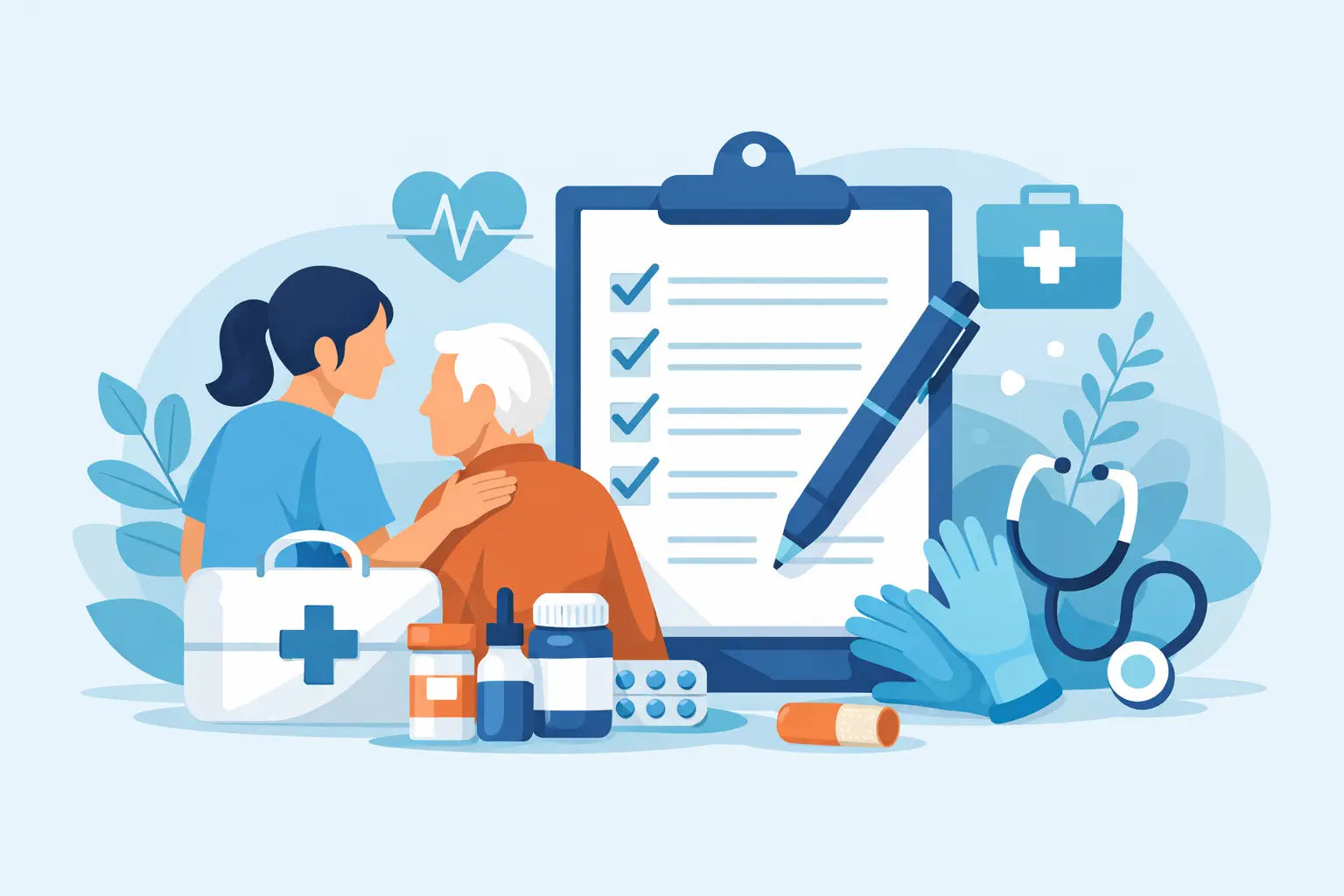
A missed refill, one lost glove size, or a blood pressure cuff with dead batteries can turn a normal care day into a scramble. A caregiver medical supply checklist helps prevent that. It gives family caregivers, home health aides, and clinic-connected care teams a clear way to keep the home ready for daily routines, unexpected setbacks, and ongoing condition management.
The best checklist is not the longest one. It is the one that matches the person receiving care, the space where care happens, and the level of support needed each day. Someone recovering from surgery will need a different setup than a parent managing diabetes, incontinence, and limited mobility. That is why a smart checklist starts with care tasks first and product categories second.
How to build a caregiver medical supply checklist
Start by asking a simple question: what care is happening in the home every day, every week, and only in emergencies? That answer should shape what you keep on hand. If you are helping with bathing, dressing changes, blood sugar checks, or medication support, your supply needs are very different from someone who only needs mobility help and fall prevention.
It also helps to think in three layers. First are daily-use basics, which should always be stocked. Second are condition-specific items, which depend on diagnoses and treatment plans. Third are backup and emergency supplies, which may not be used often but matter when something changes quickly.
A common mistake is buying too broadly. That can waste money, clutter storage, and make it harder to find what you actually use. The better approach is to organize supplies by care purpose and reorder based on real usage.
Daily care basics every home caregiver should review
Most caregiver setups need a core group of routine supplies. Gloves are one of the most common examples, especially if care includes personal hygiene, wound support, or any task involving bodily fluids. The right glove size matters. Gloves that are too tight tear easily, and gloves that are too loose can make simple tasks harder.
Absorbent pads, cleansing wipes, skin cleansers, disposable washcloths, and hand sanitizer are also practical basics for many homes. If the person in care spends a lot of time in bed or seated, barrier creams and gentle skin care products become more than a convenience. They help reduce irritation and support skin integrity over time.
You should also keep a thermometer, a blood pressure monitor if recommended, and enough batteries or charging access for any monitoring devices. These tools only help if they are ready to use. A supply closet full of equipment is not much use if half of it is uncharged or missing parts.
For many caregivers, storage matters almost as much as the supplies themselves. Label bins by task, not by product type. A "wound care" bin or "morning hygiene" bin is often easier to use than separate containers for gauze, tape, and cleansers.
Mobility and safety supplies for the home
If mobility is part of the care plan, your caregiver medical supply checklist should cover both movement and safety. Walkers, canes, transfer aids, gait belts, and bedside supports may all play a role, depending on strength and balance. The right product depends on the person, the caregiver's ability to assist, and the layout of the home.
This is where trade-offs matter. A larger mobility aid may offer more stability, but it can also be harder to maneuver through narrow hallways or bathrooms. A bedside commode may reduce fall risk at night, but only if it fits the room and the patient can use it safely. Convenience matters, but safe use matters more.
Non-slip bath mats, shower chairs, raised toilet seats, and grab support products can also reduce caregiver strain. If you are lifting, steadying, or guiding someone multiple times a day, small home safety adjustments can make care more manageable and reduce injury risk for both people.
Wound care and personal care supplies
Some homes need only a simple first aid setup. Others need a more structured wound care supply plan. If dressing changes are part of the routine, your checklist may include gauze, non-adherent dressings, medical tape, saline or wound cleanser, adhesive bandages, and protective gloves. The exact items should follow the care instructions provided by a clinician.
It is worth being careful here. More products are not always better. Using the wrong dressing type or skin prep item can delay healing or irritate fragile skin. If the wound is chronic, post-surgical, or pressure-related, supplies should match the treatment plan rather than a general first aid kit.
Personal care overlaps with wound prevention more than many families expect. Incontinence products, underpads, skin barriers, and gentle cleansers often belong on the same checklist because skin breakdown can start from moisture, friction, or delayed changing. Caregivers who manage toileting support usually need a consistent supply system, not last-minute replacement shopping.
Condition-specific items to add to your checklist
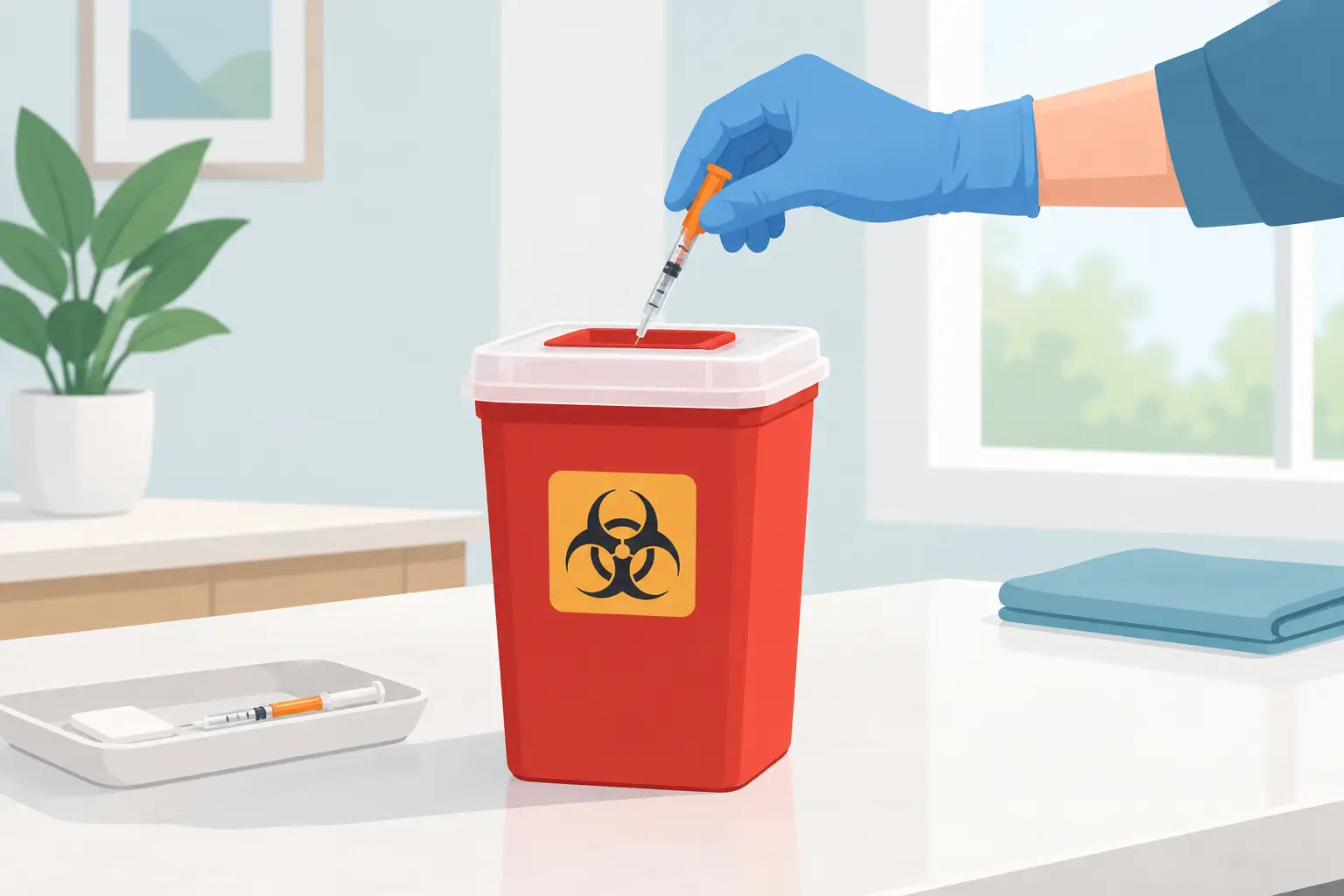
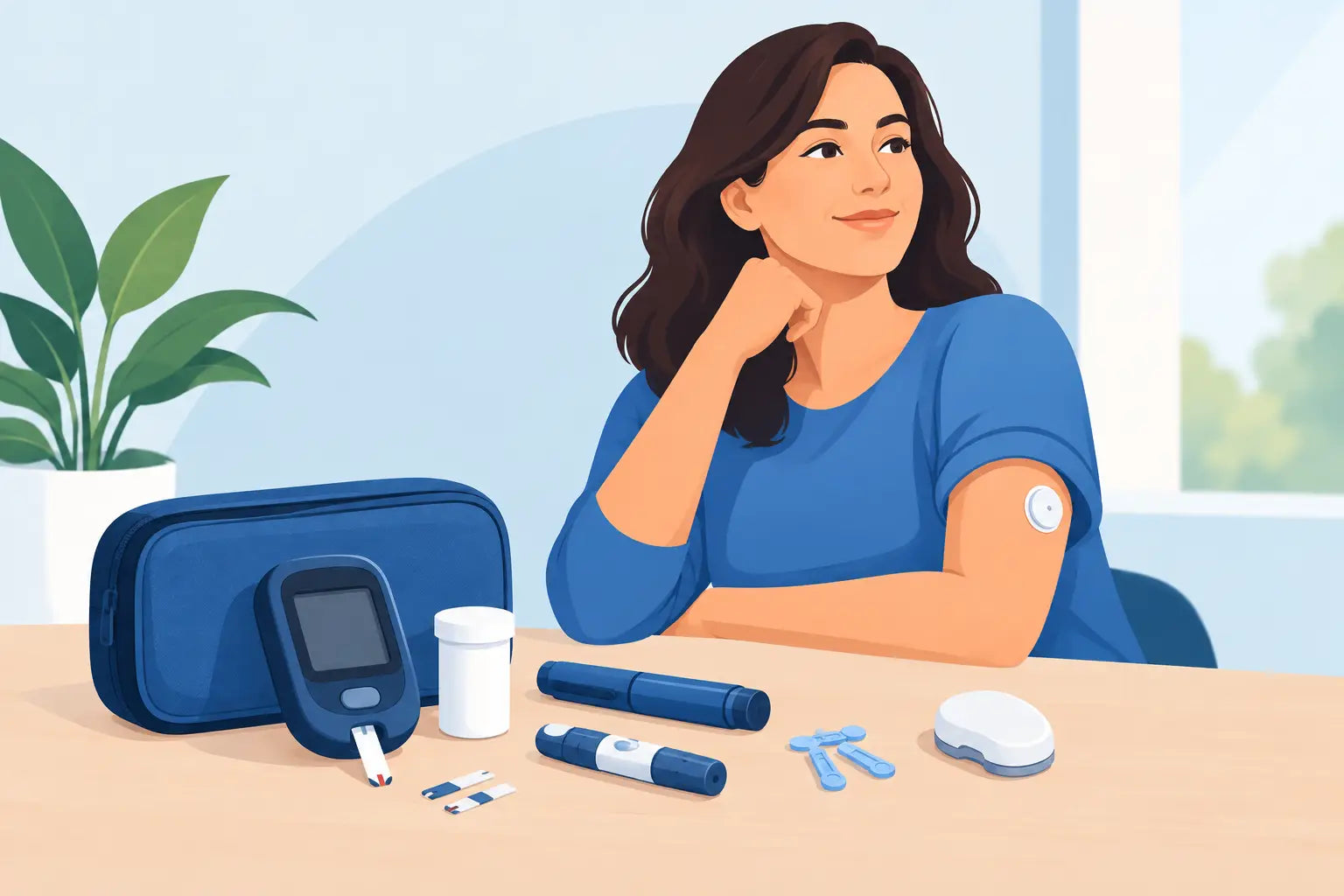
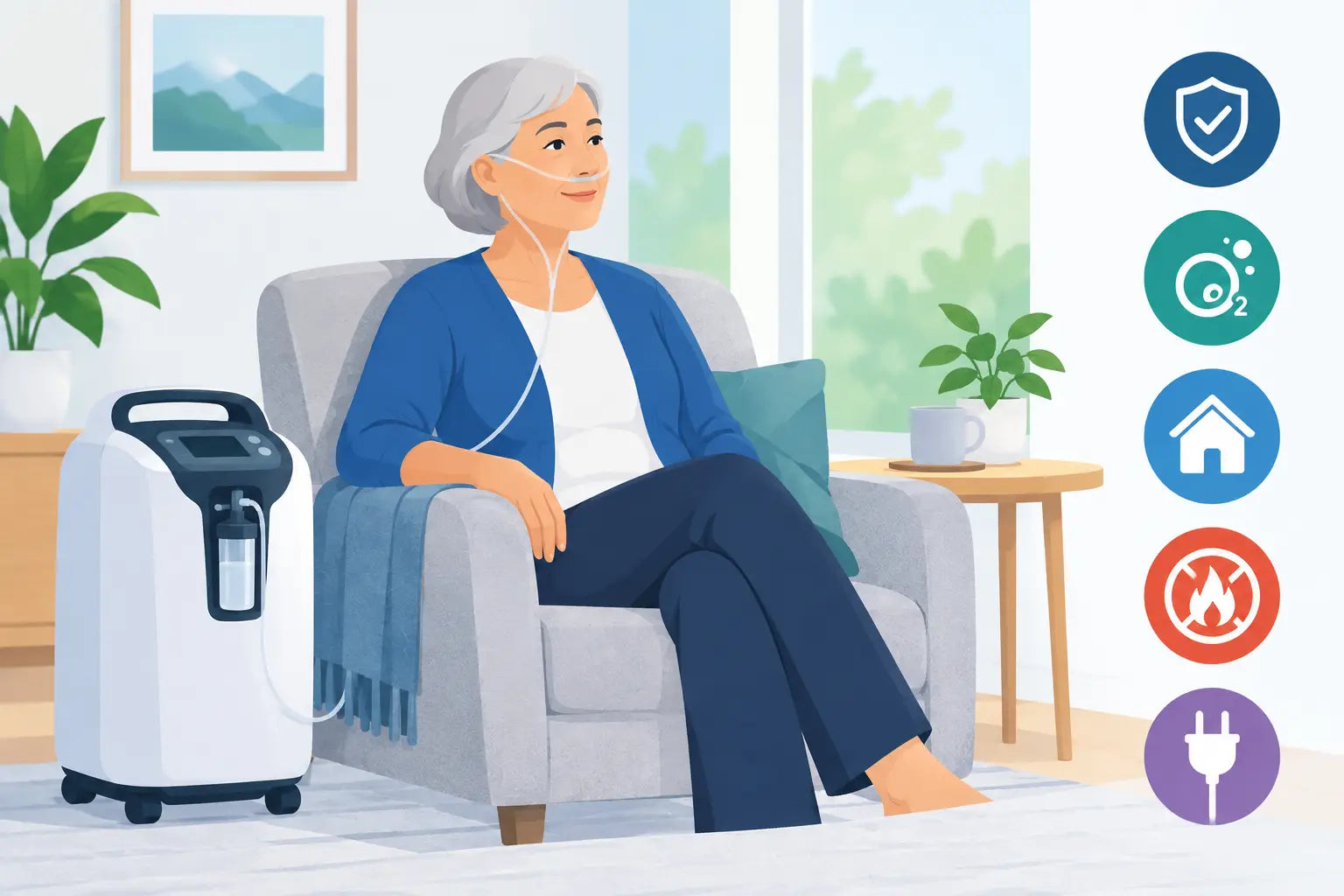
This is where the checklist becomes personal. Diabetes care may call for glucose monitoring supplies, lancets, test strips, sharps disposal, and foot care support items. Respiratory care may require nebulizer supplies, masks, tubing, pulse oximetry, or humidification accessories. Orthopedic recovery may involve braces, compression products, ice or heat therapy, and support cushions.
Patients with chronic pain, neuropathy, sleep-related issues, or long recovery periods may also need comfort and therapy products that support everyday function. These products are sometimes treated like optional extras, but they can make care more consistent by improving sleep, positioning, circulation, or pain management.
If multiple conditions are involved, avoid blending everything into one large reorder list. Break supplies into categories based on the condition or care task. That helps you spot shortages faster and keeps your budget more predictable.
Emergency and backup items caregivers often forget
A practical caregiver setup should account for surprises. Even in a stable home care routine, products run out early, equipment stops working, and symptoms change. Keep a backup supply of the items that would create the biggest problem if they were unavailable for 24 to 72 hours.
That often includes gloves, incontinence products, wound dressings, test strips, drinking straws or feeding accessories if used, and batteries for medical devices. If power outages or storms are a concern in your area, backup planning matters even more for respiratory equipment or temperature-sensitive items.
A basic first aid kit still belongs in the home, even if you already manage ongoing care supplies. The needs are different. Daily care products support routines. Emergency supplies help you respond when something unexpected happens before additional help is available.
How much should you keep on hand?
There is no perfect number for every household. A good starting point is two to four weeks of daily-use supplies, adjusted for delivery timing, storage space, and how fast products are used. Families in rural areas or homes with frequent weather disruptions may want a larger cushion. Homes with limited storage may need more frequent reordering.
Watch for products with expiration dates, especially wound care items, testing supplies, and certain skin care products. Overstocking can create waste. Understocking creates stress. The goal is a workable middle ground that supports uninterrupted care.
It also helps to review usage once a month. If you always run short on one item and never touch another, your checklist should change. Good caregiver supply planning is not static. It should reflect the real rhythm of care.
When buying from a medical supply partner makes sense
General retailers may cover a few basics, but caregiving often requires a wider mix of products, more consistent availability, and better access to home health categories. That is especially true when care includes mobility support, wound management, diabetes care, continence products, or clinic-style routine monitoring.
A specialized supplier can make the process easier because you can shop by need instead of piecing together products from several places. For caregivers managing complex routines, that saves time and reduces missed items. For providers supporting patients at home, it also creates a more dependable path to the supplies patients actually use.
US MedResources is built around that kind of practical access, with broad category coverage for both home caregivers and professional buyers who need dependable ordering and direct delivery.
A simple way to keep your checklist current
Keep one printed checklist near the supply area and one digital version on your phone. Mark reorder points before you run out, not after. If more than one person helps with care, make sure everyone uses the same system. A checklist only works if it is shared and updated.
Caring for someone at home can feel like a hundred small details stacked on top of each other. The right supply plan takes some of that pressure off. When your essentials are organized and ready, you get to spend less time chasing products and more time focusing on care.