Call Us -
Cart
0
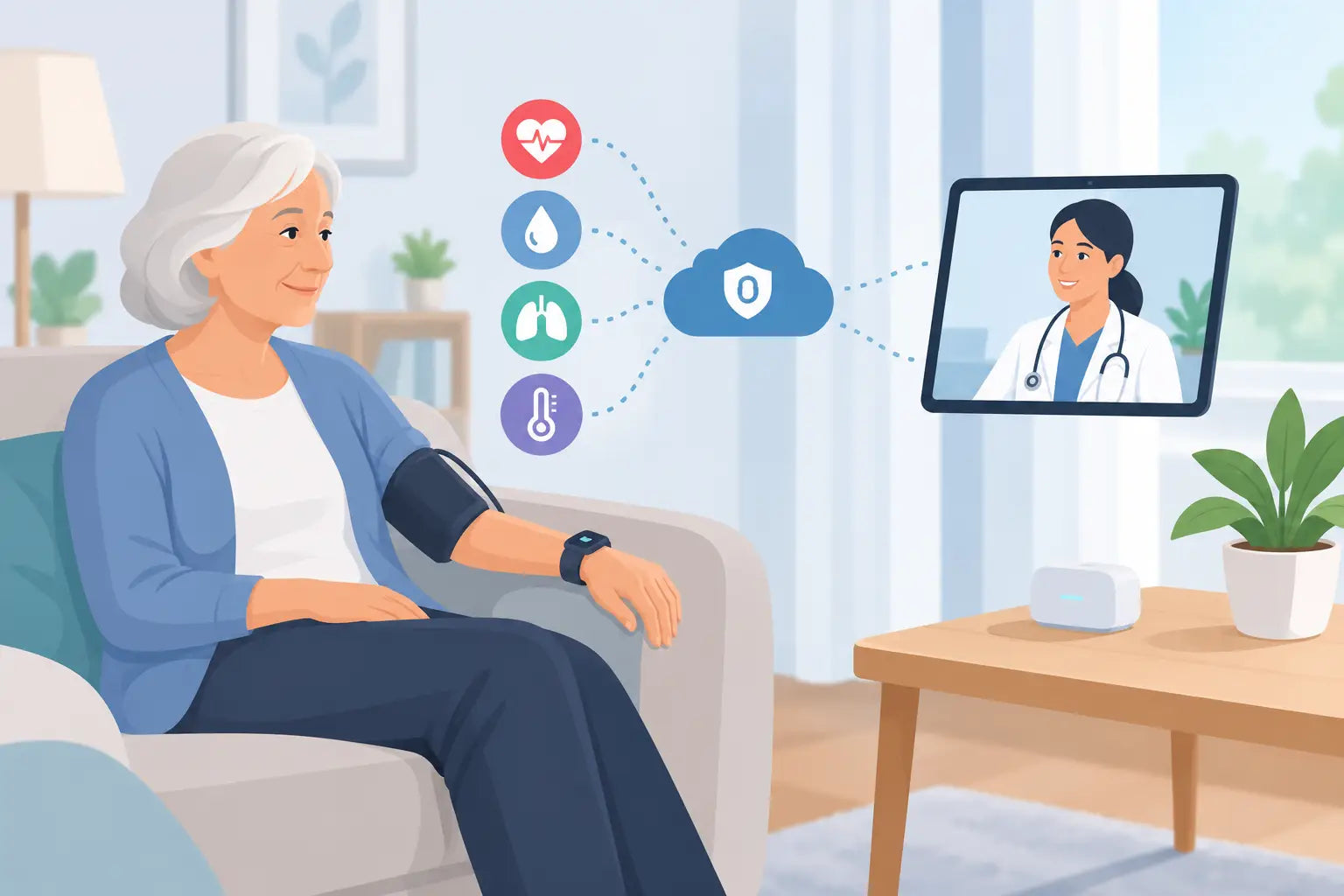
A blood pressure reading that trends upward for several days can tell a care team more than one number taken during an office visit. The future of remote patient monitoring is built around that simple advantage: giving patients, caregivers, and clinicians a clearer view of health between appointments, when daily habits and small changes often matter most.
For people managing diabetes, heart disease, COPD, sleep concerns, recovery after surgery, or mobility limitations, home monitoring can make care more responsive without turning the home into a hospital. It works best when the equipment is easy to use, the information reaches the right person, and everyone understands what requires action.
What Remote Patient Monitoring Means in Practical Terms
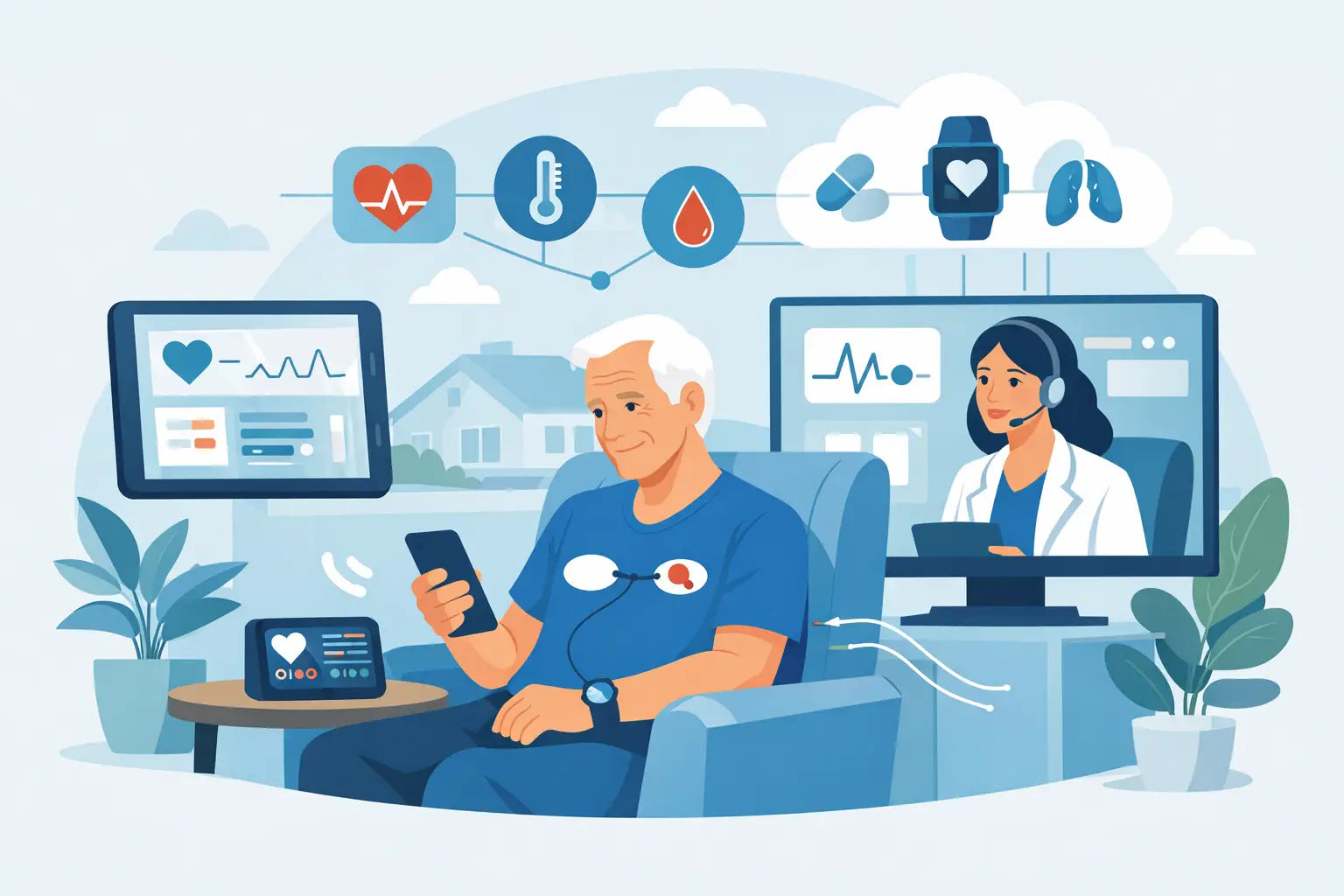
Remote patient monitoring, often called RPM, uses connected or home-use devices to collect health information outside a clinic. Depending on the care plan, that may include blood pressure, blood glucose, body weight, oxygen saturation, heart rate, temperature, sleep data, or symptom check-ins. Some devices send readings automatically through cellular or Wi-Fi connections. Others require the patient or caregiver to record and share results.
The goal is not to replace medical care. It is to extend it into the times between visits. A clinician may use the information to identify a concerning pattern, adjust treatment, reinforce care instructions, or ask a patient to come in before a problem becomes more serious.
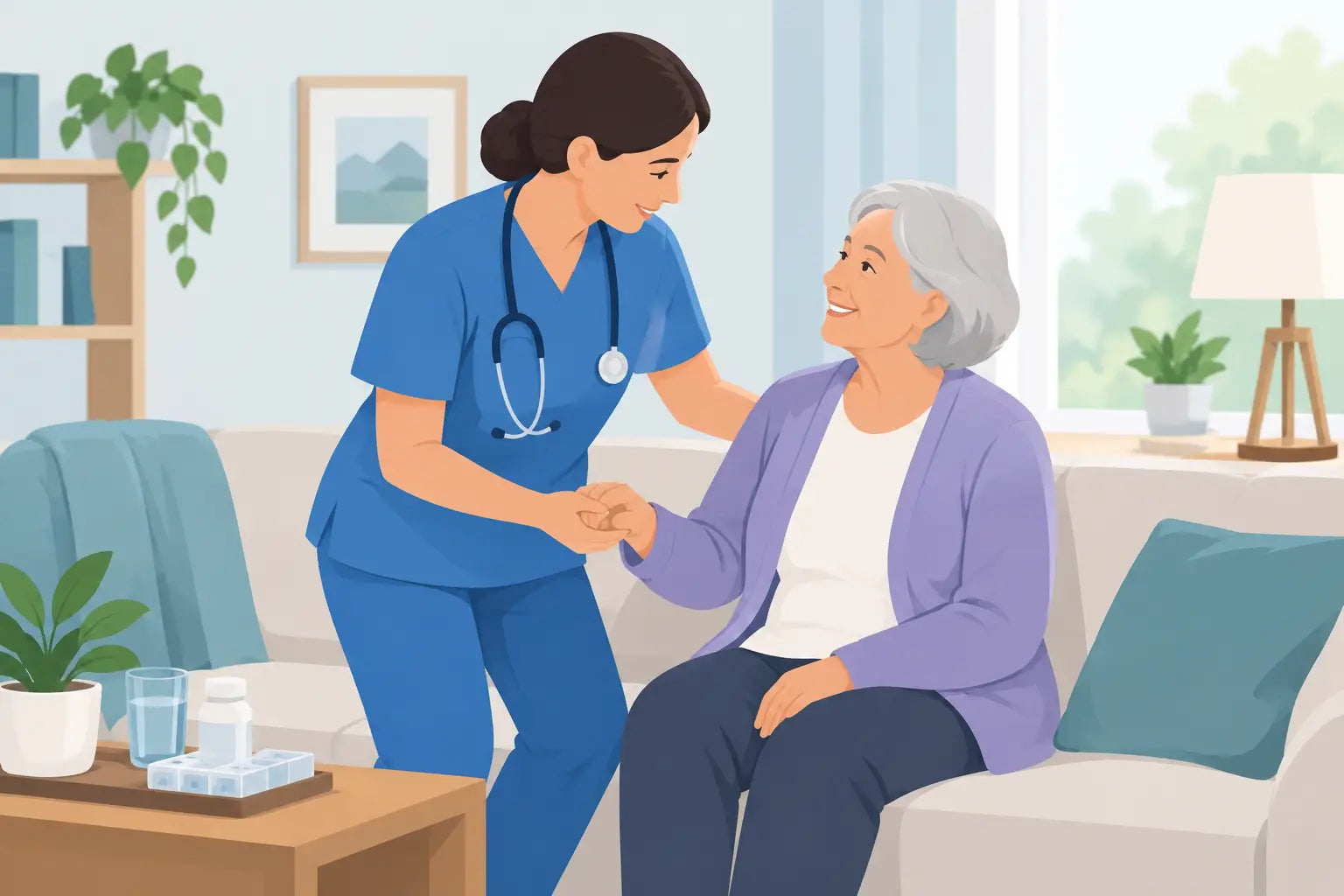
For a caregiver, regular monitoring can also reduce guesswork. Instead of relying only on whether a loved one says they feel different, the caregiver can help track changes that may need a call to the care team.
The Future of Remote Patient Monitoring Is More Than Connected Devices
More connected scales, glucose meters, pulse oximeters, and blood pressure monitors will become available. But the value of RPM will not come from collecting more numbers alone. The next phase is about making information useful and manageable.
Better context for everyday readings
A single reading can be misleading. Blood pressure may change after activity, stress, caffeine, or missed medication. Weight may vary with fluid retention, diet, or the time of day. The most useful programs will help clinicians see trends over time and compare readings with symptoms, medication changes, and recovery goals.
This matters for patients because it can lead to more focused conversations. Rather than starting an appointment with, “How have you been feeling?” a care team may be able to ask about a specific change that appeared over the last week.
Earlier attention, not automatic diagnosis
Software can help flag readings outside a personalized range or identify patterns that may deserve review. That can save time for busy practices and help prevent important changes from being buried in a long list of data.
Still, an alert is not a diagnosis. A low oxygen reading may result from a cold hand, poor sensor placement, or a device issue. A high glucose reading may require context about food, medication, illness, and timing. Human clinical judgment remains essential, especially when decisions affect medication, urgent care, or emergency treatment.
Monitoring designed around the patient
The strongest RPM programs will be built for real homes, not ideal conditions. That means larger displays, straightforward instructions, fewer steps, dependable batteries, and options for people who do not use smartphones comfortably. Cellular-enabled equipment can be especially helpful where home internet is unreliable.
Accessibility also includes physical needs. A person with arthritis may struggle with small buttons. Someone with limited vision may need high-contrast screens or audible prompts. A caregiver may need a device that stores readings when they cannot be present at every check. The right setup depends on the person, their condition, and the support available at home.
Where Remote Monitoring Can Make the Biggest Difference
RPM is especially useful when a condition can change between appointments and timely action may prevent complications. It is not equally necessary for every patient, but it can support several common care needs.
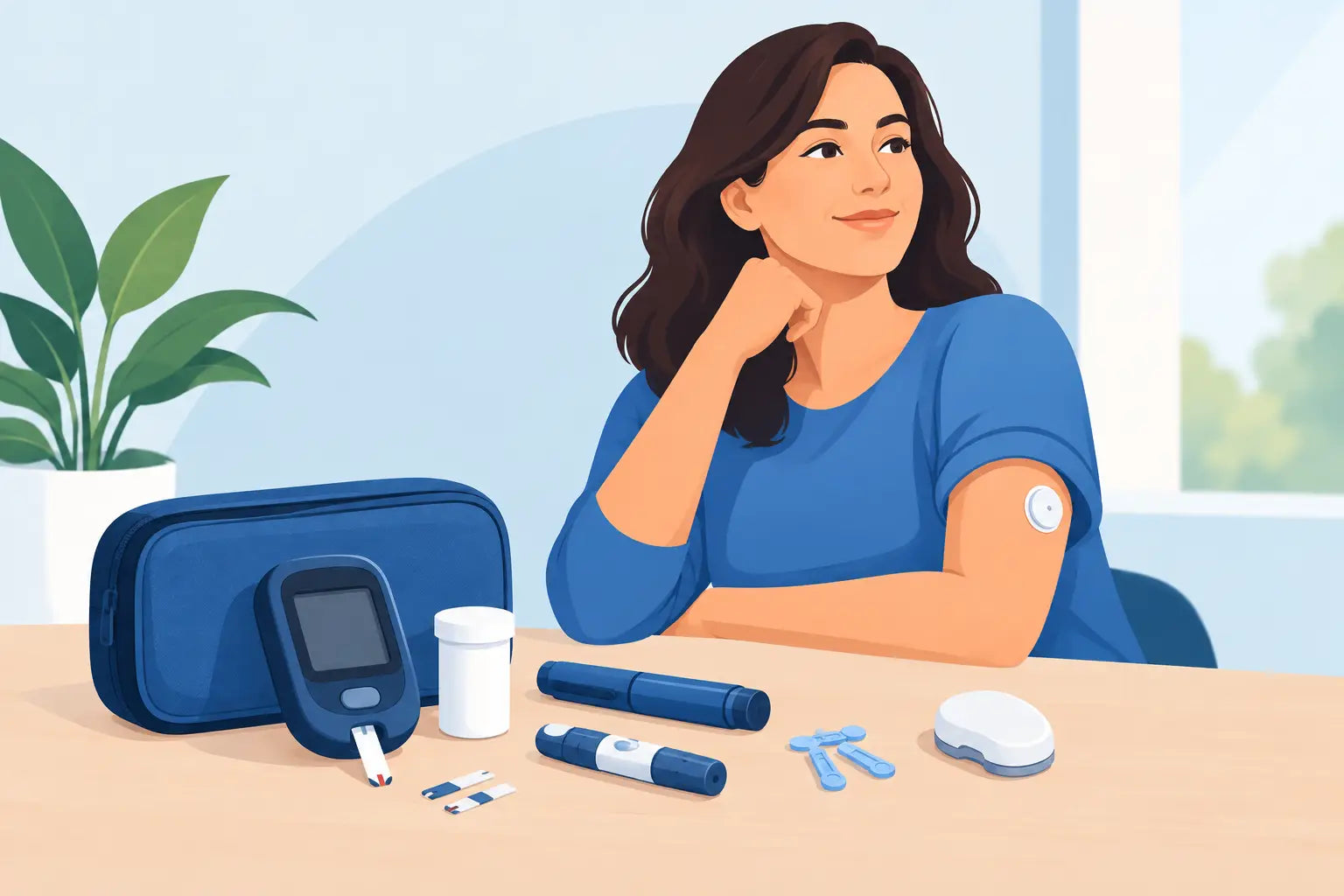
For people with hypertension, home blood pressure monitoring can show whether treatment is working beyond the clinic setting. For diabetes care, glucose tracking can help identify patterns and support treatment discussions. For heart failure, weight monitoring may help detect fluid changes early when it is paired with a clinician-directed action plan.
Respiratory care is another important area. Patients with COPD or other chronic respiratory concerns may be asked to watch oxygen levels, breathing symptoms, activity tolerance, or medication use. After a hospitalization or surgery, monitoring may support recovery by helping patients follow care instructions and report changes before they become urgent.
The benefit is often greatest during transitions. A patient leaving the hospital may have new medications, follow-up instructions, and understandable uncertainty about what is normal. Clear home equipment, a routine for taking readings, and a contact plan can make that transition feel more manageable.
Equipment Still Matters
Even the most advanced monitoring program depends on reliable home equipment. Inaccurate readings, the wrong cuff size, worn batteries, or confusing setup can create unnecessary concern or hide a genuine problem.
Patients should use devices that fit their care plan and follow the manufacturer’s instructions. For example, blood pressure cuffs need to fit the upper arm correctly. Pulse oximeters should be used on a warm, clean finger and allowed time to stabilize. Scales should sit on a flat, hard surface and be used consistently at the same time of day when a clinician has requested daily weights.
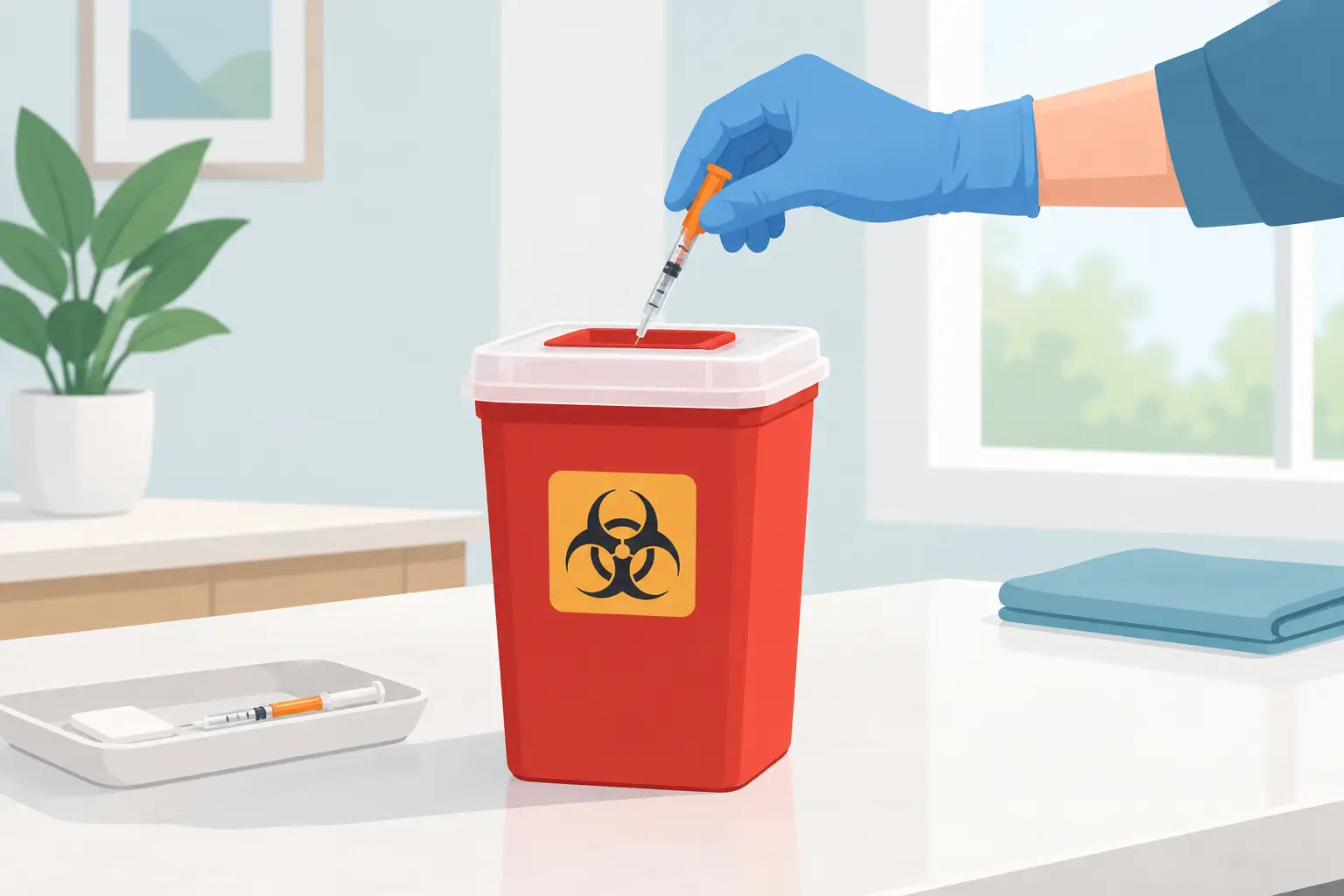
Supplies also need to be available when they are needed. Replacement batteries, glucose testing supplies, lancets, masks, tubing, wound care products, and other home-health essentials can affect whether a care routine stays consistent. A missed reading may not always be a clinical issue, but repeated gaps make it harder for a care team to see the full picture.
What Patients and Caregivers Should Ask Before Starting
Before using any remote monitoring program, patients and caregivers should understand the practical details. Ask which readings need to be taken, how often they should be recorded, and whether the device sends results automatically. Confirm who reviews the information and what response time to expect.
It is also wise to ask what numbers or symptoms require a call that day, an urgent care visit, or emergency help. A monitoring device should never delay emergency care for severe chest pain, signs of stroke, serious trouble breathing, fainting, uncontrolled bleeding, or another immediate medical concern.
Privacy deserves attention as well. Patients should know what information is collected, how it is transmitted, and who can access it. Reputable programs should explain their process clearly. Convenience should not come at the expense of understanding how personal health information is handled.
What Healthcare Practices Need for RPM to Work
For clinics, RPM can add value only when there is a clear workflow behind it. Someone must be responsible for reviewing alerts, contacting patients, documenting follow-up, and escalating concerns. Adding devices without staffing and procedures can create more data without better care.
Practices also need to choose patients thoughtfully. A patient who is motivated but needs simple equipment may do very well. Another patient may benefit more from caregiver support, in-person education, or a different care approach. Technology should match the clinical need, not become a one-size-fits-all requirement.
Education is a major part of success. Patients need a simple explanation of why they are monitoring, how to use the device correctly, and what happens after a reading is sent. When people understand the purpose, they are more likely to keep the routine going.
A More Connected Home Care Experience
The future will likely bring more monitoring options into standard home care, from post-discharge recovery to long-term management of chronic conditions. But the best experience will remain personal: dependable equipment, clear instructions, practical supplies, and access to professional guidance when a change needs attention.
US MedResources supports that foundation with home medical equipment and everyday care supplies delivered directly to patients, caregivers, and healthcare practices. The right device is only one part of staying prepared at home.
If remote monitoring is part of your care plan, start with the basics: use the recommended equipment correctly, keep needed supplies on hand, and make sure you know exactly when to call your healthcare provider. Consistent, informed home care can turn a daily reading into a timely next step.