Call Us -
Cart
0
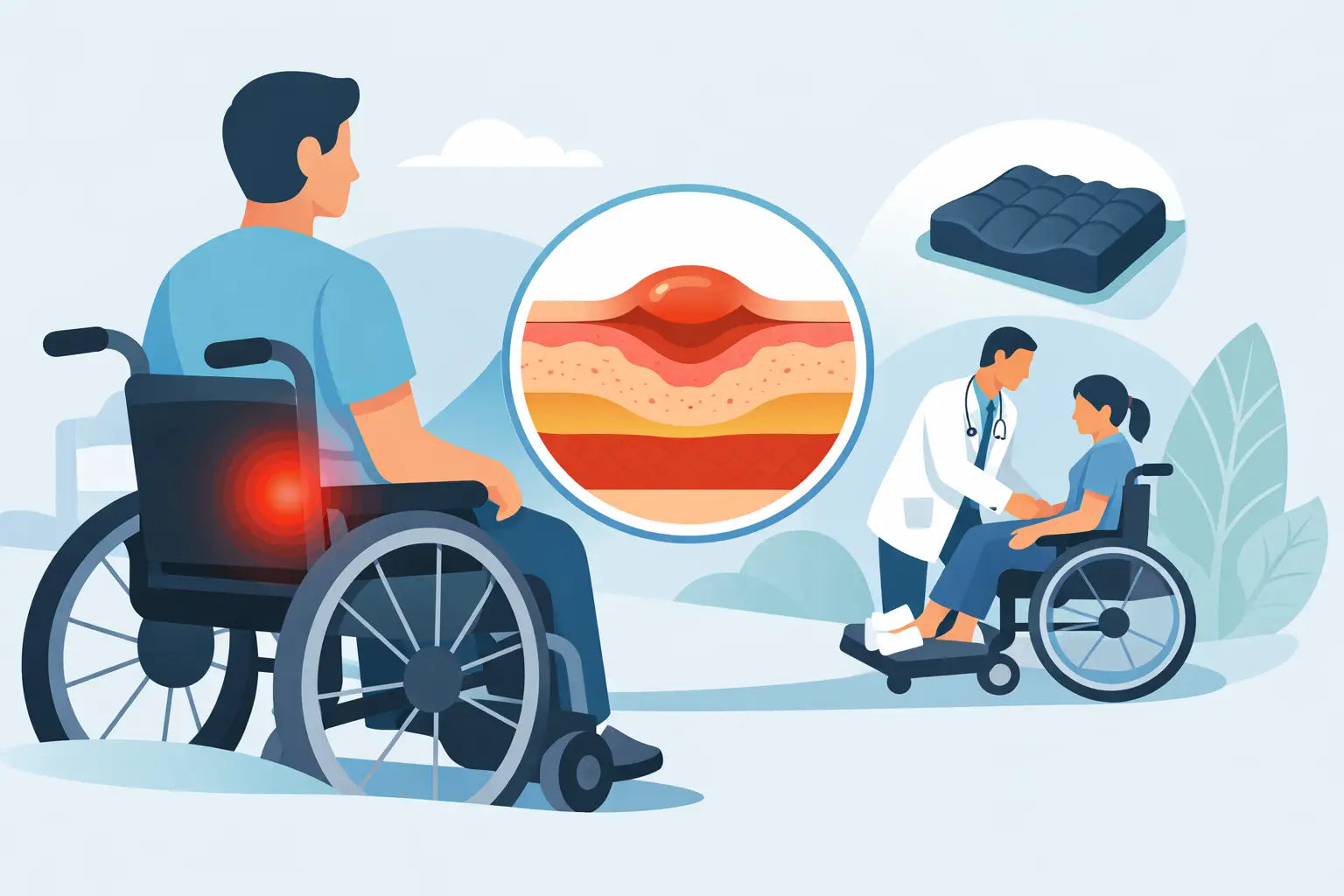
A red spot on the tailbone or hip can start small and turn into a serious wound faster than most people expect. If you are asking how to prevent wheelchair pressure sores, the goal is to reduce pressure before skin damage begins, not after it becomes painful, open, or hard to heal.
Pressure sores, also called pressure injuries or bedsores, develop when skin and tissue are squeezed between bone and a chair surface for too long. For wheelchair users, the highest-risk areas are usually the tailbone, buttocks, hips, and backs of the thighs. If sensation is limited, a person may not feel the warning signs early, which makes prevention even more important.
Why wheelchair pressure sores happen
The cause is rarely just sitting. Most pressure sores happen because several problems stack up at once - pressure, friction, moisture, poor posture, and time in one position.
Pressure cuts down blood flow to the skin. Friction happens when skin rubs against clothing, cushions, or transfer surfaces. Shear adds another layer of risk when the body slides down in the wheelchair while the skin stays in place. Moisture from sweat or incontinence softens skin and makes it easier to break down. A cushion that is worn out, too thin, or wrong for the user can also increase risk in a hurry.
Medical conditions matter too. Poor circulation, diabetes, recent illness, weight loss, dehydration, and low protein intake can all make skin more fragile. That is why two people can use the same wheelchair and have very different outcomes.
How to prevent wheelchair pressure sores every day
The most effective prevention plan is consistent and simple enough to follow every day. It usually starts with pressure relief, skin inspection, and correct seating.
Reposition on a schedule
Changing position regularly is one of the best ways to protect the skin. If the person can do wheelchair push-ups or side leans safely, those pressure-relief moves should happen throughout the day. If they cannot reposition independently, a caregiver should help on a regular schedule.
The exact timing depends on the person, their strength, sensation, sitting tolerance, and the type of cushion in use. A rehab specialist may recommend a very specific plan. What matters most is not waiting until discomfort appears. For many users, pain is a late sign or not a reliable sign at all.
Check the skin every day
Daily skin checks help catch trouble early, when it is still reversible. Focus on bony areas and any place where the body contacts the chair. Look for redness that does not fade, darker discoloration, warmth, swelling, shiny skin, or a sore spot that feels firmer or softer than surrounding tissue.
For people who cannot easily see the area, a mirror or caregiver check can help. Skin inspection is especially important after getting a new wheelchair cushion, changing sitting time, recovering from illness, or spending longer hours in the chair than usual.
Keep skin clean and dry
Clean skin tolerates pressure better than skin that stays damp or irritated. Gentle cleansing and careful drying matter. If incontinence is part of the picture, moisture management products can reduce skin exposure and help protect tissue from breakdown.
This is also where clothing choices count. Seams, wrinkles, tight garments, and rough fabrics can create concentrated pressure or friction. Smooth, breathable clothing is usually the safer option for long sitting periods.
Choosing the right cushion and seating setup
If you want to know how to prevent wheelchair pressure sores in a practical, lasting way, start with the surface the person sits on every day. A wheelchair cushion is not just an accessory. It is part of the prevention plan.
Not all cushions work the same way
Foam, gel, air, and specialty cushions each have strengths. Some are designed for basic comfort. Others are built for pressure redistribution, positioning, or high-risk users with a history of skin breakdown. The best choice depends on body shape, posture, mobility, skin condition, and how long the chair is used each day.
A low-cost cushion may feel better than a bare seat, but it may not provide enough protection for someone at higher risk. On the other hand, a more advanced cushion only helps if it is inflated correctly, positioned properly, and used consistently.
Fit matters as much as material
A good cushion cannot fully compensate for a poorly fitted wheelchair. Seat width, depth, back support, footrest height, and armrest position all affect how pressure is distributed. If the pelvis tilts or the user slides forward, pressure and shear can increase quickly.
That is why seating should be reviewed anytime posture changes, weight changes, or a person starts spending more time in the chair. A therapist, seating specialist, or clinician can often spot problems that are easy to miss at home.
Positioning mistakes that raise risk
Small positioning issues cause big problems over time. Sliding forward in the chair is one of the most common. It increases shear and often puts extra pressure on the tailbone. Slouching can do the same thing, especially if the cushion is worn or the back support is not doing enough.
Footrests that are too high may shift pressure backward. Footrests that are too low may reduce support and affect posture. Even a wallet, phone, or folded blanket under one side of the body can create dangerous pressure points. The safest setup is level, stable, and free of anything that changes weight distribution without a clinical reason.
Transfers matter too. Dragging across the seat during transfers can damage fragile skin. Proper transfer technique and transfer aids can lower friction and make movement safer for both users and caregivers.
Nutrition, hydration, and skin strength
Healthy skin is harder to break down and more likely to recover from minor stress. Poor appetite, dehydration, and low protein intake can quietly raise the risk of pressure injury. This is especially common in older adults, people recovering from surgery, and anyone with chronic illness.
Food alone does not solve pressure, but it affects the skin's resilience. Protein, calories, fluids, and key vitamins all support tissue health. If someone is losing weight, eating poorly, or healing slowly, it may be worth bringing that up with a healthcare provider. Prevention is not just about the chair. It is also about the condition of the body sitting in it.
When redness is more than redness
A pressure sore does not always start as an open wound. Early-stage damage may look like persistent redness on lighter skin or purple, blue, or darker discoloration on darker skin. The area may feel warmer, cooler, firmer, or more tender than nearby skin.
If a mark does not fade after pressure is removed, treat it as a warning. Continuing to sit on that area can turn a manageable problem into an open wound that may take weeks or months to heal. At that point, the care plan often becomes more complicated, more expensive, and more disruptive to daily life.
Who needs extra prevention support
Some wheelchair users need more than a basic routine. Risk is higher for people with spinal cord injury, reduced sensation, a prior history of pressure ulcers, diabetes, severe weakness, very low body weight, or heavy moisture exposure. People with cognitive impairment may also need more caregiver supervision because they may not notice or report symptoms.
In higher-risk cases, it makes sense to be proactive with pressure-relieving cushions, positioning accessories, skin protection supplies, and scheduled checks. A more supportive setup upfront is often easier than trying to manage a wound later.
How to build a prevention routine that lasts
The best routine is the one people can actually maintain. For some households, that means setting phone reminders for pressure relief. For others, it means adding a skin check to morning dressing or evening hygiene. Clinics and home caregivers often do better when supplies are kept together and reordered before they run low.
Reliable access to mobility and skin-care products makes prevention easier. US MedResources supports both home users and care teams with practical equipment and medical supply options that can be delivered directly to your door. When the right cushion, protective products, and daily essentials are easy to replace, it is simpler to stay consistent.
If you are seeing recurring redness, frequent sliding, or signs that the current setup is not working, do not wait for the skin to open. A small change in cushion choice, fit, or routine today can prevent a much bigger care problem tomorrow.
Pressure sore prevention is rarely about one perfect product. It is about paying attention to pressure, posture, skin, and routine before the skin has to ask for help.